
How Shopfronts London Create a Competitive Advantage on High Streets
– Contact Us Today –
Modern retail success depends on much more than the quality of products or services offered inside a store. Customers often make decisions before they even walk through the door, judging a business by its exterior appearance, accessibility, professionalism, and overall visual appeal. This is why Shopfronts London have become one of the most influential investments for retailers aiming to stand out in increasingly competitive commercial districts.
A carefully designed storefront does far more than decorate a building—it shapes customer perception, strengthens brand identity, improves accessibility, increases footfall, and enhances the overall shopping experience. Businesses that invest strategically in their exterior presentation often position themselves ahead of competitors by creating memorable first impressions that encourage visitors to enter, browse, and ultimately purchase.
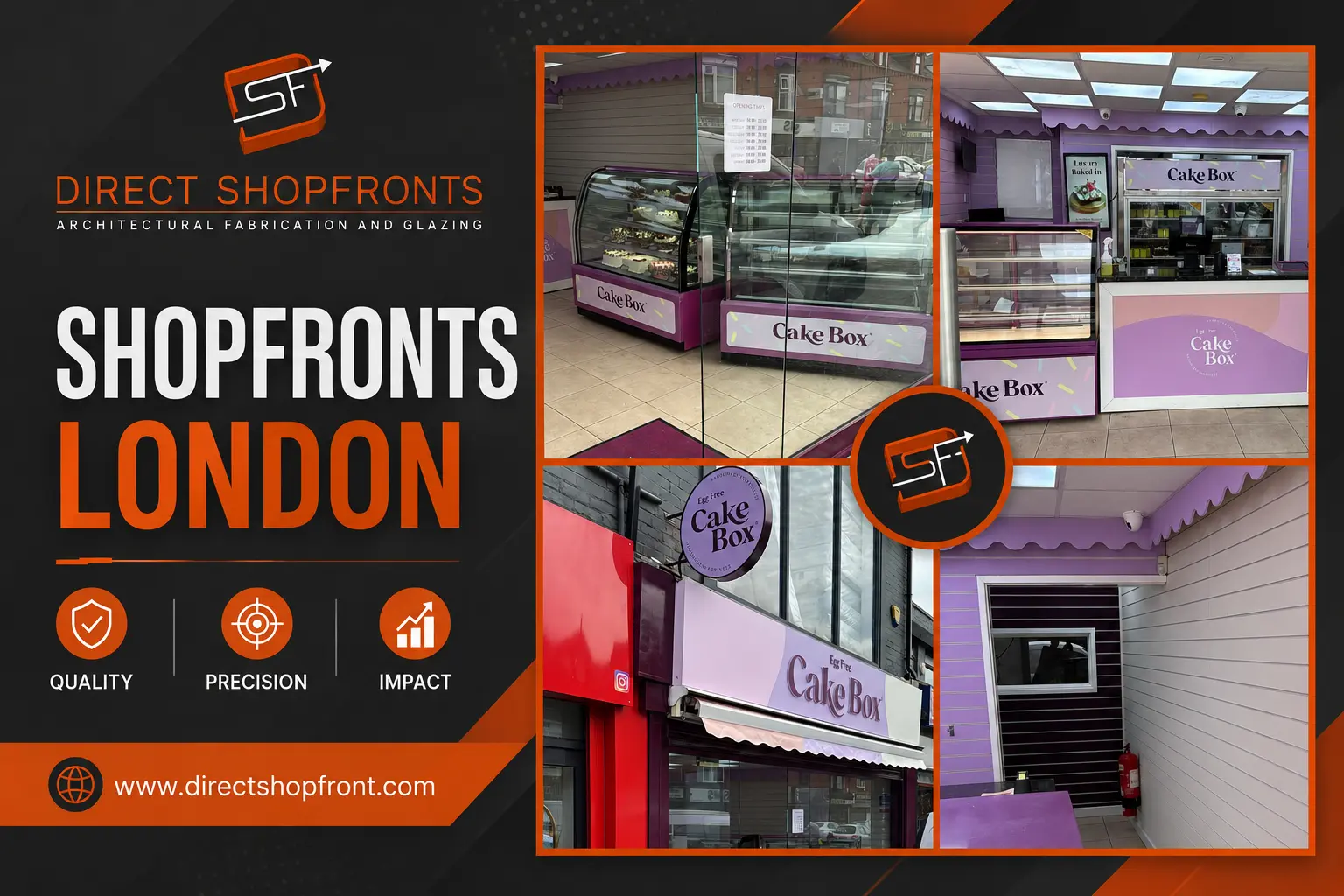
Shopfronts London Are the Driving Force Behind High Street Retail Success
A professionally designed retail frontage is much more than the exterior of a building—it is a strategic business asset that influences customer perception, strengthens brand identity, and supports long-term commercial growth. Shopfronts London help businesses establish a distinctive presence in crowded retail locations by combining attractive architecture, premium materials, advanced security features, and welcoming entrance systems. From increasing pedestrian engagement and improving accessibility to enhancing visual merchandising and reinforcing customer confidence, a modern storefront contributes directly to business performance. Retailers that invest in high-quality exterior solutions not only improve their property’s appearance but also create memorable first impressions that encourage repeat visits, build customer loyalty, and provide a sustainable competitive advantage on busy high streets.
First Impressions Shape Customer Decisions Within Seconds
Research consistently demonstrates that visual perception plays a significant role in purchasing behaviour. A retail exterior communicates quality, trustworthiness, and professionalism almost instantly. Rather than consciously analysing every design feature, visitors develop an emotional response based on what they see.
Important visual elements include:
- Clean architectural lines that create a premium appearance.
- High-quality glazing that provides visibility into the store.
- Well-maintained entrance systems that signal professionalism.
- Consistent branding across windows, doors, and signage.
- Balanced colour schemes that complement the business identity.
- Modern materials that communicate long-term investment.
- Well-positioned lighting that enhances visibility throughout the day.
A neglected exterior, on the other hand, can discourage potential customers regardless of how impressive the products may be inside.
Creating Strong Brand Recognition Through Exterior Design
Brand identity extends far beyond logos and advertisements. A retail frontage becomes a permanent advertisement that represents the personality of a business every hour of every day. Successful retailers ensure their external appearance reflects their brand values consistently across every design element.
Brand-building components include:
- Custom colour integration
- Bespoke architectural detailing
- Premium glazing solutions
- Coordinated signage placement
- Consistent typography
- Modern entrance systems
- Decorative framing
- Professional lighting installations
When these features work together, customers begin recognising the business from a distance before reading any signs. Over time, this familiarity strengthens customer loyalty and improves brand recall throughout busy shopping districts.
Increasing Footfall Through Better Street Visibility
Visibility is one of the strongest competitive advantages available to retailers. Busy commercial streets expose businesses to thousands of pedestrians every day, but attracting attention requires more than occupying a prime location. Stores that maximise visibility create greater opportunities for spontaneous visits.
Visibility improvements often include:
- Larger glazed panels
- Slim aluminium framing
- Minimal visual obstruction
- Transparent entrance systems
- Illuminated displays
- Wide door openings
- Attractive window merchandising
- Clear directional signage
These features allow pedestrians to see activity inside the premises, creating curiosity and encouraging entry. A welcoming retail environment naturally attracts more visitors than one hidden behind dark windows or outdated façades.
Supporting Visual Merchandising From the Outside
Window displays remain one of retail’s most effective marketing tools. A thoughtfully designed frontage provides the perfect framework for showcasing products, promotions, and seasonal campaigns. Instead of relying solely on printed advertising, retailers can use their storefront as a constantly changing display area.
Effective display strategies include:
- Seasonal product arrangements
- Lifestyle-inspired presentations
- Feature lighting
- Digital display integration
- Rotating promotional areas
- Minimalist layouts
- Interactive visual elements
- Carefully selected colour combinations
Customers who connect emotionally with a display are significantly more likely to enter the premises. This transforms the exterior into an active sales channel rather than a passive building façade.
Reflecting Professionalism Through Premium Materials
Material selection has a direct impact on customer confidence. Modern retail architecture increasingly favours durable materials that combine aesthetics with long-term performance. High-quality finishes communicate attention to detail and reinforce customer expectations regarding products and services offered inside.
Popular material choices include:
- Powder-coated aluminium
- Toughened safety glass
- Structural glazing
- Stainless steel detailing
- Composite entrance panels
- Thermally efficient framing
- Weather-resistant finishes
- Corrosion-resistant hardware
These materials maintain their appearance for years while requiring relatively low maintenance. Businesses benefit from both improved aesthetics and lower long-term operating costs.
Enhancing Security Without Compromising Appearance
Security has become a vital consideration for retailers operating in busy commercial areas. Modern protective solutions no longer require businesses to sacrifice aesthetics. Today’s security features are integrated seamlessly into contemporary architectural designs.
Modern security enhancements include:
- Internal security shutters
- Laminated safety glazing
- Multi-point locking systems
- Reinforced framing
- Automatic locking mechanisms
- Security-rated entrance doors
- Anti-vandal finishes
- Integrated surveillance compatibility
Customers often associate visible security investments with professionalism and business stability. At the same time, attractive protective systems preserve the welcoming appearance expected of modern retail environments.
Improving Accessibility for Every Customer
Inclusive design creates opportunities to serve a wider customer base. Modern entrance systems help businesses comply with accessibility expectations while creating a smoother shopping experience. Easy access encourages repeat visits from families, elderly shoppers, wheelchair users, and customers carrying pushchairs or heavy bags.
Accessibility improvements include:
- Automatic sliding doors
- Low-threshold entrances
- Wide access points
- Smooth flooring transitions
- Clear navigation signage
- Barrier-free entry systems
- Easy-to-operate handles
- Enhanced visibility through glazed doors
Improved accessibility benefits every visitor, not only those with specific mobility requirements. Businesses that prioritise convenience often develop stronger customer loyalty because visitors appreciate effortless access.
Supporting Energy Efficiency While Reducing Operating Costs
Modern commercial frontages contribute significantly to building performance. Advanced glazing technologies and insulated framing help regulate indoor temperatures throughout the year.
Energy-saving features include:
- Double-glazed glass panels
- Thermally broken aluminium frames
- Solar control glazing
- Low-emissivity glass
- Weather-resistant seals
- Energy-efficient entrance systems
- Draft reduction technology
- Improved insulation performance
Lower energy consumption translates into reduced utility bills while creating a more comfortable environment for customers and employees alike.
Encouraging Longer Customer Engagement
Attracting visitors is only the first step. Successful retailers understand that creating a comfortable and inviting environment encourages customers to stay longer, increasing the likelihood of purchases. The design of the exterior plays an important role in shaping expectations before customers even step inside.
A bright, open, and visually appealing entrance creates a sense of comfort and curiosity, making visitors feel more confident about exploring the store.
Elements that encourage longer visits include:
- Spacious glazed entrances that create an open feel
- Natural daylight flowing into the retail space
- Clear visibility of featured products from outside
- Comfortable transition from street to store
- Attractive entrance lighting during darker hours
- Well-organised display zones
- Consistent branding throughout the customer journey
- A welcoming atmosphere that reduces hesitation
When customers feel comfortable from the moment they approach a business, they are more likely to browse multiple sections, interact with staff, and make additional purchases.
Standing Out in Busy Retail Environments
High streets often feature dozens of businesses competing side by side. Similar products and services can make it difficult for customers to distinguish one retailer from another. A distinctive commercial façade helps create an individual identity that remains memorable long after a customer has left the area.
Differentiating design features include:
- Bespoke architectural styling
- Frameless glazing systems
- Contemporary aluminium profiles
- Creative lighting concepts
- Unique entrance configurations
- Premium finishes
- Elegant branding integration
- Sophisticated colour palettes
Rather than relying solely on promotional offers, businesses can compete by presenting themselves as modern, trustworthy, and premium destinations. This visual differentiation becomes increasingly valuable in areas with heavy pedestrian traffic where customers have numerous alternatives within a short walking distance.
Supporting Digital Marketing with an Attractive Physical Presence
Online marketing often introduces customers to a business before they visit in person. Whether someone discovers a retailer through social media, search engines, or online reviews, their expectations are shaped by the images they see. A professionally designed storefront ensures that the real-life experience matches the digital impression.
A visually appealing exterior supports:
- Social media photography
- Customer-generated content
- Online business listings
- Google Business Profile images
- Promotional videos
- Brand storytelling
- Digital advertising campaigns
- Local SEO visibility
Customers frequently photograph attractive retail exteriors and share them online, creating additional exposure without ongoing advertising costs. This organic promotion strengthens brand awareness and helps businesses reach wider audiences.
Reinforcing Customer Trust Through Consistency
Trust is developed through consistency. Every interaction with a business contributes to the customer’s overall perception, beginning with the exterior. An organised and professionally maintained frontage communicates that similar care is applied to products, services, and customer support.
Trust-building features include:
- Well-maintained glazing
- Clean entrance areas
- Uniform branding
- Quality craftsmanship
- Modern architectural detailing
- Consistent lighting
- Clearly displayed business information
- Professional signage
Customers naturally associate attention to detail with reliability. A polished exterior reduces uncertainty, making first-time visitors more confident in choosing that business over nearby competitors.
Adapting to Seasonal Promotions and Retail Campaigns
Retail environments change throughout the year, with seasonal promotions playing a major role in customer engagement. Modern storefront designs provide flexibility for regularly updated visual merchandising without requiring structural alterations.
Seasonal adaptations may include:
- Holiday-themed window displays
- Summer promotional graphics
- Festive lighting installations
- Product launch displays
- Sale campaign branding
- Interactive digital screens
- Temporary decorative features
- Event-specific promotional materials
Businesses that refresh their exterior throughout the year continue attracting attention from regular pedestrians who might otherwise overlook static displays. Dynamic storefronts encourage repeat visits by creating something new to discover during each season.
Improving Customer Flow Through Intelligent Entrance Design
The way customers enter and exit a retail space influences the overall shopping experience. Poorly planned entrances can create congestion, discourage accessibility, and reduce convenience during busy trading hours. Modern entrance systems improve movement while maintaining an elegant appearance.
Customer flow improvements include:
- Automatic sliding doors
- Bi-fold entrance systems
- Wide opening configurations
- Barrier-free thresholds
- Clearly defined entry points
- Efficient exit routes
- Durable flooring transitions
- Smart accessibility planning
Smooth customer movement contributes to higher satisfaction levels, particularly in busy shopping districts where convenience is highly valued.
Increasing Commercial Property Value
Investment in a high-quality retail exterior benefits more than day-to-day trading. Commercial property owners often experience increased asset value when buildings receive professional façade improvements. A visually appealing exterior attracts prospective tenants, investors, and business buyers while reducing vacancy periods.
Long-term property benefits include:
- Enhanced architectural appeal
- Improved building reputation
- Greater tenant demand
- Increased rental potential
- Reduced refurbishment requirements
- Better market positioning
- Stronger investment confidence
- Longer building lifespan
For business owners who own their premises, these improvements represent an investment that delivers value beyond immediate sales performance.
Demonstrating Environmental Responsibility
Sustainability has become a significant purchasing factor for many consumers. Businesses that incorporate environmentally responsible construction methods demonstrate commitment to long-term environmental goals while improving operational efficiency.
Modern commercial entrance systems increasingly include eco-conscious materials and technologies.
Sustainable features include:
- Recyclable aluminium framing
- Energy-efficient glazing
- Low-maintenance materials
- Reduced energy consumption
- Long product lifespan
- Sustainable manufacturing processes
- Improved insulation
- Responsible material sourcing
Customers increasingly appreciate businesses that invest in environmentally conscious improvements, strengthening both reputation and customer loyalty.
Tailoring Storefront Solutions for Different Business Sectors
Every industry has unique operational and branding requirements. A successful retail frontage reflects the specific needs of the business rather than following a one-size-fits-all approach. Different sectors benefit from customised design strategies that enhance functionality as well as visual appeal.
Retail fashion stores
- Elegant glazing for product visibility
- Contemporary entrance systems
- Premium branding integration
- Spacious display windows
Restaurants and cafés
- Open, welcoming entrances
- Weather-resistant finishes
- Outdoor dining visibility
- Attractive evening lighting
Beauty salons and spas
- Privacy glazing where required
- Sophisticated architectural detailing
- Luxury entrance design
- Calm and inviting colour schemes
Corporate offices
- Professional aluminium framing
- Secure access systems
- Minimalist aesthetics
- Strong brand presentation
Healthcare facilities
- Easy accessibility
- Automatic doors
- Bright, welcoming entrances
- Clear directional signage
By aligning exterior design with operational requirements, businesses create a more cohesive customer experience while improving day-to-day functionality.
Reducing Long-Term Maintenance Costs
A professionally installed commercial frontage is designed to withstand daily use and changing weather conditions with minimal upkeep. Choosing durable materials and expert craftsmanship helps reduce repair frequency and extends the lifespan of the installation.
Low-maintenance advantages include:
- Corrosion-resistant aluminium
- Scratch-resistant finishes
- Easy-to-clean glazing
- Weatherproof seals
- Durable locking mechanisms
- Fade-resistant coatings
- Long-lasting structural integrity
- Reduced repair requirements
Lower maintenance demands allow businesses to focus their resources on customer service, inventory, and future growth rather than ongoing building repairs.
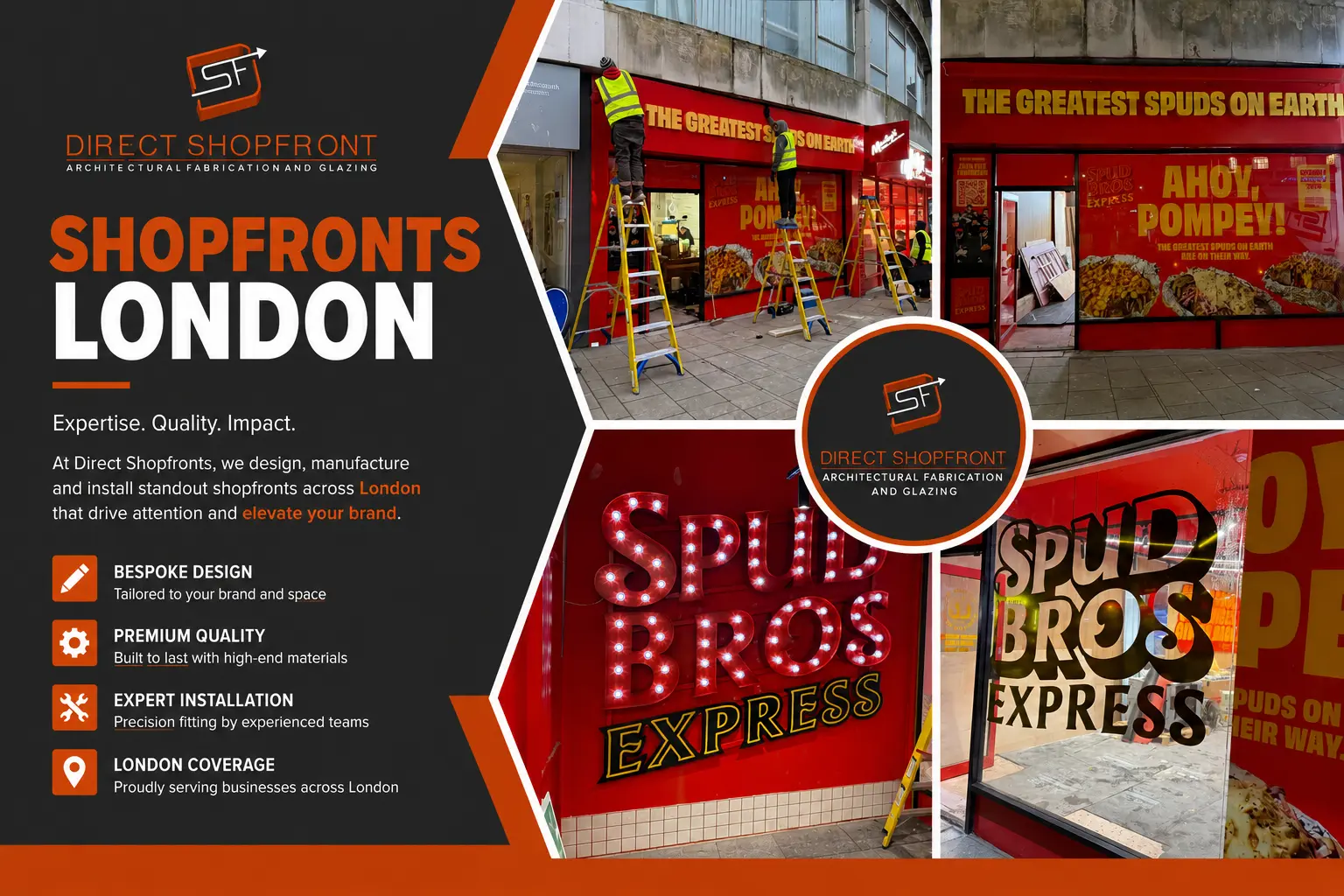
Embracing Future Trends in Retail Frontage Design
Retail architecture continues to evolve as customer expectations, technology, and sustainability influence commercial property improvements. Businesses that invest in future-ready exterior solutions position themselves to remain competitive for many years rather than requiring frequent renovations.
Modern commercial entrances are no longer viewed as static building elements. Instead, they are flexible assets that support marketing, security, accessibility, and customer engagement simultaneously.
Emerging trends shaping retail exteriors include:
- Smart entrance automation
- Interactive digital displays
- Integrated LED lighting systems
- Energy-efficient glazing innovations
- Minimalist architectural designs
- Sustainable construction materials
- Contactless access technology
- Adaptive display windows
These developments allow businesses to modernise their image while improving operational efficiency and customer convenience.
The Importance of Professional Design and Installation
Even the highest-quality materials cannot deliver their full benefits without proper planning and installation. Every component of a commercial entrance system must work together to ensure structural stability, security, thermal performance, and visual appeal.
Experienced specialists carefully assess multiple factors before beginning fabrication and installation.
Professional planning includes:
- Building measurements
- Structural assessments
- Material selection
- Compliance with local regulations
- Accessibility considerations
- Branding integration
- Security planning
- Long-term maintenance requirements
Professional installation also minimises disruptions to daily operations, allowing businesses to continue serving customers while improvements are completed efficiently.
Common Mistakes That Reduce Competitive Advantage
Many retailers invest in exterior improvements but fail to maximise their potential because of poor planning or inconsistent design choices.
Avoiding these common mistakes helps businesses achieve a greater return on investment.
Mistakes to avoid include:
- Choosing appearance over functionality
- Ignoring accessibility requirements
- Using low-quality materials
- Installing poor lighting
- Neglecting routine maintenance
- Creating cluttered window displays
- Inconsistent branding
- Delaying repairs to damaged glazing or entrance systems
Regular inspections and proactive maintenance ensure that the exterior continues to represent the business in the best possible way throughout the year.
Why Investing in a Premium Retail Exterior Delivers Long-Term Value
A well-designed commercial frontage is not simply a cosmetic improvement—it is a strategic business investment.
Unlike many forms of advertising that require continuous spending, a professionally designed exterior works every day by attracting attention, strengthening brand recognition, and encouraging customer visits.
Business growth benefits
- Increased pedestrian engagement
- Higher customer confidence
- Improved conversion opportunities
- Stronger local reputation
- Enhanced brand recognition
Financial benefits
- Better return on investment
- Reduced maintenance expenses
- Lower energy costs
- Increased commercial property value
- Longer product lifespan
Operational benefits
- Improved accessibility
- Better customer flow
- Enhanced security
- Greater durability
- Simplified maintenance
When these benefits combine, businesses create a stronger market position that supports sustainable growth even in highly competitive retail locations.
Conclusion
In today’s competitive retail environment, the appearance and functionality of a commercial exterior can significantly influence customer perception, brand recognition, and business performance. A thoughtfully designed frontage attracts attention, builds trust, improves accessibility, supports visual merchandising, enhances security, and contributes to greater operational efficiency. These advantages work together to create memorable customer experiences while strengthening long-term profitability and property value. Businesses that invest in Shopfronts London are making a strategic decision to differentiate themselves, maximise high street visibility, and establish a lasting competitive advantage in an increasingly demanding marketplace.
Frequently Asked Questions
1. How does a modern commercial frontage attract more customers?
A professionally designed exterior captures attention through attractive architecture, clear visibility, quality materials, and welcoming entrances. These features encourage pedestrians to enter and explore the business.
2. Which materials are best for long-lasting retail entrance systems?
Powder-coated aluminium, toughened safety glass, stainless steel hardware, and thermally efficient framing are among the most durable and low-maintenance materials available for commercial properties.
3. Can a new storefront improve energy efficiency?
Yes. Double glazing, insulated frames, weather-resistant seals, and energy-efficient glass help reduce heat loss, improve indoor comfort, and lower energy bills throughout the year.
4. Why is accessibility important for retail businesses?
Accessible entrances make it easier for all customers, including wheelchair users, elderly visitors, and families with pushchairs, to enter comfortably, improving customer satisfaction and encouraging repeat visits.
5. Can a professionally designed retail exterior increase property value?
Yes. High-quality exterior improvements enhance the building’s appearance, attract potential tenants or buyers, reduce maintenance requirements, and contribute to stronger long-term commercial value.