
Shopfronts London Are Essential for Building a Brand Identity
Build a memorable brand with premium Shopfronts London solutions. Enhance visibility, attract customers, and create a lasting first impression.
– Contact Us Today –
Every successful business in London competes for one thing before customers even step inside—attention. Whether located on a busy high street, a shopping parade, or a commercial district, a storefront is often the first interaction customers have with a brand. Within seconds, people decide whether a business appears trustworthy, premium, modern, or outdated simply by observing its exterior. For this reason, investing in a professionally designed shopfront is no longer just an architectural decision; it is a branding strategy.
As one of London’s trusted specialists in commercial frontage solutions, Direct Shopfront understands that every storefront should reflect the personality, values, and professionalism of the business behind it. A carefully designed exterior helps businesses establish credibility, improve visibility, and create memorable experiences that customers associate with quality.
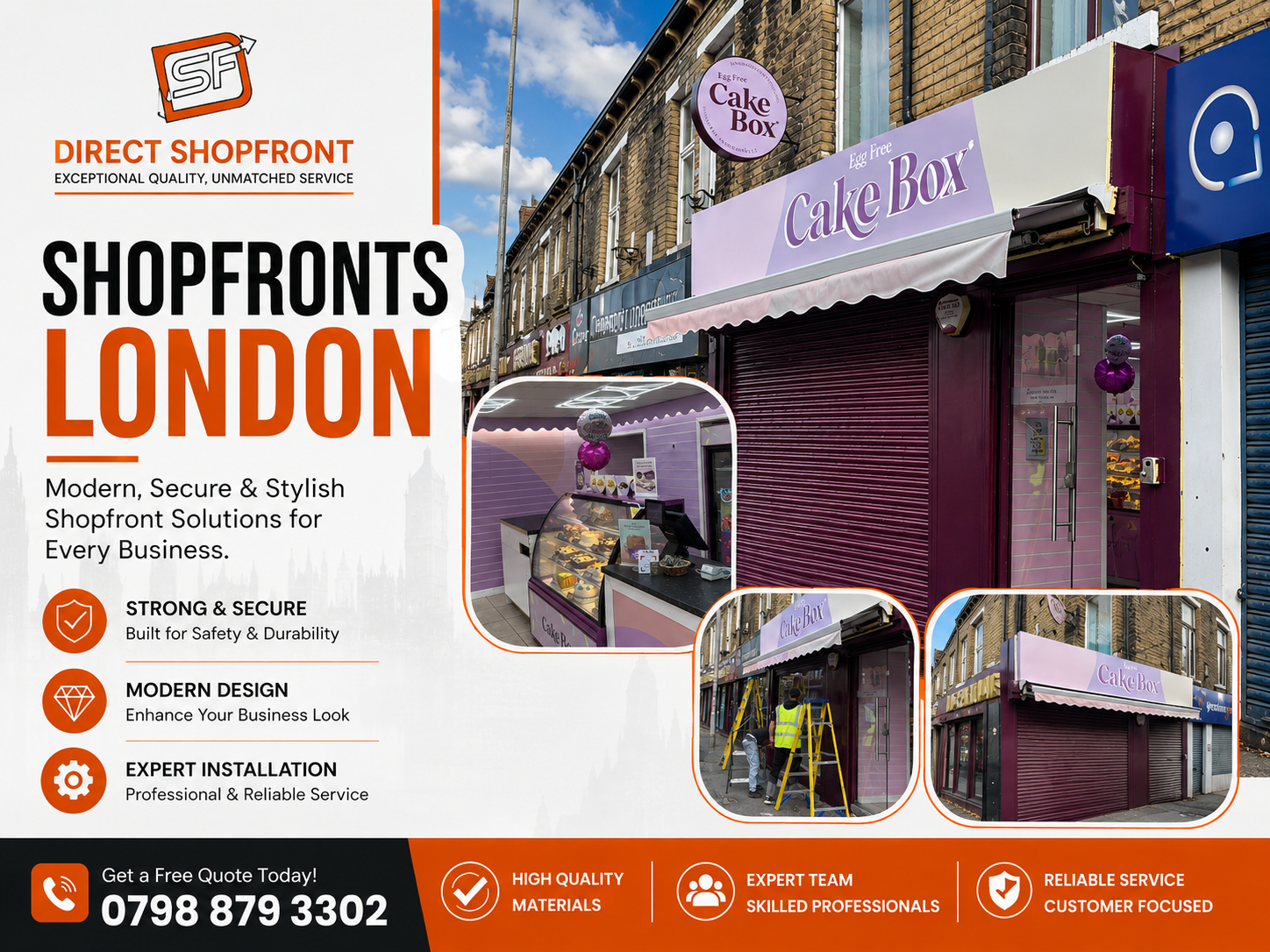
Shopfronts London: The Foundation of a Memorable Brand Identity
A strong brand identity begins long before customers interact with products or services. It starts with the visual impression created from the street. Shopfronts London play a vital role in shaping that first impression by transforming ordinary commercial premises into recognisable business landmarks.
Unlike traditional advertising campaigns that require continuous investment, a professionally designed storefront works around the clock. Every passer-by becomes a potential customer exposed to the company’s branding, colours, architectural style, and overall professionalism.
Professionalism Creates Immediate Trust
Consumers naturally judge businesses based on appearance. A clean, modern, and well-maintained exterior suggests attention to detail and commitment to quality.
When customers notice premium glazing, precision aluminium framing, attractive lighting, and professionally installed signage, they subconsciously associate these elements with reliable products and excellent service.
Conversely, worn-out entrances, faded branding, or damaged frames can reduce customer confidence before any interaction occurs.
Consistent Visual Branding Strengthens Recognition
Strong brands are recognised through consistency.
A storefront should reinforce the same visual identity customers encounter on websites, packaging, social media, and marketing materials.
Consistent use of:
- Corporate colours
- Typography
- Logo placement
- Architectural finishes
- Lighting design
- Display presentation
helps create familiarity. The more frequently customers encounter the same visual language, the easier it becomes for them to remember the business.
Over time, this consistency contributes significantly to long-term brand recognition.
Storefront Design Communicates Business Positioning
Different businesses serve different audiences, and their exterior should reflect that positioning.
Luxury boutiques often incorporate frameless glazing, premium finishes, minimalist signage, and sophisticated lighting.
Restaurants frequently use warm materials and inviting entrances to encourage customers inside.
Healthcare providers benefit from clean, professional façades that inspire confidence.
Technology retailers usually prefer sleek aluminium systems with contemporary aesthetics.
Each design decision influences how customers perceive the business before they even enter the premises.
Standing Out in London’s Competitive Streets
London’s commercial districts contain thousands of competing businesses located close together.
Customers walking along busy shopping streets are constantly exposed to competing colours, signage, promotional displays, and architectural styles.
Businesses with distinctive retail frontages naturally capture more attention.
Rather than relying on oversized advertisements, successful companies use thoughtful architectural design to differentiate themselves.
Unique entrance systems, elegant glazing, creative lighting, and premium finishes encourage pedestrians to stop, look, and eventually enter.
Aluminium Systems Support Modern Branding
Many businesses now choose aluminium frontage systems because they combine aesthetics with functionality.
Slim frames maximise visibility while maintaining structural strength.
Their contemporary appearance complements both traditional and modern buildings, making them suitable for retailers, restaurants, salons, offices, pharmacies, and hospitality venues.
Aluminium also supports powder-coated finishes in virtually any corporate colour, allowing businesses to align their physical premises with existing brand guidelines.
Glass Frontages Increase Transparency
Transparency has become an important part of modern branding.
Extensive glazing allows customers to view products, interiors, and activity before entering.
This openness reduces uncertainty and creates a welcoming atmosphere.
Retailers particularly benefit because attractive product displays become visible twenty-four hours a day, effectively transforming windows into permanent marketing assets.
Businesses offering premium services also benefit from natural light, which creates brighter interiors and enhances customer comfort.
Signage and Architectural Integration
Brand identity is far more than simply displaying a logo.
Professional signage should integrate seamlessly with the overall architecture rather than appearing as an afterthought.
Effective combinations include:
- Illuminated lettering
- Halo lighting
- Built-up acrylic signs
- Metal fabricated logos
- Integrated LED systems
- Architectural cladding
When these elements work together, they create a cohesive visual experience that reinforces the company’s identity.
Customer Psychology Begins Outside
Research consistently shows that purchasing decisions begin before customers interact with employees.
Exterior appearance influences perceptions of:
- Product quality
- Service standards
- Business reliability
- Pricing expectations
- Professional expertise
A premium frontage encourages customers to expect premium experiences.
Likewise, neglected exteriors often create doubts that negatively affect purchasing behaviour.
This psychological influence explains why successful retailers continually invest in maintaining attractive commercial entrances.
Supporting Long-Term Brand Growth
Unlike seasonal marketing campaigns, a professionally installed commercial frontage continues supporting business growth for years.
High-quality materials require minimal maintenance while preserving their appearance despite London’s changing weather conditions.
This long-term durability ensures the brand continues projecting professionalism without frequent refurbishment costs.
As businesses expand, a consistent frontage style can also be replicated across multiple locations, strengthening brand recognition throughout London.
Improving Customer Experience Before Entry
Customer experience begins before anyone opens the door.
Clear visibility, accessible entrances, automatic door systems, welcoming lighting, and organised displays all contribute to a positive experience.
When customers feel comfortable approaching a business, they are more likely to enter confidently and spend more time exploring products or services.
Modern entrance systems therefore contribute to both customer satisfaction and commercial performance.
Reflecting Business Values
Today’s consumers increasingly choose businesses that align with their personal values.
A professionally designed exterior can communicate innovation, sustainability, quality, transparency, and reliability.
Businesses using energy-efficient glazing, recyclable aluminium systems, and environmentally responsible materials demonstrate commitment to sustainable practices.
These subtle visual cues strengthen brand reputation among environmentally conscious customers while supporting corporate responsibility initiatives.
Industry-Specific Branding Strategies Through Commercial Frontages
Every industry has unique branding requirements, and the exterior should be tailored to communicate the right message to its target audience. A one-size-fits-all approach rarely delivers the desired impact in London’s diverse commercial landscape.
Retail Stores
Fashion retailers, jewellery shops, and lifestyle brands depend heavily on visual appeal. Large display windows, minimalist framing, premium finishes, and carefully planned lighting allow products to become the focal point. Seasonal displays can also be updated regularly, keeping the storefront fresh and encouraging repeat visits from passing customers.
Restaurants and Cafés
Food businesses thrive on atmosphere. Warm lighting, inviting entrances, attractive glazing, and coordinated exterior finishes help create an emotional connection before customers even step inside. An appealing façade also encourages spontaneous walk-ins, particularly in busy commercial areas.
Corporate Offices
Office entrances communicate professionalism and stability. Clean architectural lines, subtle branding, elegant glass systems, and premium materials create confidence among clients, investors, and business partners. A well-presented business entrance reinforces the company’s reputation long before meetings begin.
Healthcare and Professional Services
Medical centres, dental clinics, law firms, and financial institutions benefit from clean, organised exteriors that project trust and reliability. Neutral colours, clear signage, accessibility features, and uncluttered designs reassure visitors that they are entering a professional environment.
The Role of Lighting in Brand Recognition
Lighting is often overlooked during storefront planning, yet it significantly influences visibility and customer perception.
Creating a Consistent Brand Presence
Exterior lighting ensures that the business remains visible during evenings and throughout the winter months. Illuminated signage, architectural lighting, and window displays maintain a strong brand presence even after daylight hours.
Highlighting Key Design Features
Strategically positioned lighting draws attention to architectural elements, premium materials, display windows, and branding features without overwhelming the overall design.
Enhancing Customer Safety
Well-lit entrances make customers feel more comfortable approaching a business after dark. Improved visibility also contributes to a welcoming atmosphere while supporting overall security.
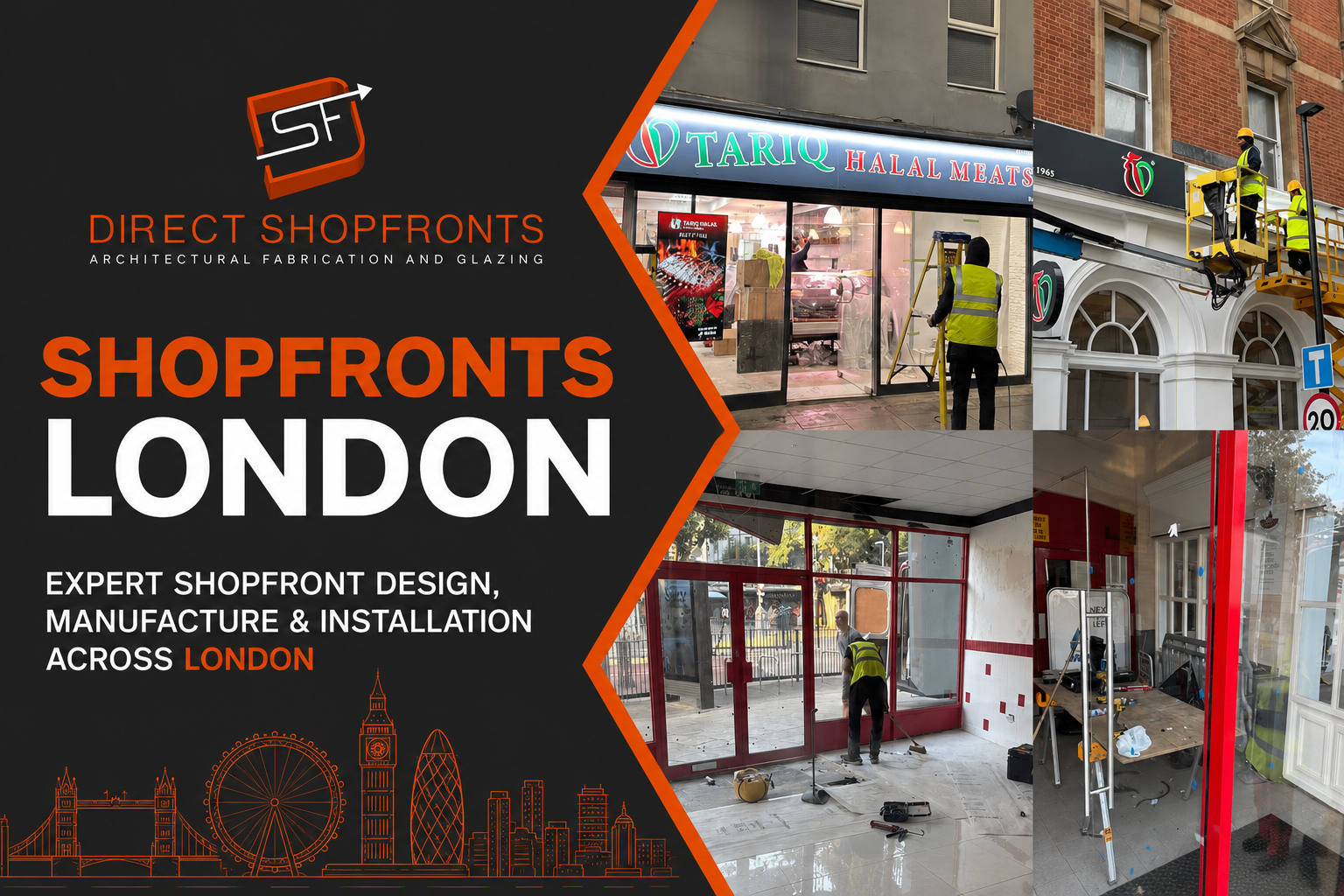
Signage That Reinforces Brand Identity
Signage should work together with the building rather than competing against it. Every design element should contribute to a unified visual identity.
Choosing the Right Materials
Premium materials such as fabricated aluminium lettering, stainless steel signs, acrylic panels, and illuminated logos communicate quality and durability. These materials retain their appearance over time while complementing modern commercial architecture.
Maintaining Visual Consistency
Colours, fonts, proportions, and logo placement should remain consistent across all branding channels. Customers should instantly recognise the same visual identity whether they encounter the business online or on the high street.
Ensuring Readability
An attractive sign must also be easy to read. Appropriate letter sizing, spacing, contrast, and illumination improve visibility from different viewing distances and angles.
Security Features That Protect Without Compromising Appearance
Modern businesses require robust security solutions, but visible protection should never undermine brand image.
Integrated Security Shutters
Contemporary roller shutters can be integrated into the overall façade design, remaining almost invisible during trading hours while providing effective protection after closing.
Toughened and Laminated Glass
Advanced glazing solutions provide increased resistance against accidental impact and attempted break-ins without sacrificing transparency or aesthetics.
Access Control Systems
Automatic entrance systems, smart locking technologies, and controlled access points improve operational efficiency while contributing to a professional customer experience.
How Exterior Design Supports Customer Retention
Brand identity is not only about attracting new customers; it also plays a significant role in encouraging repeat business.
Creating Familiarity
Customers naturally feel more comfortable returning to businesses they recognise. Consistent exterior branding strengthens familiarity and reinforces positive experiences from previous visits.
Building Emotional Connections
An attractive commercial frontage creates positive emotional associations. Customers often remember how a place made them feel before recalling specific products or services.
Supporting Word-of-Mouth Marketing
Businesses with visually impressive exteriors frequently become conversation starters. Customers are more likely to recommend attractive locations to friends, family, and colleagues, extending brand reach beyond traditional advertising.
Common Branding Mistakes Businesses Should Avoid
Many businesses invest heavily in interior improvements while overlooking the importance of their exterior presentation.
Inconsistent Branding
Using different colours, fonts, or design styles across signage, marketing materials, and the physical premises weakens brand recognition and creates confusion.
Poor Maintenance
Even the best-designed façade can lose its impact if damaged, faded, or poorly maintained. Regular inspections and timely repairs preserve both appearance and customer confidence.
Overcrowded Visual Elements
Excessive promotional posters, multiple signs, or cluttered window displays distract from the overall message and reduce visual appeal.
Ignoring Accessibility
Accessible entrances benefit all customers while demonstrating inclusivity and professionalism. Features such as automatic doors, level thresholds, and clear access routes enhance usability for everyone.
Why Choosing the Right Installation Partner Matters
The success of a commercial frontage depends not only on its design but also on the quality of its installation.
Bespoke Design Solutions
Every business has unique branding goals, architectural constraints, and operational requirements. A tailored approach ensures that the finished project reflects the company’s identity while meeting practical needs.
High-Quality Craftsmanship
Precision manufacturing and expert installation contribute to long-term durability, structural integrity, and a premium finish. Attention to detail during installation also minimises maintenance issues in the future.
Compliance With Industry Standards
Commercial entrance systems must comply with relevant building regulations, safety requirements, and accessibility standards. Working with experienced professionals ensures every installation meets these expectations without compromising design quality.
Long-Term Value
Investing in quality materials and expert workmanship reduces lifecycle costs by improving durability, minimising repairs, and maintaining an attractive appearance for years to come.
Why Businesses Choose Direct Shopfront
A commercial frontage represents one of the most visible investments a business can make, making it essential to work with specialists who understand both construction and branding.
Direct Shopfront delivers bespoke solutions that combine functionality, aesthetics, and long-term performance. Every project is designed to reflect the client’s unique identity while enhancing visibility, customer experience, and operational efficiency.
From modern aluminium systems and elegant glazed façades to integrated entrance solutions and customised branding elements, the company focuses on creating commercial exteriors that support lasting business growth. Attention to craftsmanship, premium materials, and compliance with industry standards ensures every installation performs as well as it looks.
Businesses across London rely on Direct Shopfront to transform ordinary premises into visually distinctive destinations that strengthen market presence and reinforce customer trust.
Conclusion
A well-designed commercial frontage is far more than an attractive exterior—it is a powerful branding asset that influences customer perception, builds trust, and creates lasting recognition. From architectural design and premium materials to lighting, signage, and security integration, every element contributes to the story a business tells before a customer walks through the door.
Companies that invest in a professionally designed exterior position themselves for stronger visibility, increased customer engagement, and sustainable long-term growth in London’s highly competitive commercial environment. By partnering with experienced specialists like Direct Shopfront, businesses can create storefronts that not only protect their premises but also strengthen their brand identity, enhance customer confidence, and leave a memorable impression that supports continued success.
Frequently Asked Questions
1. Why is a shopfront important for building a brand identity?
A shopfront is often the first thing customers notice. A well-designed storefront reflects your brand’s personality, creates a strong first impression, and helps your business stand out from competitors.
2. How can a modern shopfront attract more customers?
A modern shopfront with appealing designs, quality materials, and clear branding captures attention, increases foot traffic, and encourages potential customers to enter your store.
3. What materials are commonly used for commercial shopfronts?
Popular materials include aluminium, toughened glass, steel, timber, and composite panels. Each material offers different benefits in terms of durability, appearance, and maintenance.
4. Can a custom shopfront improve customer trust?
Yes. A professionally designed and well-maintained shopfront creates a sense of credibility and professionalism, making customers feel more confident about your business.
5. How does shopfront design influence brand recognition?
Consistent use of colours, logos, signage, and architectural design helps customers easily recognize your business and strengthens long-term brand recall.