
What to Consider Before Installing Shopfronts Rayleigh
– Contact Us Today –
Choosing the right commercial frontage is one of the most important decisions for any business owner. A well-designed entrance influences customer perception, strengthens branding, improves security, and contributes to long-term operational efficiency. Whether you are opening a new retail store, renovating an existing premises, or upgrading an outdated entrance, careful planning helps avoid unnecessary costs and future maintenance issues.
Shopfronts Rayleigh should never be selected based solely on appearance; every component should complement your business goals, comply with local regulations, and withstand daily commercial use. Direct Shopfronts delivers bespoke solutions that combine modern design, durability, and functionality for businesses seeking long-lasting value.
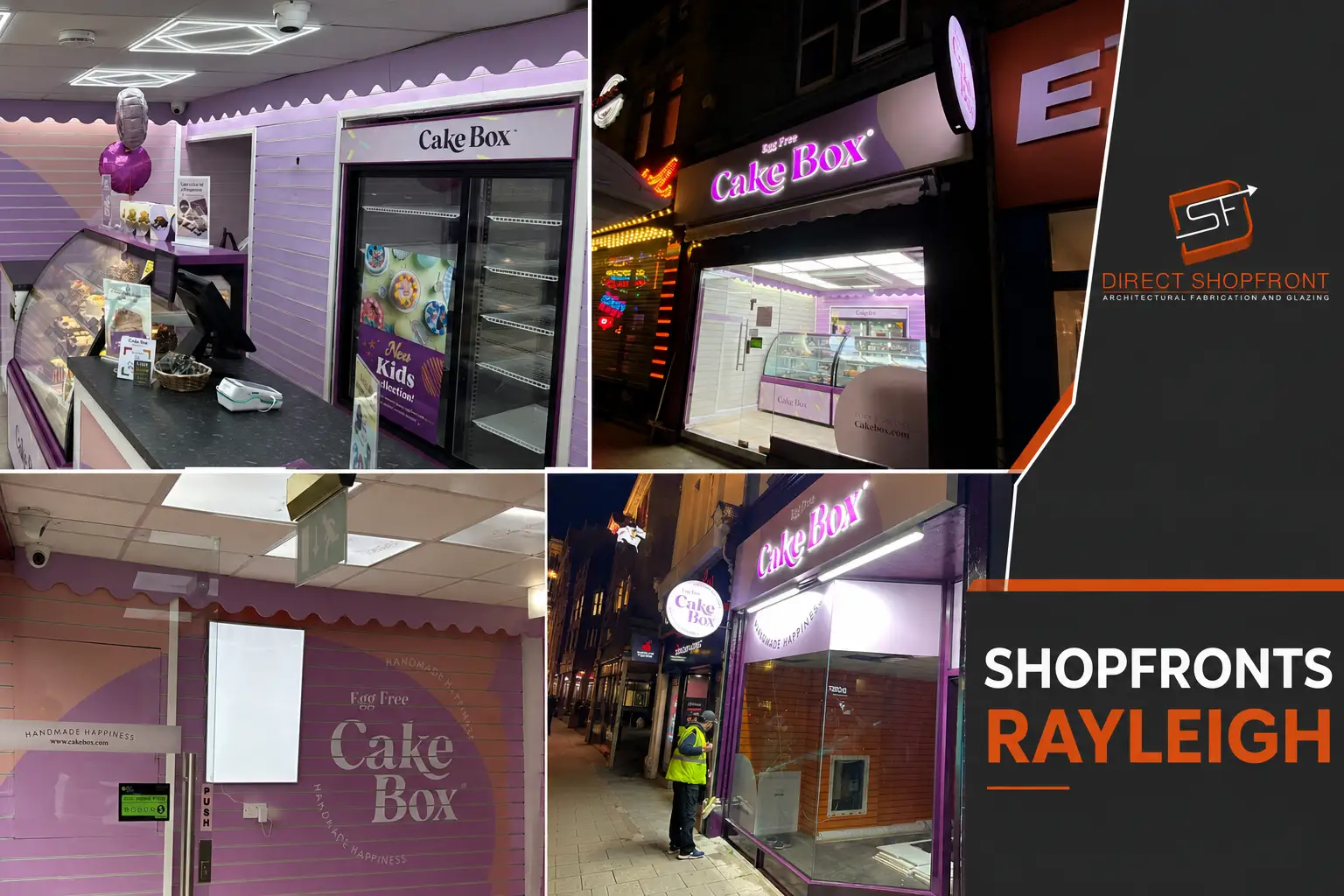
Essential Planning Factors That Ensure Long-Term Performance of Shopfronts Rayleigh
A successful commercial frontage is the result of thoughtful planning rather than quick decision-making. Before installation begins, every aspect—from structural compatibility and material selection to branding, energy efficiency, customer accessibility, and future maintenance—should be carefully assessed. Investing time in planning helps businesses avoid expensive modifications while ensuring the finished frontage complements the property’s architecture and supports daily operations. Direct Shopfronts works closely with clients to develop bespoke commercial entrance solutions that combine durability, modern aesthetics, enhanced security, and practical functionality. By considering both immediate business needs and long-term objectives, companies can create an entrance that not only attracts customers but also delivers reliable performance, lower maintenance costs, improved thermal efficiency, and a professional appearance for many years.
Understanding Your Business Requirements
Every commercial property serves a different purpose, which means the ideal frontage design varies from one business to another.
Consider the nature of your business
- Retail stores often require maximum product visibility.
- Restaurants may benefit from larger glazed areas.
- Offices usually prefer a professional and understated appearance.
- Beauty salons frequently choose elegant modern finishes.
- Healthcare premises require welcoming and accessible entrances.
Think about customer expectations
- Easy visibility from the street.
- Comfortable access for all visitors.
- Professional appearance.
- Safe entry and exit.
- Convenient operating hours supported by suitable entrance systems.
Choosing a design that reflects your industry helps establish credibility before customers even step inside.
Selecting the Right Shopfront Material
Material selection has a significant impact on appearance, maintenance, longevity, and security.
Aluminium Systems
Aluminium remains one of the most popular commercial frontage materials because it offers:
- Excellent corrosion resistance
- Lightweight construction
- Modern appearance
- Long lifespan
- Low maintenance requirements
- Wide colour options
It suits both contemporary retail units and professional commercial buildings.
Toughened Glass
Large glazed panels create an open and inviting environment.
Benefits include:
- Increased natural light
- Improved product visibility
- Premium appearance
- Easy cleaning
- Strong impact resistance
Modern toughened safety glass offers both durability and elegant aesthetics.
Steel Components
Businesses requiring additional protection often integrate steel elements.
Advantages include:
- Exceptional strength
- Enhanced security
- Greater structural support
- Long service life
Steel is commonly used where maximum protection is required.
Prioritising Security Without Sacrificing Appearance
Security should always form part of the design process rather than becoming an afterthought.
Security features worth considering
- Laminated safety glazing
- Multi-point locking systems
- Internal reinforcement
- Security-rated entrance doors
- Anti-lift hinges
- Roller shutter compatibility
- Smart access systems
An attractive frontage can still provide excellent protection against forced entry.
Creating a Strong Visual Identity
Your storefront acts as a physical extension of your brand.
Branding opportunities include
- Corporate colour integration
- Bespoke signage
- Illuminated lettering
- Frosted graphics
- Window manifestations
- Logo positioning
- Premium entrance hardware
Consistency between branding and architectural design helps customers instantly recognise your business.
Choosing the Best Entrance Configuration
The entrance should complement both customer flow and available space.
Common entrance options
- Single commercial doors
- Double entrance systems
- Automatic sliding doors
- Frameless glass entrances
- Swing doors
- Bi-fold commercial doors
Each solution offers different advantages depending on customer traffic and building layout.
Considering Accessibility Requirements
A welcoming commercial entrance should be usable by everyone.
Accessibility features
- Level thresholds
- Automatic doors
- Wide entrance openings
- Easy-to-use handles
- Clear visibility markings
- Wheelchair-friendly access
- Safe flooring transitions
Accessible design benefits all visitors while helping businesses comply with current building standards.
Energy Efficiency Matters More Than Ever
Modern commercial glazing contributes significantly to energy performance.
Energy-saving improvements
- Thermally broken aluminium frames
- Double glazing
- Solar control glass
- Weather-resistant seals
- Reduced air leakage
- Improved insulation
Lower heating and cooling costs often offset the initial investment over time.
Planning for Long-Term Maintenance
Low-maintenance materials reduce ownership costs.
Maintenance considerations
- Cleaning frequency
- Frame durability
- Glass coatings
- Weather resistance
- Replacement part availability
- Finish longevity
Choosing quality systems from the beginning minimises future disruption.
Weather Resistance for UK Commercial Properties
Commercial entrances experience constant exposure to changing weather conditions.
Important weather-resistant features
- Water drainage channels
- Wind-resistant framing
- UV-resistant finishes
- Corrosion protection
- High-quality seals
- Durable powder coating
Reliable construction protects both the building and customers throughout the year.
Balancing Modern Design with Local Character
Contemporary architecture should still complement surrounding buildings.
Design considerations
- Existing neighbouring properties
- Local architectural style
- Business branding
- Street visibility
- Natural lighting
- Material harmony
A balanced design improves both visual appeal and community integration.
Importance of Professional Installation
Even premium products perform poorly if incorrectly installed.
Benefits of experienced installers
- Accurate measurements
- Precise fitting
- Proper sealing
- Structural compliance
- Safe glazing installation
- Reliable finishing
Professional workmanship ensures optimal performance for years.
Understanding Local Planning Considerations
Commercial improvements may require compliance with local authority requirements.
Before installation, review
- Planning permissions
- Conservation area restrictions
- Building regulations
- Fire safety requirements
- Accessibility obligations
- Signage approvals
Early planning helps prevent unnecessary project delays.
Integrating Modern Technology
Commercial entrances increasingly incorporate smart technology.
Popular upgrades
- Automatic door operators
- Digital access control
- Smart locking systems
- Security monitoring integration
- Motion sensors
- Energy management systems
Technology improves convenience while enhancing building security.
Budget Beyond Initial Installation Costs
Looking only at installation cost can be misleading.
Total ownership costs include
- Maintenance
- Repairs
- Cleaning
- Energy efficiency
- Replacement components
- Operational lifespan
Higher-quality systems often provide better long-term value than cheaper alternatives.
Future-Proofing Your Commercial Property
Business requirements often change over time.
Flexible design considerations
- Expandable entrance systems
- Replaceable glazing panels
- Modular framing
- Signage adaptability
- Technology upgrades
- Easy maintenance access
Future-ready designs reduce renovation costs later.
Sustainability in Commercial Frontage Design
Environmentally responsible construction has become increasingly important.
Sustainable features
- Recyclable aluminium
- Energy-efficient glazing
- Long-lasting materials
- Reduced maintenance waste
- Environmentally friendly finishes
- Improved building efficiency
Sustainable investments benefit businesses and the environment alike.
Why Quality Manufacturing Makes a Difference
The manufacturing process directly affects durability.
Signs of quality production
- Precision fabrication
- High-grade materials
- Certified glazing
- Premium hardware
- Consistent powder coating
- Rigorous quality control
Well-manufactured systems maintain their appearance for many years.
Working with Experienced Specialists
Choosing an experienced supplier simplifies the entire project.
A professional team provides
- Site surveys
- Design consultation
- Material recommendations
- Bespoke manufacturing
- Professional installation
- Aftercare support
Working with specialists reduces risk and improves project outcomes.
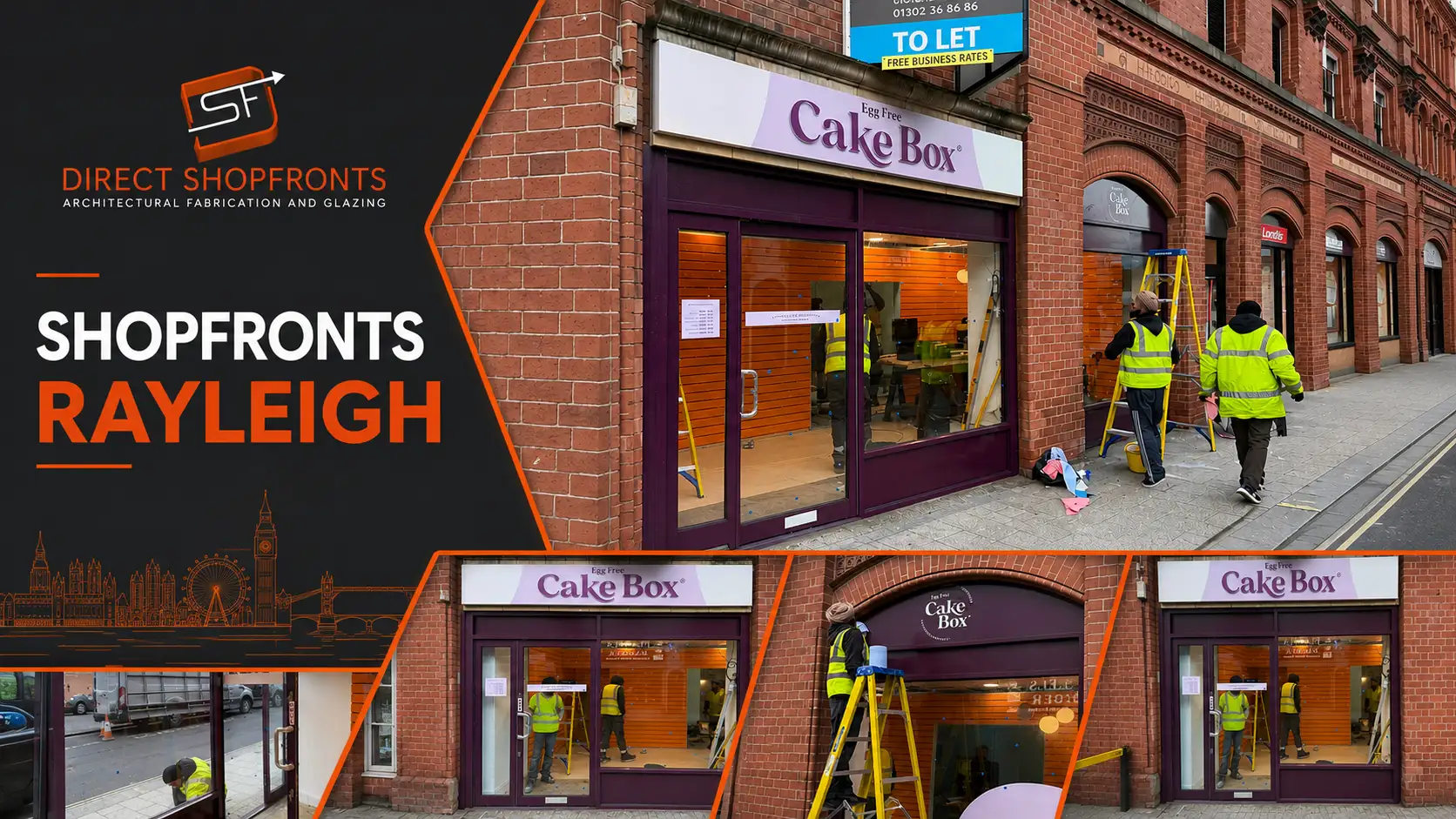
Considering Customer Flow During Peak Trading Hours
Efficient customer movement improves both safety and the overall shopping experience. The layout of the entrance should prevent congestion while allowing customers to enter and exit comfortably, particularly during busy periods.
Key customer flow considerations
- Assess expected daily foot traffic.
- Choose door widths suitable for peak hours.
- Avoid entrance obstructions caused by displays.
- Maintain clear pathways for deliveries and customers.
- Ensure emergency exits remain accessible.
- Incorporate automatic doors where appropriate for convenience.
Evaluating Lighting and Visibility
Lighting plays a major role in making a commercial premises inviting while highlighting products and branding. Both natural and artificial lighting should work together to create a welcoming atmosphere.
Factors to evaluate
- Maximise daylight through large glazed sections.
- Install energy-efficient LED lighting.
- Illuminate signage for evening visibility.
- Reduce glare with suitable glass coatings.
- Highlight window displays effectively.
- Ensure entrances remain visible during poor weather.
Selecting the Right Finish and Colour
The finish applied to commercial frames contributes to durability as well as visual appeal. Colours should complement your branding while resisting wear caused by weather and daily use.
Finish selection tips
- Choose powder-coated finishes for durability.
- Match colours with existing branding.
- Consider neutral tones for timeless appeal.
- Select UV-resistant coatings to minimise fading.
- Opt for scratch-resistant finishes in high-traffic areas.
- Coordinate hardware finishes for a premium look.
Planning Window Display Opportunities
A well-designed frontage should allow businesses to showcase products or services effectively while encouraging passers-by to enter the premises.
Display planning ideas
- Allocate sufficient uninterrupted glazing.
- Avoid oversized framing that blocks visibility.
- Create flexible display zones for seasonal promotions.
- Install lighting that enhances featured products.
- Maintain clean sightlines from the pavement.
- Design displays that reflect your brand identity.
Reviewing Fire Safety and Emergency Access
Commercial entrances should support both everyday operations and emergency situations. Fire safety planning should be integrated into the design from the beginning.
Fire safety considerations
- Install fire-rated glazing where required.
- Ensure emergency exit routes remain unobstructed.
- Use compliant panic hardware on designated exits.
- Select materials that meet relevant fire standards.
- Clearly mark emergency escape routes.
- Schedule regular inspections of safety equipment.
Ensuring Compatibility with Future Business Expansion
Business growth often brings changes to layouts, branding, and customer demands. A flexible frontage design makes future upgrades simpler and more cost-effective.
Future-ready design features
- Modular framing systems.
- Easy replacement of glass panels.
- Adaptable signage areas.
- Provision for additional security equipment.
- Space for future automation upgrades.
- Materials designed for long-term performance.
Inspecting Warranty and Aftercare Services
A comprehensive warranty and reliable aftercare support provide confidence that your investment will remain protected long after installation has been completed.
What to look for
- Manufacturer-backed product warranties.
- Installation workmanship guarantees.
- Scheduled maintenance options.
- Fast response for repairs.
- Availability of replacement parts.
- Ongoing technical support and inspections.
Final Thoughts
Installing a commercial frontage is a long-term investment that influences branding, customer experience, operational efficiency, and property value. From selecting durable materials and energy-efficient glazing to ensuring accessibility, security, compliance, and professional installation, every detail contributes to overall success. Careful planning today helps prevent costly modifications tomorrow while creating an entrance that reflects the quality of your business. By choosing Shopfronts Rayleigh from Direct Shopfronts, businesses gain a bespoke solution that combines expert craftsmanship, modern design, lasting durability, and dependable performance for years to come.
Frequently Asked Questions
1. What is the best material for a commercial shopfront?
Aluminium is one of the most popular choices because it is durable, corrosion-resistant, lightweight, and requires minimal maintenance. It also offers excellent design flexibility for modern commercial properties.
2. How often should a commercial shopfront be maintained?
Routine inspections and cleaning should be carried out regularly, while hardware, seals, locks, and glazing should be professionally checked at least once a year to ensure optimal performance and longevity.
3. Can a shopfront improve energy efficiency?
Yes. Modern double glazing, thermally broken aluminium frames, and high-quality weather seals help reduce heat loss, improve insulation, and lower energy bills throughout the year.
4. Do I need planning permission before installing a new shopfront?
Some projects may require planning permission, particularly if the property is located in a conservation area or involves significant structural alterations. It is always advisable to check local planning requirements before starting work.
5. How can I improve the security of my commercial entrance?
Security can be enhanced with toughened or laminated safety glass, multi-point locking systems, reinforced frames, security shutters, access control systems, and high-quality commercial doors.