Author name: 3ebce

Shutter-Repair-Service-in-London
Shutter Repair Service

Do you provide a warranty on your repair services?

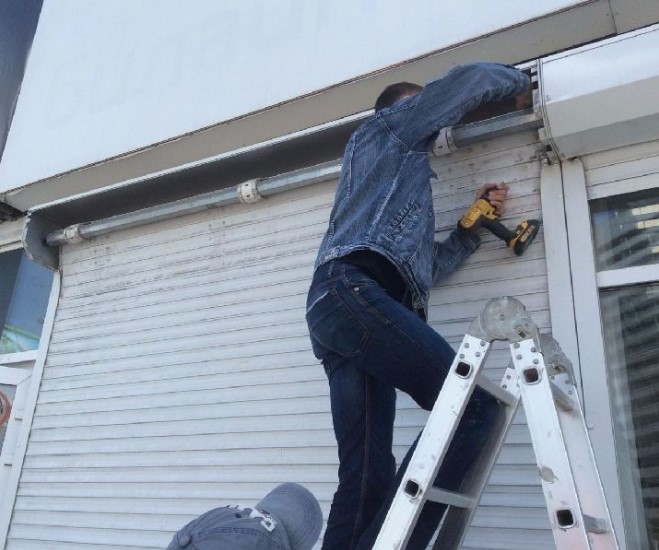
When it comes to maintaining the security and functionality of your property, ensuring that your shutters are in top condition is crucial. At our company, we understand the importance of peace of mind when it comes to Shutter Repair Service in London, which is why we proudly offer a comprehensive warranty on all our repair services. Why a Warranty Matters A warranty on shutter repair services signifies our commitment to quality and customer satisfaction. When you invest in our repair services, you can be confident that our work is backed by a guarantee. This means that if any issues arise related to the repair work within the warranty period, we will address them promptly at no additional cost to you. Comprehensive Coverage Our warranty covers a wide range of potential issues that might occur post-repair. Whether it’s a malfunction in the mechanism, material defects, or any other problem stemming from our service, you can rest assured that we will take care of it. Our goal is to provide you with durable solutions, and our warranty is a testament to the confidence we have in our expertise and the materials we use. Skilled Technicians and Quality Materials The foundation of our warranty lies in the expertise of our technicians and the quality of materials we use. Our team consists of highly trained and certified professionals who bring years of experience to every job. They are adept at diagnosing problems accurately and implementing effective solutions that last. Moreover, we source our materials from reputable suppliers, ensuring that every component used in your shutter repair meets the highest standards. Customer-Centric Approach We believe that a warranty is not just a policy but a promise to our customers. Our customer-centric approach ensures that you receive not only top-notch repair services but also exceptional aftercare. Should any issue arise within the warranty period, our responsive customer service team is always ready to assist you. We aim to resolve any concerns quickly, minimizing any inconvenience to you. Long-Term Benefits Opting for a repair service that offers a warranty is a wise investment in the long-term health of your shutters. It not only ensures immediate peace of mind but also extends the lifespan of your shutters, saving you from potential future costs. Regular maintenance combined with our reliable repair services can keep your Shutter Repair Service in London functioning optimally for years to come. Our comprehensive warranty on shutter repair services underscores our dedication to quality and customer satisfaction. By choosing our services, you are not only getting expert repairs but also a guarantee of lasting performance. Trust us to keep your shutters in excellent condition, backed by a warranty that speaks to our commitment to excellence.

Man Installing Shopfront
Shopfront

Typical Installation Process And Timeline For A Commercial Shopfront

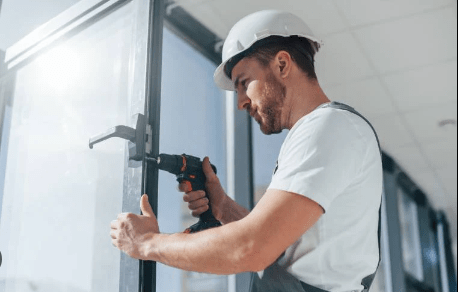
Installing a Commercial Shopfront is a significant investment that involves several steps, from initial planning to final inspection. Understanding the typical installation process and timeline can help business owners prepare for the project and ensure a smooth transition. Here, we’ll outline the key stages of the installation process and provide an estimated timeline for each phase. Installation Process 1. Initial Consultation and Planning Timeframe: 1-2 Weeks The process begins with an initial consultation between the business owner and the shopfront installation company. During this phase, the business owner’s needs and preferences are discussed, including design, materials, security features, and budget. The company may conduct a site visit to take measurements and assess the installation area. Key Activities: 2. Design and Approval Timeframe: 2-4 Weeks Based on the initial consultation, the installation company will create detailed design plans for the shopfront. These plans will include technical drawings, material specifications, and a final cost estimate. The business owner reviews and approves the design, making any necessary revisions. Key Activities: 3. Permitting and Approvals Timeframe: 2-6 Weeks Obtaining the necessary permits and approvals is crucial before proceeding with the installation. This step involves submitting the design plans to local authorities and ensuring compliance with building codes and regulations. The timeline for this phase can vary depending on local regulations and the complexity of the project. Key Activities: 4. Fabrication of Shopfront Components Timeframe: 4-8 Weeks Once the design is approved and permits are obtained, the fabrication of shopfront components begins. This includes manufacturing the frames, doors, windows, and any custom elements specified in the design. The timeline for this phase depends on the complexity of the design and the materials used. Key Activities: 5. Site Preparation Timeframe: 1-2 Weeks Before installation, the site must be prepared. This may involve removing the existing shopfront, making structural modifications, and ensuring the area is ready for the new installation. Key Activities: 6. Installation of Shopfront Timeframe: 1-2 Weeks The actual installation of the shopfront is the most critical phase. Professional installers will assemble and install the shopfront components according to the approved design. This phase requires precision and attention to detail to ensure a high-quality finish. Key Activities: 7. Final Inspection and Handover Timeframe: 1 Week After installation, a final inspection is conducted to ensure everything is installed correctly and meets quality standards. Any minor adjustments or touch-ups are made at this stage. Once the inspection is complete, the shopfront is handed over to the business owner. Key Activities: Conclusion The typical installation process for a Commercial Shopfront involves several stages, each with its own timeline. From initial consultation to final inspection, the entire process can take anywhere from 10 to 24 weeks, depending on the complexity of the project and local permitting requirements. By understanding this process, business owners can better prepare for the installation and ensure a successful outcome.

what-security-features-fit-a-commercial-shopfront
Shopfront

What security features fit a Commercial shopfront?

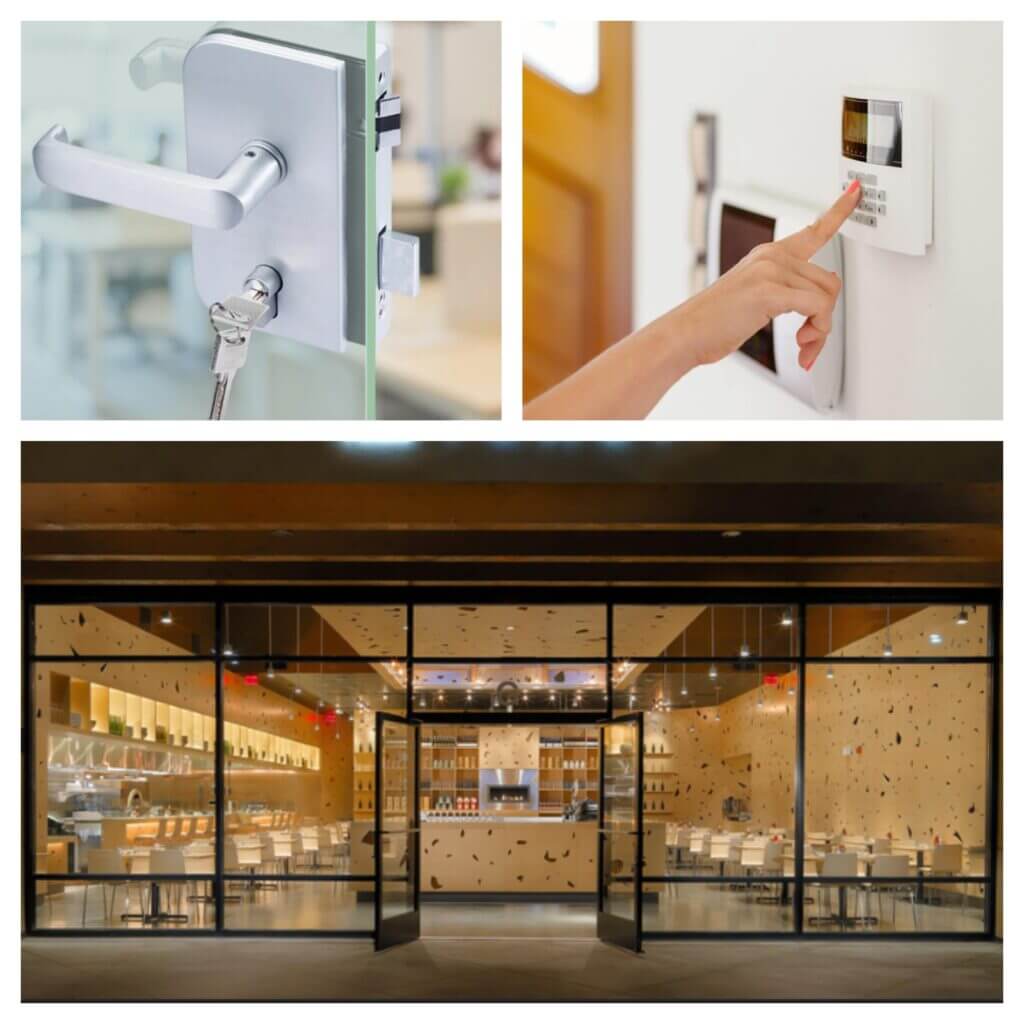
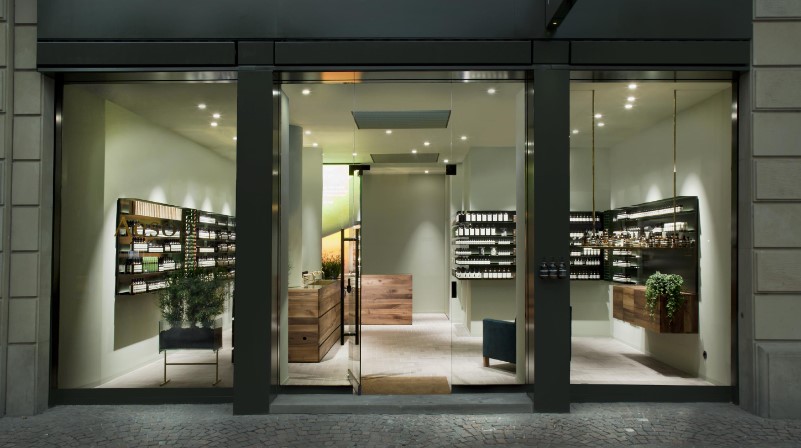
In today’s competitive retail environment, securing a Commercial Shopfront is essential to protect assets, ensure the safety of employees and customers, and prevent potential losses. Integrating advanced security features into a commercial shopfront can deter criminal activity and provide peace of mind for business owners. Here, we’ll explore various security features that can be integrated into a commercial shopfront to enhance protection and security. Security Features 1. High-Security Locks: One of the most fundamental security features is high-security locks. These locks are designed to be resistant to picking, drilling, and other forced entry methods. Commercial-grade deadbolts, electronic locks, and smart locks can offer an added layer of security, allowing for keyless entry and remote monitoring. 2. Security Grilles and Shutters: Security grilles and shutters provide a physical barrier against break-ins. Made from robust materials like steel and aluminum, these shutters can be rolled down after business hours to protect the shopfront. They are available in various designs, including solid, perforated, and transparent options, allowing visibility while maintaining security. 3. Surveillance Cameras: Surveillance cameras are a crucial component of any security system. High-definition CCTV cameras strategically placed around the shopfront can monitor and record activities 24/7. Modern systems offer features like motion detection, night vision, and remote access, enabling business owners to view live footage from anywhere. 4. Alarm Systems: Alarm systems act as a deterrent and provide immediate alerts in the event of a break-in. Integration with motion sensors, glass break detectors, and door/window sensors ensures comprehensive coverage. Advanced alarm systems can also be linked to local law enforcement or security companies for rapid response. 5. Access Control Systems: Access control systems manage who can enter different areas of the shop. Options include key card systems, biometric scanners (such as fingerprint or facial recognition), and keypad entry systems. These systems can restrict access to sensitive areas and keep a log of entry and exit times for monitoring purposes. 6. Reinforced Glass: Standard glass windows and doors can be vulnerable to break-ins. Upgrading to reinforced glass, such as laminated or tempered glass, can make it significantly harder for intruders to gain access. These types of glass are designed to withstand impacts and are more resistant to shattering. 7. Security Lighting: Adequate lighting is essential for deterring criminal activity. Installing bright, motion-activated lights around the shopfront can illuminate dark areas and make potential intruders visible. Well-lit premises are less attractive to criminals and can enhance the effectiveness of surveillance cameras. 8. Bollards and Barriers: For shops located on busy streets or areas prone to vehicle-related incidents, installing bollards or barriers can provide additional protection. These structures prevent vehicles from crashing into the shopfront, either accidentally or intentionally. Conclusion: Integrating advanced security features into a Commercial Shopfront is crucial for protecting assets and ensuring the safety of employees and customers. From high-security locks and surveillance cameras to reinforced glass and security lighting, there are numerous options available to enhance the security of your business. By implementing these measures, business owners can create a secure environment that deters criminal activity and provides peace of mind.

Commercial Shopfronts
Shopfront, Commercial Shopfront

What materials are common for commercial shopfronts?

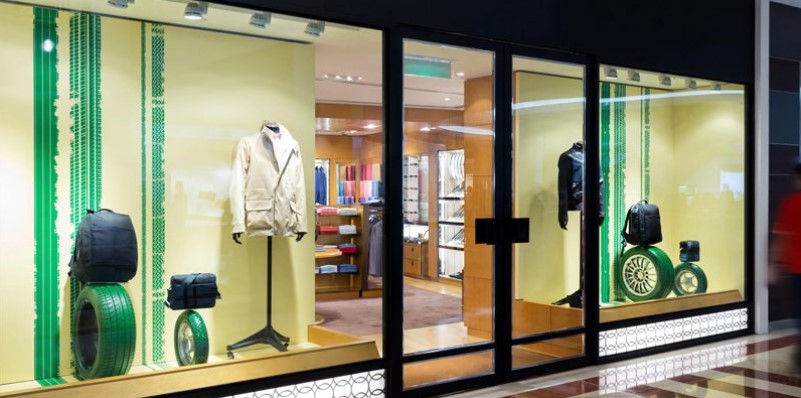
Types of Materials Commonly Used for Commercial Shopfronts Selecting the right material for a Commercial Shopfront is crucial for creating an inviting, durable, and functional facade. Various materials are commonly used, each offering distinct advantages in terms of aesthetics, durability, and maintenance. Here’s an overview of the most popular materials used for commercial shopfronts: 1. Glass Toughened Glass: Toughened or tempered glass is widely favored for its strength and safety. It offers a sleek, modern appearance and allows for clear visibility of the shop’s interior, attracting potential customers. It’s also resistant to impact, reducing the risk of breakage. Laminated Glass: Laminated glass consists of two or more layers of glass with an interlayer of polyvinyl butyral (PVB). It provides enhanced security and sound insulation while offering similar aesthetic benefits as toughened glass. 2. Aluminum Aluminum is a popular choice for commercial shopfronts due to its lightweight nature and durability. It’s resistant to corrosion and requires minimal maintenance. Aluminum frames can be powder-coated in various colors, allowing for customization to match the brand’s identity. Its strength also enables the construction of large windows and doors without compromising structural integrity. 3. Steel Steel shopfronts are known for their robustness and security. They offer superior resistance to impact and can be galvanized or powder-coated to prevent rust and enhance durability. Steel can support large glass panels, providing both security and an open, inviting look. However, it may require more maintenance than aluminum to prevent corrosion. 4. Wood Wooden shopfronts provide a classic and warm aesthetic, ideal for boutique stores, cafes, and traditional shops. High-quality hardwoods like oak and mahogany are preferred for their durability and resistance to weathering. Wooden frames can be painted or stained to match the shop’s exterior design. Regular maintenance, such as sealing and painting, is necessary to preserve the wood’s appearance and longevity. 5. uPVC (Unplasticized Polyvinyl Chloride) uPVC is an affordable and low-maintenance option for shopfronts. It’s resistant to weathering, chemicals, and UV light, ensuring long-lasting performance. uPVC frames are available in various colors and finishes, including wood grain effects. While not as strong as aluminum or steel, uPVC provides adequate security for many commercial applications. 6. Composite Materials Composite shopfronts combine materials like aluminum and uPVC to offer the benefits of both. These materials provide enhanced thermal insulation, durability, and aesthetic flexibility. Composite frames are often used for their superior performance in energy efficiency and ease of maintenance. Conclusion Choosing the right material for a Commercial Shopfront involves considering factors like aesthetics, durability, maintenance, and security. Glass, aluminum, steel, wood, uPVC, and composite materials each offer unique benefits that can enhance the appeal and functionality of a commercial space. By selecting the appropriate material, businesses can create an inviting and durable facade that effectively represents their brand and attracts customers.

how-long-do-garage-shutter-doors-last
Garage Shutter Doors

How Long Do Garage Shutter Doors Last?

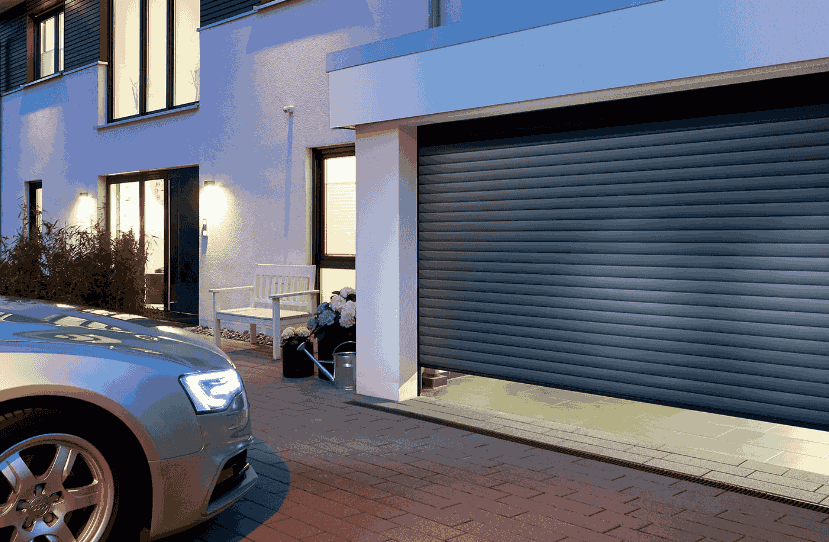
Garage Shutter Doors are a popular choice for homeowners and businesses due to their robust security features, space-saving design, and ease of use. One common question that arises when considering the installation of these doors is: “How long do garage shutter doors last?” The lifespan of garage shutter doors can vary based on several factors, including the material, quality, frequency of use, and maintenance practices. Here, we’ll explore these factors in detail to give you a comprehensive understanding of the longevity of garage shutter doors. Factors Materials Matter The material of the garage shutter door plays a significant role in its lifespan. Common materials used for these doors include steel and aluminum. Steel garage shutter doors are known for their strength and durability, often lasting 20 to 30 years with proper care. Aluminum doors, while lighter and resistant to rust, also offer a long lifespan, typically around 15 to 25 years. Both materials are designed to withstand harsh weather conditions and daily wear and tear, but steel generally offers a longer life expectancy due to its sturdier nature. Quality Counts The quality of the garage shutter door and its components is crucial for longevity. High-quality doors manufactured by reputable brands are constructed with better materials and superior craftsmanship, ensuring a longer lifespan. Investing in a high-quality garage shutter door can save you money in the long run by reducing the need for frequent repairs or replacements. Usage Frequency The frequency of use significantly impacts how long a garage shutter door will last. Doors that are used multiple times a day will experience more wear and tear compared to those used less frequently. Commercial properties with high traffic may see a reduced lifespan compared to residential properties with moderate use. However, even with frequent use, regular maintenance can help extend the door’s life. Maintenance and Care Regular maintenance is key to ensuring the longevity of your garage shutter door. Here are some maintenance tips to help extend the life of your door: Conclusion The lifespan of Garage Shutter Doors can vary, but with high-quality materials, proper usage, and regular maintenance, they can last anywhere from 15 to 30 years. Investing in a durable, well-constructed door and adhering to a consistent maintenance routine will ensure your garage shutter door remains functional and secure for many years to come. Whether for residential or commercial use, garage shutter doors offer a reliable and long-lasting solution for protecting your property.

can-metal-gates-be-automated
Metal Gates

Can metal gates be automated?

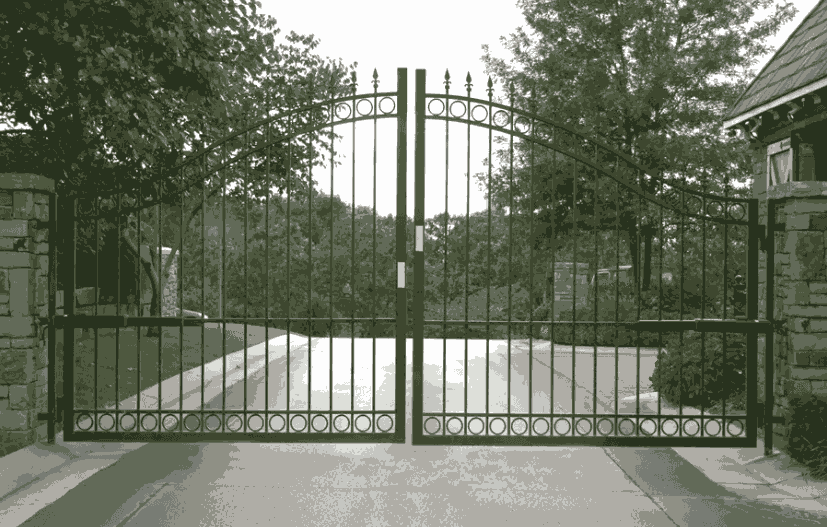
Metal gates have long been a staple in providing security and aesthetic appeal to homes and businesses. In today’s fast-paced world, the need for convenience and enhanced security is more crucial than ever. As technology advances, so do the options for securing our properties. One significant development in this realm is the automation of metal gates. So, can metal gates be automated? Absolutely! Automation technology has transformed how we manage access to our properties, combining modern technology with the sturdy protection that metal gates provide. Why Automate Metal Gates? 1. Enhanced Security: Automated metal gates offer unmatched security. With integrated access control systems, only authorized individuals can enter, significantly reducing the risk of unauthorized access. Advanced features such as video surveillance, keypads, card readers, and biometric scanners add an extra layer of security, ensuring your property remains protected at all times. 2. Convenience and Ease of Use: The days of manually opening and closing gates are long gone. Automated systems allow you to control your gate with the push of a button, a swipe of a card, or even through a smartphone app. This level of convenience is particularly beneficial during adverse weather conditions or when you’re in a hurry. 3. Improved Property Value: Installing automated metal gates can significantly enhance your property’s value. Potential buyers often see automated gates as a desirable feature, offering both security and modernity. This investment can provide a good return should you decide to sell your property in the future. 4. Customization and Flexibility: Automated metal gates come in various designs and can be customized to fit your specific needs. Whether you prefer swing gates, sliding gates, or bi-fold gates, automation systems can be integrated seamlessly. Additionally, you can choose from different materials like wrought iron, steel, or aluminum, each offering unique benefits and aesthetic appeal. How Does Automation Work? 1. Gate Operators: The heart of an automated gate system is the gate operator. This motorized device controls the movement of the gate, allowing it to open and close automatically. Gate operators come in various types, including hydraulic and electromechanical, each suitable for different gate sizes and usage frequencies. 2. Access Control Systems: Access control systems manage who can enter and exit the property. These systems range from basic remote controls and keypads to advanced biometric scanners and smartphone apps. Integration with security cameras can provide real-time monitoring and recording of all entries and exits. 3. Safety Features: Automated gates come equipped with safety features to prevent accidents. Sensors can detect obstacles in the gate’s path, halting its movement to avoid collisions. Additionally, manual override options are available in case of power outages or emergencies, ensuring you can always access your property. Conclusion: Automating Metal Gates is a forward-thinking decision that combines security, convenience, and modern technology. By investing in automated metal gates, you’re enhancing your property’s safety and adding significant value and appeal. Whether for a residential home or a commercial property, automated metal gates are a smart and practical solution for today’s security needs.

Office Partitions
Office Partition

Can office partitions reduce noise?

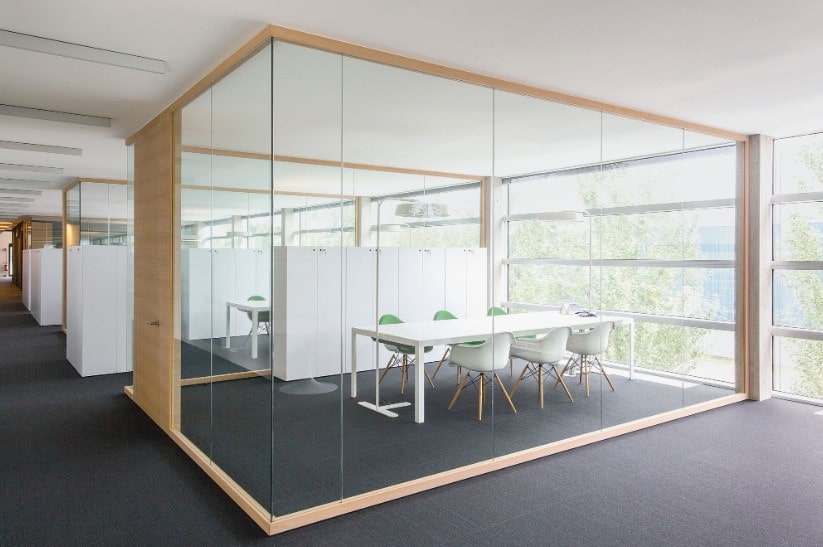
Office Partitions are not just functional tools for organizing workspaces; they can also play a crucial role in managing noise levels in the workplace. Reducing noise is essential for creating a productive and comfortable work environment. Here’s how office partitions can help in noise reduction and what factors to consider: How Office Partitions Reduce Noise Benefits of Noise Reduction in the Workplace Factors to Consider Conclusion Office partitions can be a valuable tool in reducing noise within the workplace, contributing to a more productive, focused, and comfortable environment. By selecting the right materials and designs, businesses can effectively manage noise levels and improve overall office functionality. Investing in quality partitions not only enhances the acoustic comfort but also supports better communication and well-being among employees.

Man Installing Bifolding Doors
Bifolding Doors

How long does it take to install BiFolding doors?

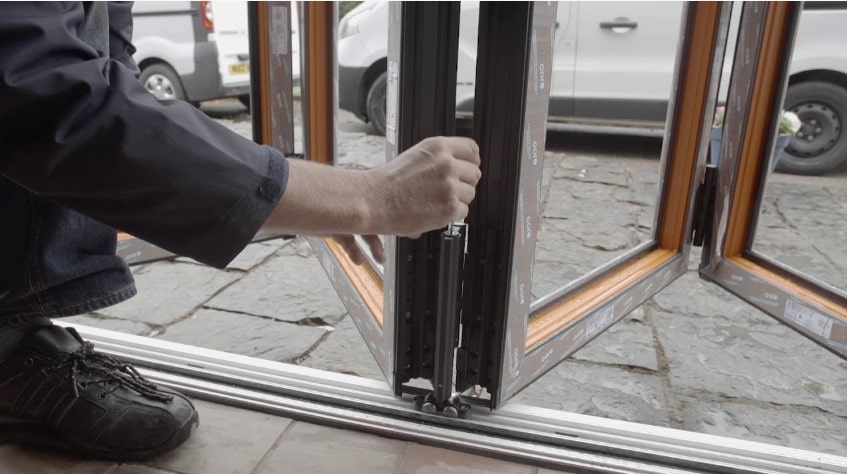
Installing BiFolding Doors is a significant upgrade that can transform your living space by creating a seamless transition between indoor and outdoor areas. One common question homeowners have is: How long does it take to install BiFolding doors? Understanding the installation timeline can help you plan better and set realistic expectations. Preparation and Pre-Installation Steps Before the actual installation begins, several preparatory steps need to be completed. These include measuring the space, ordering the doors, and ensuring the structural opening is ready. Custom BiFolding doors may take a few weeks to be manufactured and delivered. Once the doors arrive, a professional installer will need to inspect them to ensure they meet quality standards. Installation Day: What to Expect The installation of BiFolding doors typically takes between one to two days, depending on various factors. Here’s a breakdown of the process and timeline: Factors Influencing Installation Time Several factors can influence the total installation time: Conclusion While the actual installation of BiFolding doors typically takes one to two days, the entire process, including preparation and potential adjustments, can span several weeks. Hiring experienced professionals ensures a smooth, efficient installation, allowing you to enjoy the benefits of your new BiFolding doors with minimal disruption. Planning ahead and understanding the timeline helps ensure a seamless upgrade to your living space.

Toughened Glass For Shopfronts
Toughened Glass, Glass

Why should I choose toughened glass for my shopfront?

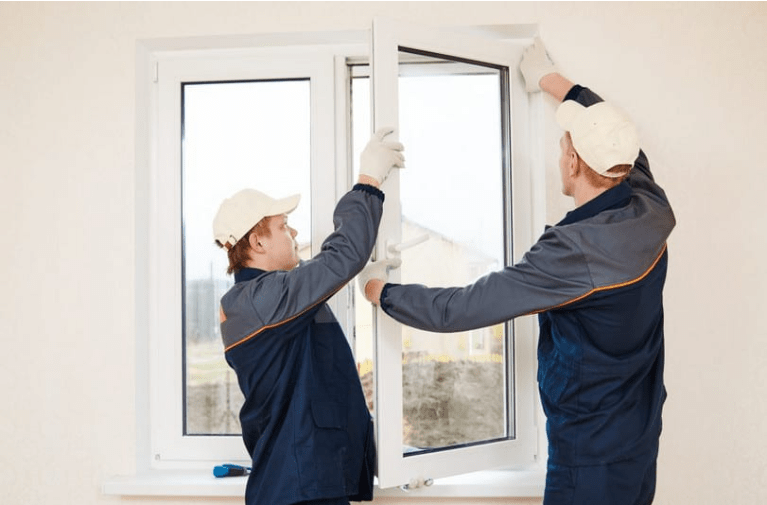
Choosing Toughened Glass for your shopfront is a smart investment that offers a range of benefits, ensuring your commercial space not only looks modern and inviting but also remains secure and durable. Here are the top reasons why toughened glass is an ideal choice for shopfronts: Key Features of Toughened Glass 1. Superior Strength and Durability Toughened glass, also known as tempered glass, is up to five times stronger than regular glass. This increased strength comes from a special thermal or chemical treatment process that enhances its ability to withstand impact. Whether it’s accidental bumps, environmental stressors, or attempts at vandalism, toughened glass provides a robust barrier, significantly reducing the risk of breakage. 2. Enhanced Safety Safety is paramount for any commercial establishment. One of the standout features of toughened glass is its breakage pattern. Unlike ordinary glass that shatters into sharp, dangerous shards, toughened glass crumbles into small, blunt pieces. This minimizes the risk of injury, ensuring the safety of your customers and staff. 3. Aesthetic Appeal A sleek, modern appearance is crucial in attracting customers. Toughened glass offers a pristine, clear view of your shop’s interior, making your displays and products more visible and inviting. Its polished look enhances the overall aesthetic of your storefront, contributing to a professional and upscale image. 4. Customization Options Toughened Glass is highly versatile and can be customized to fit your specific design needs. It can be manufactured in various thicknesses, sizes, and shapes. Additionally, you can choose from a range of tints and finishes to match your branding and aesthetic preferences, ensuring your shopfront stands out. 5. Improved Security Security is a major concern for any business. Toughened glass is much more resistant to breakage compared to regular glass, providing an additional layer of protection against break-ins and theft. Its durability makes it a deterrent for potential intruders, helping to keep your premises secure. 6. Environmental Benefits Toughened glass is a sustainable choice. Its long lifespan means fewer replacements and less waste. Moreover, toughened glass is fully recyclable, making it an environmentally friendly option for eco-conscious businesses. 7. Ease of Maintenance Maintaining toughened glass is straightforward. Its smooth surface makes it easy to clean with standard glass cleaners and a soft cloth. Regular maintenance ensures it remains clear and attractive, contributing to a welcoming storefront. 8. Compliance with Regulations Toughened glass meets stringent building codes and safety standards, ensuring your shopfront is compliant with local regulations. This compliance not only enhances safety but also provides peace of mind, knowing your shopfront adheres to legal requirements. Conclusion Investing in toughened glass for your shopfront offers numerous advantages, from enhanced safety and security to improved aesthetics and durability. Its versatility and environmental benefits make it an excellent choice for modern businesses looking to create a stylish, safe, and inviting commercial space. Choose toughened glass for a shopfront that stands the test of time and attracts customers with its sleek, professional appearance.