Shopfront

what-security-features-fit-a-commercial-shopfront
Shopfront

What security features fit a Commercial shopfront?

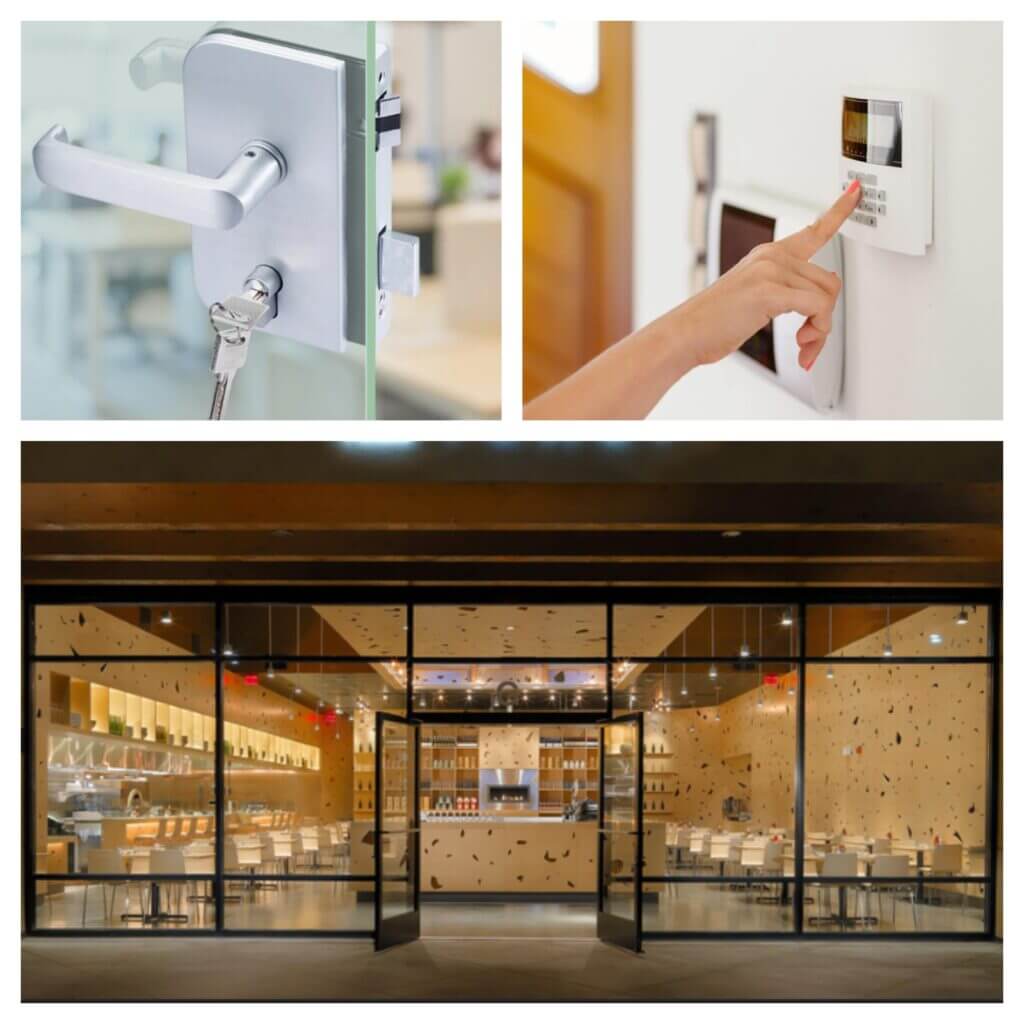
In today’s competitive retail environment, securing a Commercial Shopfront is essential to protect assets, ensure the safety of employees and customers, and prevent potential losses. Integrating advanced security features into a commercial shopfront can deter criminal activity and provide peace of mind for business owners. Here, we’ll explore various security features that can be integrated into a commercial shopfront to enhance protection and security. Security Features 1. High-Security Locks: One of the most fundamental security features is high-security locks. These locks are designed to be resistant to picking, drilling, and other forced entry methods. Commercial-grade deadbolts, electronic locks, and smart locks can offer an added layer of security, allowing for keyless entry and remote monitoring. 2. Security Grilles and Shutters: Security grilles and shutters provide a physical barrier against break-ins. Made from robust materials like steel and aluminum, these shutters can be rolled down after business hours to protect the shopfront. They are available in various designs, including solid, perforated, and transparent options, allowing visibility while maintaining security. 3. Surveillance Cameras: Surveillance cameras are a crucial component of any security system. High-definition CCTV cameras strategically placed around the shopfront can monitor and record activities 24/7. Modern systems offer features like motion detection, night vision, and remote access, enabling business owners to view live footage from anywhere. 4. Alarm Systems: Alarm systems act as a deterrent and provide immediate alerts in the event of a break-in. Integration with motion sensors, glass break detectors, and door/window sensors ensures comprehensive coverage. Advanced alarm systems can also be linked to local law enforcement or security companies for rapid response. 5. Access Control Systems: Access control systems manage who can enter different areas of the shop. Options include key card systems, biometric scanners (such as fingerprint or facial recognition), and keypad entry systems. These systems can restrict access to sensitive areas and keep a log of entry and exit times for monitoring purposes. 6. Reinforced Glass: Standard glass windows and doors can be vulnerable to break-ins. Upgrading to reinforced glass, such as laminated or tempered glass, can make it significantly harder for intruders to gain access. These types of glass are designed to withstand impacts and are more resistant to shattering. 7. Security Lighting: Adequate lighting is essential for deterring criminal activity. Installing bright, motion-activated lights around the shopfront can illuminate dark areas and make potential intruders visible. Well-lit premises are less attractive to criminals and can enhance the effectiveness of surveillance cameras. 8. Bollards and Barriers: For shops located on busy streets or areas prone to vehicle-related incidents, installing bollards or barriers can provide additional protection. These structures prevent vehicles from crashing into the shopfront, either accidentally or intentionally. Conclusion: Integrating advanced security features into a Commercial Shopfront is crucial for protecting assets and ensuring the safety of employees and customers. From high-security locks and surveillance cameras to reinforced glass and security lighting, there are numerous options available to enhance the security of your business. By implementing these measures, business owners can create a secure environment that deters criminal activity and provides peace of mind.

Commercial Shopfronts
Shopfront, Commercial Shopfront

What materials are common for commercial shopfronts?

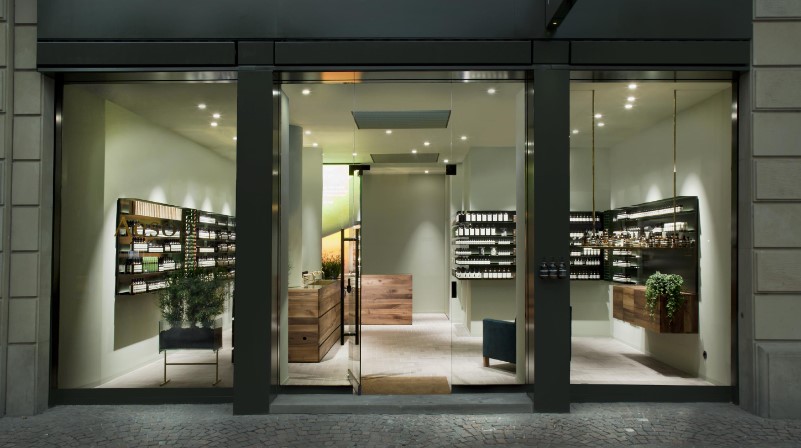
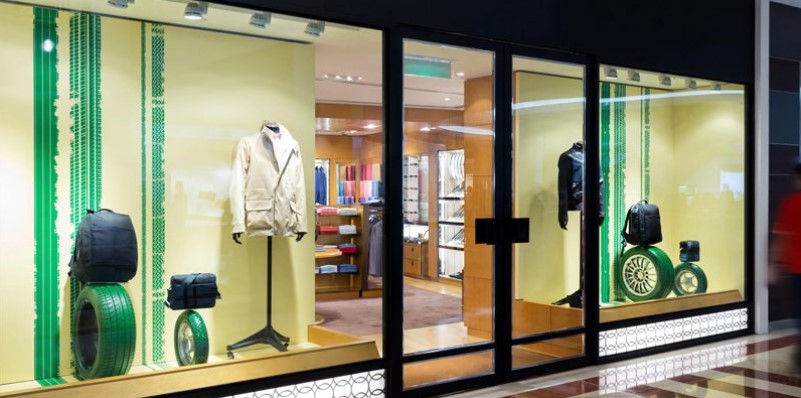
Types of Materials Commonly Used for Commercial Shopfronts Selecting the right material for a Commercial Shopfront is crucial for creating an inviting, durable, and functional facade. Various materials are commonly used, each offering distinct advantages in terms of aesthetics, durability, and maintenance. Here’s an overview of the most popular materials used for commercial shopfronts: 1. Glass Toughened Glass: Toughened or tempered glass is widely favored for its strength and safety. It offers a sleek, modern appearance and allows for clear visibility of the shop’s interior, attracting potential customers. It’s also resistant to impact, reducing the risk of breakage. Laminated Glass: Laminated glass consists of two or more layers of glass with an interlayer of polyvinyl butyral (PVB). It provides enhanced security and sound insulation while offering similar aesthetic benefits as toughened glass. 2. Aluminum Aluminum is a popular choice for commercial shopfronts due to its lightweight nature and durability. It’s resistant to corrosion and requires minimal maintenance. Aluminum frames can be powder-coated in various colors, allowing for customization to match the brand’s identity. Its strength also enables the construction of large windows and doors without compromising structural integrity. 3. Steel Steel shopfronts are known for their robustness and security. They offer superior resistance to impact and can be galvanized or powder-coated to prevent rust and enhance durability. Steel can support large glass panels, providing both security and an open, inviting look. However, it may require more maintenance than aluminum to prevent corrosion. 4. Wood Wooden shopfronts provide a classic and warm aesthetic, ideal for boutique stores, cafes, and traditional shops. High-quality hardwoods like oak and mahogany are preferred for their durability and resistance to weathering. Wooden frames can be painted or stained to match the shop’s exterior design. Regular maintenance, such as sealing and painting, is necessary to preserve the wood’s appearance and longevity. 5. uPVC (Unplasticized Polyvinyl Chloride) uPVC is an affordable and low-maintenance option for shopfronts. It’s resistant to weathering, chemicals, and UV light, ensuring long-lasting performance. uPVC frames are available in various colors and finishes, including wood grain effects. While not as strong as aluminum or steel, uPVC provides adequate security for many commercial applications. 6. Composite Materials Composite shopfronts combine materials like aluminum and uPVC to offer the benefits of both. These materials provide enhanced thermal insulation, durability, and aesthetic flexibility. Composite frames are often used for their superior performance in energy efficiency and ease of maintenance. Conclusion Choosing the right material for a Commercial Shopfront involves considering factors like aesthetics, durability, maintenance, and security. Glass, aluminum, steel, wood, uPVC, and composite materials each offer unique benefits that can enhance the appeal and functionality of a commercial space. By selecting the appropriate material, businesses can create an inviting and durable facade that effectively represents their brand and attracts customers.