
Traditional vs Modern Shopfronts for London Businesses: Which Is Right for Your Premises?
Introduction: choosing between traditional and modern shopfronts in London
A shopfront is often the first physical signal a customer receives about a business. For a London retailer, café, salon, office or hospitality venue, the choice between period-inspired detailing and a contemporary glazed frontage affects customer expectations, display space, security planning and how comfortably the premises sits within its street. That makes traditional vs modern shopfronts for London businesses a decision about more than appearance.
Direct Shopfront helps businesses consider practical shopfront installation choices in London, from the relationship between a frontage and its building to the materials and features needed for everyday use. This comparison explains where each style may fit, what limitations to allow for and which questions should shape a confident brief. If you are considering a new frontage, refurbishment or replacement, our London shopfront installation services provide a relevant starting point for discussing the premises and proposed design.
What is the difference between a traditional and modern shopfront?
The distinction usually comes from the overall visual language of the frontage: proportions, framing, glazing, signage, finishes and how closely the design reflects the age and character of the building. Either approach can be well made, secure and commercially effective when it is appropriate for the site.
Typical features of a traditional shopfront
Traditional shopfronts London businesses may consider often use more visible structure and crafted-looking detail. Timber framing, recessed entrances, panelled stall risers, carefully divided display windows and restrained fascias can create a heritage appearance. Colours and lettering are often selected to complement brickwork, stonework or other period features rather than compete with them.
This approach can be especially relevant where a premises has an established period character, or where a brand wants to convey craftsmanship, familiarity, specialist service or a considered hospitality experience. A traditional shopfront design does not need to feel old-fashioned; good detailing can make it feel intentional and well matched to the property.
Typical features of a modern shopfront
Modern shopfronts London businesses choose commonly favour clean lines, larger uninterrupted panes of glass, slimmer aluminium framing and simpler signage zones. The result can feel open, adaptable and highly visible from the pavement. For businesses with changing displays, product-led merchandising or a contemporary brand identity, a glass shopfront can make the interior and stock more immediate.
A modern frontage may also accommodate practical elements discreetly, such as integrated doors, lighting, accessible thresholds and security measures. It is not defined solely by glass or aluminium, however. The key is a coherent contemporary frontage that works with the building rather than appearing pasted onto it.
Why the distinction is not always absolute
Many of the strongest commercial shopfront design solutions sit between the two styles. A period property may benefit from modern glazing performance and durable components while retaining appropriate proportions, colours and timber-like visual detail. Equally, a modern building can use warmer finishes or more structured framing without becoming traditional.
For that reason, choosing a shopfront for a London business should begin with what the premises needs to communicate and accommodate, not with a fixed label. Reviewing completed shopfront projects can help a decision-maker identify the level of detail, glazing and visual openness they prefer, while still assessing every property on its own merits.
Traditional shopfronts: strengths and limitations for London businesses
When traditional character may suit a premises or brand
A traditional frontage can give an independent business a clear sense of place. It may be a strong fit for older high street buildings, neighbourhood retail premises, boutiques, professional practices, food venues and brands whose customer experience depends on warmth, trust or heritage cues. Divided display windows and a carefully planned fascia can create a composed first impression without relying on a large expanse of glazing.
It can also prevent an otherwise attractive building from losing its identity during refurbishment. When surrounding properties have consistent period character, reflecting appropriate proportions and materials may help the premises look settled within the street. That visual respect can matter to landlords and property managers as well as customers.
Practical limitations to consider
Traditional does not automatically mean lower performance, but it can involve more detail to specify and maintain. Timber framing may need a maintenance plan suitable for exposure, while decorative joins, painted finishes and more complex glazing divisions can require careful upkeep. The design should also allow for weather resistance, safe access, security and usable display space rather than treating period appearance as the only priority.
There can be less freedom to make bold changes where the building is listed or located in a conservation area. A frontage that looks historically inspired but ignores the property’s actual proportions may still be unsuitable. Before committing to a design, assess the condition of the existing façade, signage needs, entrance width and whether the proposed style supports the way customers enter, browse and leave.
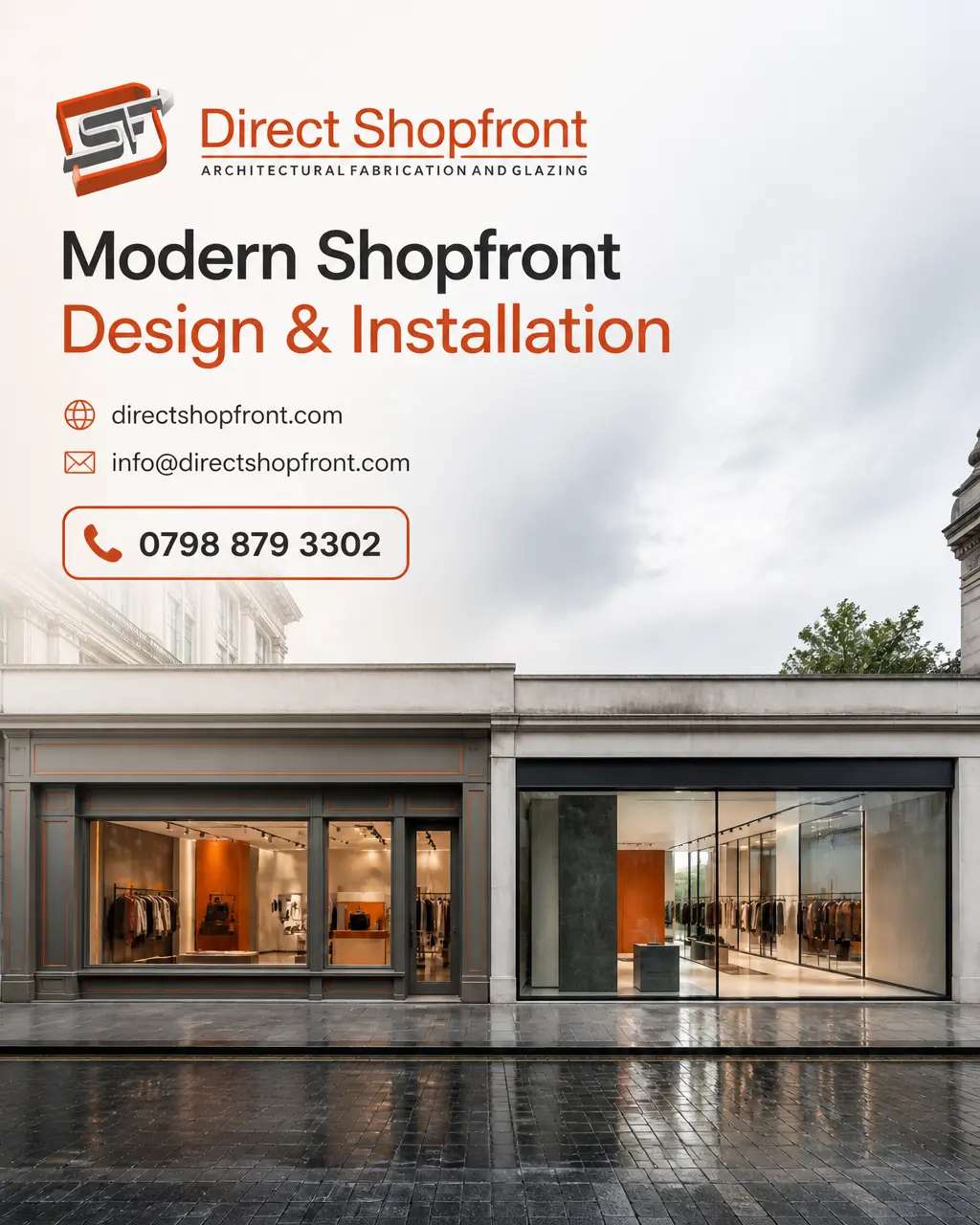
WHY DIRECT SHOPFRONT
BUILT WITH PURPOSE.
FINISHED WITH
PRECISION.
Bespoke solutions. Durable materials. Professional installation. One team to manage your project from the first survey through to the final finish — with repairs and aftercare when you need them.
Modern shopfronts: strengths and limitations for London businesses
Where contemporary design may support visibility and flexibility
Modern shopfront design can be useful when a business needs maximum visibility, a bright internal feel or a flexible display window. Larger glazed areas allow passers-by to see products, activity and lighting from the street, which may suit retail, food, beauty, fitness and customer-facing service premises. Slim aluminium framing can keep sightlines open while providing a neat, defined structure.
A contemporary frontage can also make it easier to refresh a visual identity over time. Signage, window graphics and displays can change without redesigning ornate architectural features. This flexibility is valuable for occupiers with seasonal merchandising or a brand that may develop. It should still be balanced with the street setting; a highly minimal façade may look out of place on a characterful parade if its scale, colour and detailing are not considered carefully.
Visibility is only one part of customer appeal. For further context on design choices that contribute to a noticeable frontage, see our guide to what makes a shopfront stand out in a competitive retail area. A distinctive frontage should remain legible, welcoming and appropriate to the business rather than simply more attention-grabbing.
Practical limitations to consider
Expansive glazing needs to work hard. It should support the display, privacy and daylight requirements of the occupier, while the framing and doors must stand up to frequent use. Glass can make a frontage appear light and open, but it can also reveal cluttered interiors or leave little space for certain types of signage. Consider how the premises looks after dark, when displays are being changed and when privacy is needed.
Contemporary does not remove maintenance requirements. Glazing, seals, frames, door hardware and any external finishes need regular inspection and cleaning. Security must be integrated rather than treated as an afterthought: the appropriate solution will depend on the property, operational hours, insurance expectations and the visual priorities of the design. For businesses evaluating whether a contemporary frontage may affect street presence, our article on how modern shopfronts may support customer footfall explains the relationship cautiously; no style alone can guarantee customer numbers.
The practical factors that should decide your shopfront style
The building, street and surrounding property character
Start with the building rather than a catalogue image. Look at its age, façade materials, window rhythm, upper floors, neighbouring frontages and the wider high street. A traditional treatment may preserve period character; a contemporary solution may suit a newer commercial property or a street with varied, updated frontages. In either case, proportions are critical. A fascia that is too deep, framing that is too heavy or glazing that ignores the building’s existing lines can weaken the overall result.
Businesses outside the capital may face similar questions about property context and local trading environments. For example, Direct Shopfront also provides shopfront support in Rayleigh, where the best visual approach likewise depends on the individual premises rather than a one-style rule.
Brand identity, customer expectations and display requirements
Your frontage should give customers an accurate expectation of what is inside. A specialist retailer may want considered timber detail and curated display windows; a technology-led service may prefer a clean, open visual. Neither choice is inherently more professional. Ask what customers need to notice first: products, menus, appointments, an accessible entrance, privacy or a calm reception area.
Map practical display needs before deciding on frame widths and glazing. Consider where signage will sit, whether window displays change frequently, how much natural light is useful and whether internal layout supports the view from outside. The decision framework in our guide to choosing the right shopfront for a London retail business can help turn these broad preferences into a clearer brief.
Materials, maintenance, durability and security
Material selection should follow the chosen style and operating conditions. Timber can provide warmth and traditional character, while aluminium is frequently selected for clean contemporary lines and practical framing. Glass provides visibility, but the specification must suit the desired balance of display, safety and privacy. Consider cleaning, exposure to weather, likely knocks, door traffic and the ability to repair or refresh components later.
Security shutters, grilles and other protective measures should be discussed early because they can materially alter the appearance of either style. A visually sensitive solution may be particularly important where a property has period features. Compare options as part of the full frontage, not as a final add-on. Our overview of shopfront materials for busy London high streets offers further material-focused context for this decision.
Accessibility, planning context and installation considerations
The entrance must work for real users as well as look appropriate. Thresholds, door operation, clear access and the relationship between the pavement and entrance all deserve consideration during design. Building regulations and other requirements can apply depending on the work, so installation planning should identify site-specific constraints early.
Planning requirements vary across London boroughs and according to the property and proposal. As an example of current local guidance, Southwark Council’s shopfront planning guidance notes that alterations to shopfronts and external security shutters or grilles will usually need planning permission, while alterations to listed buildings may require listed building consent. This is not a universal determination for every London premises: confirm the position with the relevant local planning authority and suitable professional before work begins, particularly in a conservation area or on a listed building.
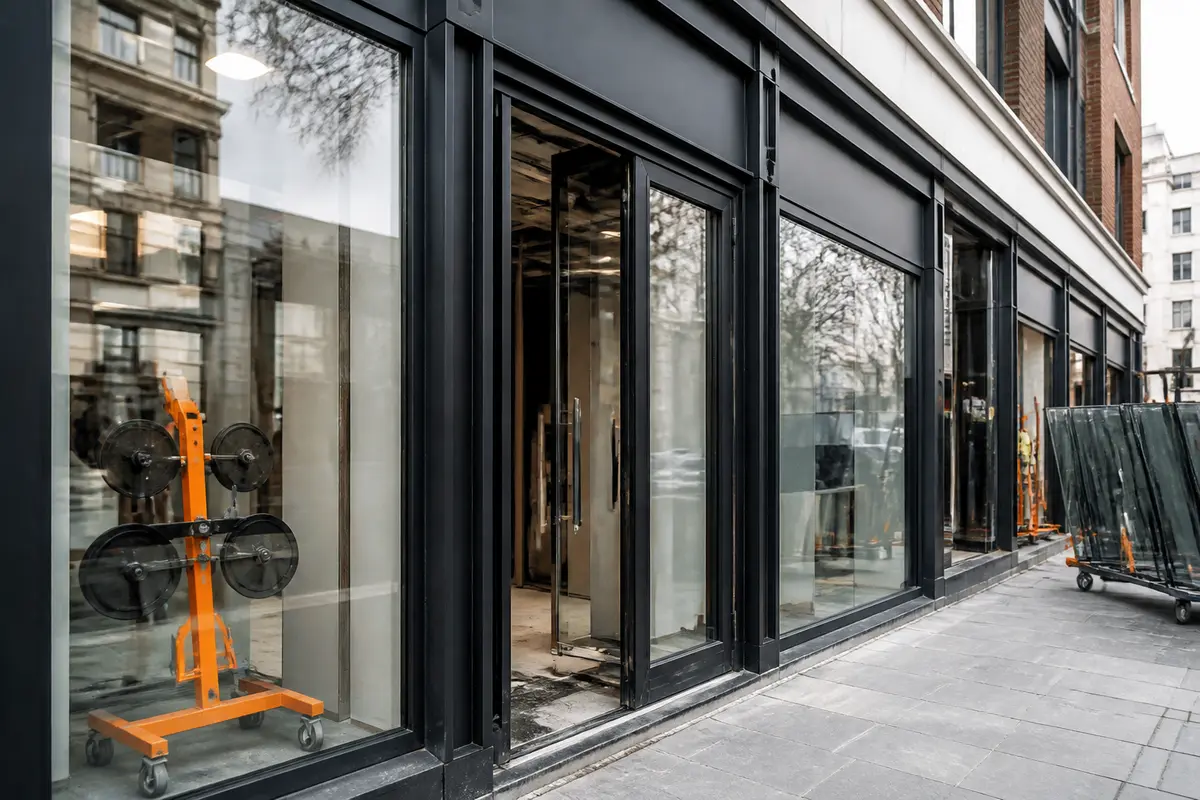
Traditional vs modern shopfronts: a direct comparison for different business needs
The most suitable option is the one that fits the property, business model and practical brief. This comparison can help owners and managers identify where their priorities sit.
| Decision area | Traditional approach | Modern approach |
|---|---|---|
| Appearance | Period-inspired proportions, visible framing and detailed finishes. | Clean lines, simpler forms and often more uninterrupted glazing. |
| Customer impression | Can feel established, crafted, local or character-led. | Can feel open, current, streamlined or product-focused. |
| Material direction | Often timber framing and carefully detailed glazing. | Often aluminium framing and larger glass panels. |
| Maintenance focus | Finishes and detailed elements may need closer attention. | Glazing, seals, hardware and clean presentation remain important. |
| Flexibility | Best where a stable, characterful identity is the priority. | Useful for changing displays, graphics and contemporary branding. |
| Property fit | May complement period façades and traditional streetscapes. | May suit newer buildings or carefully designed upgrades. |
| Refurbishment implication | May call for sensitive retention or replication of key details. | May enable a clearer visual reset, subject to site constraints. |
The table is a prompt for discussion, not a substitute for a site survey. A hybrid solution may deliver the strongest outcome where traditional character and modern performance need to coexist.
When should a London business consider shopfront replacement or professional installation?
Signs that an existing frontage may no longer be suitable
Repair can be appropriate where the core frontage remains sound and continues to meet the business’s needs. Replacement becomes worth exploring when the current façade no longer represents the brand, restricts access or display, has persistent condition issues, provides poor security integration or conflicts with a wider premises refurbishment. An unsuitable entrance arrangement, tired finishes and a layout that leaves customers unsure where to enter are also reasons to reassess the whole frontage.
A change in tenant, use or customer offer can be just as important as physical wear. A traditional design may need updating without losing its character, while an older modern frontage may no longer provide the clarity or functionality expected by the current occupier. Where a full change is the practical route, London shopfront replacement services can form part of a planned assessment rather than a rushed cosmetic alteration.
How replacement can fit into the wider style decision
Replacement should start with a brief that covers appearance, use and constraints: the desired style, signage, display windows, access, material preferences, security and any approvals that may be needed. This makes it easier to compare like-for-like proposals and avoid choosing solely on a single visual reference. A professional site survey can identify dimensions, existing conditions and installation considerations that are not obvious from street level.
It is also sensible to look beyond London when managing a portfolio or comparing premises requirements. For example, a location-specific discussion for Rochford can still reinforce the same principle: a shopfront should respond to the individual building, street and business use.
How to make the final choice between a traditional and modern shopfront
A practical decision checklist
- Does the proposed frontage respect or intentionally complement the building’s character?
- Will customers immediately understand the entrance, offer and desired level of formality?
- Do the display windows, signage areas and internal layout support daily trading needs?
- Are the selected materials realistic for maintenance, weather exposure and expected use?
- Have security and accessibility been designed into the frontage rather than added later?
- Have you checked whether planning permission, listed building consent or other approvals may be relevant?
- Does the design allow the business to evolve without undermining the property’s visual coherence?
What to clarify before requesting design or installation advice
Bring photographs of the frontage and surrounding street, basic dimensions where available, details of the intended use, examples of styles you like and any landlord or authority requirements already known. Be clear about which elements are non-negotiable: retaining heritage character, maximising product display, improving access, integrating security or refreshing a brand identity.
Direct Shopfront can then help frame the conversation around the practical choices involved in a suitable frontage. For broader support with design and installation planning, explore our shopfront solutions for London businesses.
FAQ: traditional and modern shopfronts for London businesses
Are traditional shopfronts only suitable for older London buildings?
No. They are often a natural fit for period premises, but a business in a newer building may use traditional cues where they suit its brand and the surrounding street. The design should still feel proportionate to the building.
Are modern shopfronts better for attracting customers?
Not automatically. Modern glazing and clear sightlines may support visibility, but customer response also depends on the business offer, presentation, signage, location and customer experience. The most effective style is one that makes the premises clear and welcoming for its intended audience.
Which shopfront style is easier to maintain?
It depends on the specification. Detailed painted timber may need different upkeep from aluminium and glass, but every frontage needs cleaning, inspection and timely attention to doors, seals, finishes and security components.
Can a shopfront combine traditional character with modern materials or performance?
Yes. A design may retain suitable proportions and visual character while using contemporary glazing, framing systems or security solutions. This hybrid approach can be useful where appearance and practical performance must both be considered.
Does a London business need to consider planning permission or conservation-area requirements?
Potentially. Requirements vary by borough, property status and proposed work. Check the position with the relevant local planning authority, particularly for listed buildings, conservation areas, altered signage and external security measures.
When is shopfront replacement more suitable than repairing an existing frontage?
Replacement may be appropriate when condition problems are extensive, the layout no longer works, security or access needs have changed, or the frontage no longer supports the business and property appropriately. A survey helps determine whether repair, refurbishment or replacement is the more suitable route.
How should a business compare shopfront materials before installation?
Compare materials against the intended style, exposure, cleaning needs, display requirements, security approach, expected traffic and compatibility with the building. Do not assess appearance in isolation from maintenance and long-term practical use.
Traditional and modern shopfronts can both work well for London businesses. The right choice comes from balancing property character, brand identity, customer needs, materials, maintenance and approval requirements. A considered design brief and professional installation discussion can turn that balance into a frontage that is appropriate, usable and visually convincing.
READY TO TRANSFORM YOUR SHOPFRONT?
Design - Installation - Materials
Tell us about your project and our team will help you plan the right design, materials and installation.
Request Quote
Free Estimates