
Future Trends Shaping the Next Generation of Shopfronts London
– Contact Us Today –
The retail environment is entering a new era where business owners are focusing on customer experience, sustainability, and technology-driven design. Modern commercial entrances are no longer built solely for security or appearance—they have become an essential part of branding, energy efficiency, and customer engagement. Businesses across retail, hospitality, healthcare, and corporate sectors are investing in innovative façades that combine aesthetics with performance.
Shopfronts London solutions are evolving to meet changing consumer expectations, stricter environmental regulations, and smarter building technologies. As these developments continue, companies such as Direct Shopfront are helping businesses prepare for the future with advanced storefront systems that deliver durability, functionality, and a professional first impression.
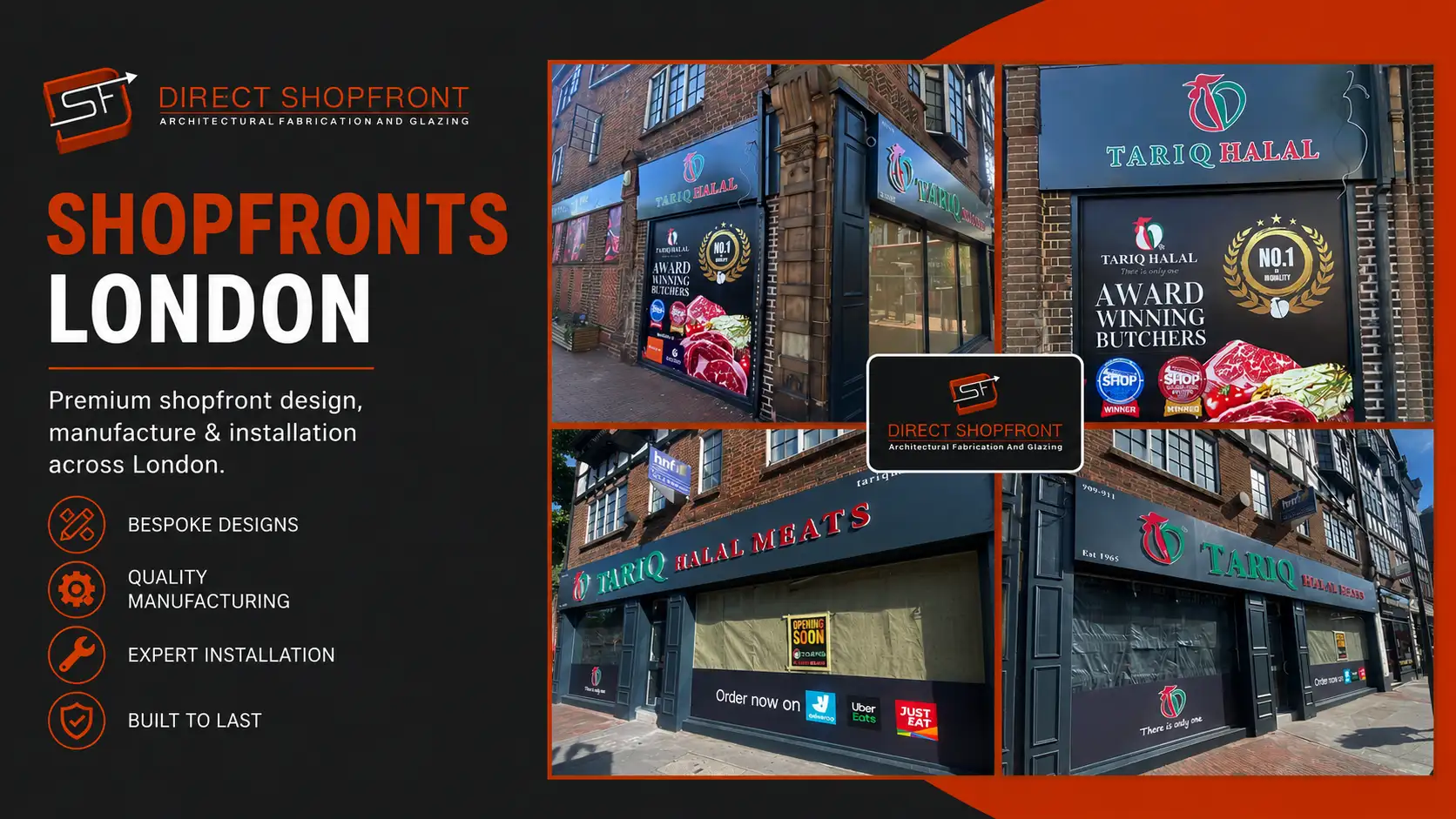
How Shopfronts London Are Evolving to Meet Tomorrow’s Commercial Demands
The future of commercial architecture is no longer defined by appearance alone. Businesses are seeking entrance systems that improve operational efficiency, strengthen brand identity, support sustainability goals, and adapt to changing consumer expectations. As retail, hospitality, healthcare, and office environments continue to evolve, property owners are investing in smarter façade solutions that combine innovative engineering with long-term performance. Shopfronts London are increasingly designed to offer enhanced security, superior energy efficiency, flexible layouts, and seamless integration with modern technologies. From intelligent glazing and automated access systems to environmentally responsible materials and bespoke architectural finishes, today’s commercial frontages are becoming strategic business assets rather than simple building features. The following trends demonstrate how the next generation of commercial storefronts is being shaped to meet future market demands while helping businesses create attractive, efficient, and future-ready premises.
The following trends are expected to define the next generation of commercial storefronts for years to come.
Smart Storefront Technology Will Become the New Standard
Technology is transforming how businesses interact with customers before they even step inside. Digital integration is becoming an essential feature rather than a luxury.
Benefits of intelligent storefront systems
- Motion-sensitive automatic entrance systems improve accessibility.
- Smart glass changes transparency depending on sunlight.
- Remote monitoring improves operational efficiency.
- Digital security systems reduce unauthorized access.
- Cloud-connected sensors monitor entrance performance.
- Automated maintenance alerts minimize downtime.
- Smart lighting adjusts according to natural daylight.
- Touchless entry systems improve hygiene standards.
Modern retail environments increasingly combine physical architecture with digital technologies to create more engaging customer experiences while reducing maintenance costs.
Sustainable Materials Will Dominate Commercial Construction
Environmental responsibility is becoming a major priority for businesses and property developers. Future storefront systems are being designed with sustainability in mind from the earliest planning stages.
Eco-friendly material innovations
- Recycled aluminium frames
- Low-carbon manufacturing processes
- Sustainably sourced timber finishes
- High-performance insulated glazing
- Recyclable steel components
- Environmentally friendly powder coatings
- Energy-efficient sealing systems
- Reduced waste fabrication techniques
These materials not only reduce environmental impact but also improve long-term operating costs through greater durability and energy efficiency.
Energy-Efficient Glass Will Continue to Advance
Glass technology has developed significantly over the past decade. Future glazing systems will deliver better insulation without compromising visibility.
New glazing developments include
- Triple-glazed commercial panels
- Solar control coatings
- Low-emissivity glass
- UV protection technology
- Anti-reflective finishes
- Self-cleaning glass surfaces
- Noise reduction glazing
- Heat-retention systems
Improved glass performance creates more comfortable indoor environments while lowering heating and cooling expenses throughout the year.
Minimalist Architecture Will Remain Highly Popular
Modern businesses increasingly prefer clean, elegant, and uncluttered storefront designs that highlight products rather than structural elements.
Characteristics of contemporary designs
- Slim aluminium framing
- Large uninterrupted glazing
- Hidden fixings
- Frameless entrances
- Flush thresholds
- Integrated lighting
- Neutral colour palettes
- Seamless external finishes
Minimalist architecture helps businesses create a premium appearance while maximizing natural daylight inside commercial spaces.
Advanced Security Features Will Become More Intelligent
Security is evolving beyond traditional shutters and locks. The next generation of commercial entrances combines physical protection with smart monitoring technologies.
Emerging security innovations
- AI-assisted surveillance integration
- Biometric access control
- Smart locking mechanisms
- Reinforced laminated glazing
- Impact-resistant panels
- Automatic emergency locking
- Intrusion detection sensors
- Remote security management
Businesses can improve protection without sacrificing visual appeal or customer accessibility.
Customisation Will Define Future Retail Identity
Every business wants its premises to reflect its unique brand personality. Personalisation is becoming one of the strongest trends in commercial architecture.
Popular customisation options
- Bespoke colour finishes
- Brand-integrated entrance designs
- Decorative glazing
- Laser-cut metal panels
- Illuminated branding
- Custom door handles
- Architectural feature lighting
- Unique façade configurations
These bespoke elements help businesses stand out in highly competitive retail environments.
Automation Will Improve Daily Business Operations
Automation is making commercial entrances more convenient for both customers and staff.
Automated features becoming increasingly common
- Sensor-operated doors
- Automatic locking schedules
- Remote opening controls
- Smart ventilation integration
- Automated accessibility systems
- Energy-saving lighting controls
- Predictive maintenance software
- Digital visitor management
Automation simplifies operations while improving safety and convenience.
Mixed Material Designs Will Gain Greater Popularity
Rather than relying on one construction material, future storefronts increasingly combine several materials to improve both aesthetics and performance.
Common material combinations
- Aluminium with timber
- Steel with structural glass
- Stone with glazed façades
- Composite cladding
- Decorative metal panels
- Concrete architectural finishes
- Glass with ceramic surfaces
- Textured aluminium systems
This design flexibility allows businesses to create visually distinctive entrances while maintaining structural performance.
Accessibility Will Drive Future Design Standards
Inclusive design is becoming an expectation rather than an optional upgrade.
Accessibility improvements include
- Wider entrances
- Automatic opening systems
- Low-threshold access
- Improved wheelchair manoeuvrability
- High-visibility entrance markings
- Accessible handle placement
- Enhanced lighting
- Barrier-free layouts
Improved accessibility benefits all visitors while helping businesses comply with evolving building regulations.
Digital Displays Will Become Integrated into Storefront Design
Digital communication is increasingly merging with physical retail architecture.
Future digital features
- Transparent LED displays
- Interactive product showcases
- Digital promotional screens
- Touch-enabled information panels
- Dynamic pricing displays
- AI-powered customer guidance
- Real-time advertising content
- Window projection technology
These innovations create engaging shopping experiences while providing businesses with flexible marketing opportunities.
Climate Adaptation Will Influence Future Construction
Changing weather conditions require more resilient commercial building systems.
Climate-focused innovations
- Improved weather sealing
- Wind-resistant glazing
- Flood-resistant entrance systems
- Thermal expansion engineering
- Corrosion-resistant finishes
- Heat-reflective coatings
- Enhanced drainage systems
- Storm-resistant framing
Future commercial façades will increasingly be designed to withstand more extreme environmental conditions.
Modular Construction Will Speed Up Installation
Prefabrication is transforming commercial construction projects.
Advantages of modular fabrication
- Faster installation
- Reduced business disruption
- Improved manufacturing quality
- Lower labour costs
- Easier future upgrades
- Greater design consistency
- Reduced site waste
- Better project scheduling
Off-site manufacturing allows greater quality control while shortening installation times.
Artificial Intelligence Will Support Predictive Maintenance
AI technology is beginning to improve how commercial properties are maintained.
Predictive maintenance capabilities
- Monitoring door usage
- Identifying wear patterns
- Detecting hardware failure
- Scheduling maintenance automatically
- Monitoring environmental conditions
- Reducing emergency repairs
- Extending equipment lifespan
- Lowering maintenance expenses
Businesses benefit from fewer unexpected breakdowns and improved operational reliability.
Fire Safety Standards Will Continue to Improve
Safety regulations continue to evolve, encouraging better-performing entrance systems.
Future fire safety developments
- Fire-rated glazing
- Smoke-resistant door systems
- Emergency evacuation integration
- Intelligent fire detection compatibility
- Heat-resistant framing
- Enhanced compartmentation
- Certified installation methods
- Improved compliance documentation
Future commercial entrances will increasingly combine aesthetic appeal with rigorous safety performance.
Customer Experience Will Shape Every Design Decision
Commercial architecture is becoming increasingly customer-focused.
Features that enhance visitor experience
- Better visibility into retail spaces
- Comfortable natural lighting
- Faster entrance accessibility
- Improved internal climate
- Attractive architectural design
- Easy navigation
- Enhanced safety perception
- Welcoming first impressions
Businesses recognise that the entrance is often the customer’s very first interaction with their brand.
Long-Term Investment Value Will Guide Purchasing Decisions
Business owners increasingly view storefront systems as strategic investments rather than simple construction projects.
Factors influencing investment decisions
- Reduced maintenance costs
- Higher property value
- Increased energy savings
- Longer product lifespan
- Better customer attraction
- Improved brand perception
- Enhanced operational efficiency
- Future regulatory compliance
Choosing durable, adaptable systems helps businesses maximise return on investment over many years.
Circular Economy Principles Will Influence Future Storefront Manufacturing
The next generation of commercial entrance systems will increasingly follow circular economy principles, where products are designed to last longer, be repaired easily, and eventually be recycled instead of discarded. Manufacturers are investing in production methods that minimise waste while improving material recovery at the end of a product’s lifecycle. This approach benefits businesses through lower replacement costs, greater sustainability credentials, and compliance with future environmental regulations. As commercial property owners prioritise responsible investments, circular manufacturing will become a major factor when selecting modern façade solutions.
Key circular economy developments
- Recyclable aluminium frame systems
- Modular components for easy replacement
- Reduced manufacturing waste
- Reusable glazing materials
- Eco-conscious production methods
- Longer product life expectancy
- Repair-friendly hardware systems
- Sustainable supply chain management
Adaptive Storefront Designs Will Support Changing Business Models
Retail spaces are becoming more flexible as businesses respond to seasonal demand, pop-up concepts, and evolving customer expectations. Future commercial frontages will be designed with adaptability in mind, allowing owners to modify layouts, entrances, display areas, and branding without extensive structural work. Flexible systems reduce renovation costs while enabling businesses to stay competitive in rapidly changing markets. This adaptability will become especially valuable for mixed-use developments and multi-purpose commercial properties.
Features of adaptive commercial designs
- Interchangeable façade panels
- Flexible entrance configurations
- Easily replaceable branding elements
- Expandable display window systems
- Modular architectural components
- Multi-purpose glazing solutions
- Adjustable lighting installations
- Future-ready structural frameworks
Data-Driven Design Will Improve Commercial Performance
Modern commercial architecture is increasingly being shaped by data collected from customer behaviour, energy usage, and building performance. Future storefront planning will rely on analytics to optimise entrance placement, lighting, accessibility, and visitor flow. Designers and property owners will use real-time information to make evidence-based improvements that enhance customer experience while reducing operating costs. This data-led approach enables businesses to make smarter long-term investments that deliver measurable commercial benefits.
How data enhances storefront planning
- Customer traffic analysis
- Energy consumption monitoring
- Peak-hour entrance optimisation
- Visitor behaviour insights
- Predictive maintenance reporting
- Environmental performance tracking
- Occupancy pattern analysis
- Performance-based design improvements
Conclusion
The future of Shopfronts London is being shaped by innovation, sustainability, intelligent technology, enhanced security, and customer-focused design. Businesses that invest in advanced commercial façade systems today are positioning themselves for greater efficiency, stronger brand recognition, improved accessibility, and long-term operational savings. As consumer expectations continue to evolve, companies such as Direct Shopfront remain committed to delivering forward-thinking solutions that combine cutting-edge engineering with outstanding visual appeal, helping businesses create modern commercial spaces that are fully prepared for the demands of tomorrow.
Frequently Asked Questions
1. What features make modern commercial shopfronts future-ready?
Future-ready commercial shopfronts include energy-efficient glazing, durable aluminium frames, smart security systems, automatic entrance solutions, sustainable materials, and flexible designs that can adapt to changing business requirements.
2. How can a new storefront improve customer experience?
A well-designed storefront enhances visibility, creates an inviting entrance, improves accessibility, increases natural light, and strengthens brand identity, encouraging more customers to enter the premises.
3. Are aluminium shopfront systems better than traditional materials?
Yes. Aluminium is lightweight, corrosion-resistant, low maintenance, highly durable, and suitable for creating slim, modern designs while supporting large glass panels and long-term structural performance.
4. How do energy-efficient glazing systems benefit commercial properties?
High-performance glazing helps regulate indoor temperatures, reduces heat loss during winter, limits solar heat gain in summer, lowers energy consumption, and creates a more comfortable environment for customers and staff.
5. Can commercial shopfronts be customised to match a company’s branding?
Absolutely. Businesses can customise colours, finishes, glazing styles, entrance configurations, signage integration, lighting, and architectural details to create a storefront that reflects their unique brand identity.