Author name: 3ebce

custom-shades-or-blinds
Shades and Blinds

Can I get custom shades or blinds to fit windows? – Direct Shopfront

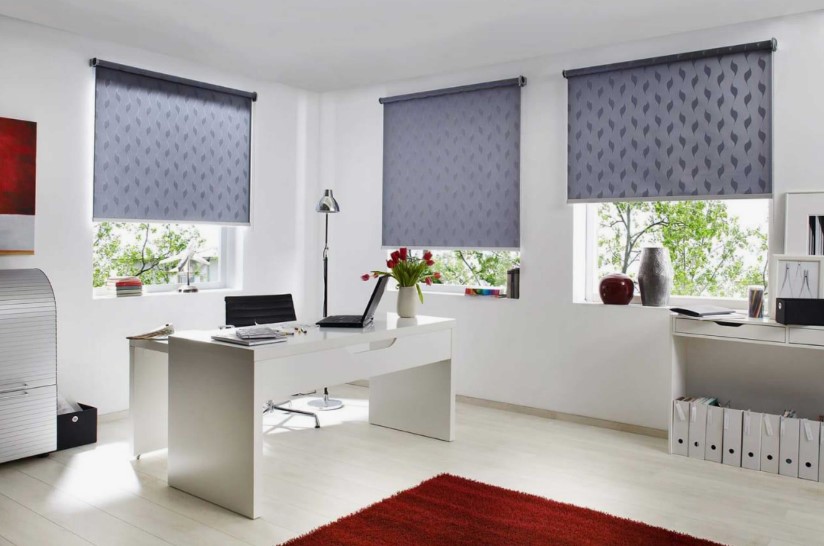
If you’re looking to enhance your home with shades or blinds that fit perfectly and meet your specific needs, opting for custom window treatments can be a game-changer. Custom shades and blinds provide a tailored solution that ensures both functionality and style, fitting seamlessly into your windows while complementing your décor. Here’s what you need to know about getting custom shades or blinds made to fit your windows. Why Choose Custom Window Treatments? Custom shades and blinds offer several advantages over off-the-shelf options. First and foremost, they are made to fit your exact window dimensions, ensuring a perfect fit and preventing light leaks or gaps. This precision not only enhances the appearance of your windows but also improves their functionality. Custom treatments also allow you to select from a wider range of fabrics, colors, and styles, creating a more personalized look that matches your home’s aesthetic. Benefits of Custom Shades and Blinds Perfect Fit:  Custom shades and blinds are measured and manufactured to your specific window size, ensuring a flawless fit. This eliminates the common issues of poorly fitting treatments and maximizes light control and privacy. Enhanced Functionality:  Custom options can be designed to accommodate unique window shapes, such as arches or angles, and to suit various mounting options, including inside or outside the frame. This versatility ensures that your window treatments work effectively in any setting. Fabric Barriers:  One significant advantage of custom shades and blinds is the ability to choose fabric barriers that meet your needs. Fabrics vary in terms of opacity and insulation, offering options such as blackout, light-filtering, and thermal materials. Blackout fabrics are ideal for rooms where total darkness is desired, such as bedrooms or media rooms. Light-filtering fabrics provide a balance by allowing natural light to enter while reducing glare, creating a more comfortable atmosphere. Style and Design:  With custom options, you can select from an extensive range of colors, patterns, and textures to match your interior décor. Whether you prefer the classic look of Roman shades, the sleek design of roller shades, or the practical functionality of Venetian blinds, custom treatments allow you to achieve the exact look and feel you desire. Quality and Durability:  Custom shades and blinds are often made with higher-quality materials and craftsmanship than standard options. This ensures greater durability and longevity, making your investment worthwhile over time. How to Get Custom Shades or Blinds Measure Your Windows:  Accurate measurements are crucial for custom window treatments. Measure the width and height of each window, considering whether you want an inside or outside mount. Select Your Style and Fabric:  Choose the style of shades or blinds that best fits your needs and décor. Then, select the fabric barrier that offers the desired level of light control and insulation. Consult a Professional:  Many companies offer consultations to help you choose the right options and take precise measurements. This ensures that your custom shades or blinds will be crafted to your exact specifications. Place Your Order:  Once you’ve made your selections and measurements, place your order for custom shades or blinds. The manufacturing process typically takes a few weeks, after which your custom treatments will be ready for installation. Conclusion Custom shades and blinds are a fantastic way to achieve a perfect fit and tailored functionality for your windows. By choosing custom options from Direct Shopfront, you ensure that your window treatments not only enhance your home’s aesthetic but also meet your specific needs for light control, privacy, and style. Explore the possibilities with Direct Shopfront and enjoy the benefits of a truly customized window treatment solution.

shades-and-blinds
Shades and Blinds

Shades vs. Blinds: Best for Light Control

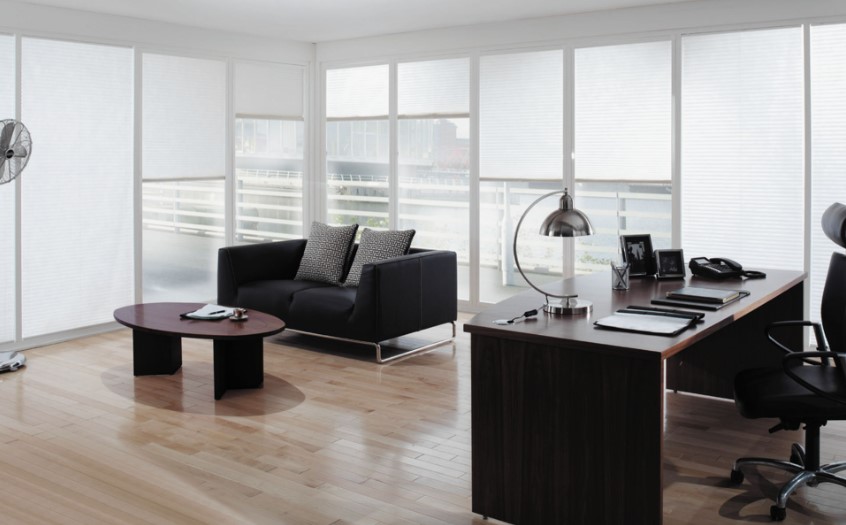
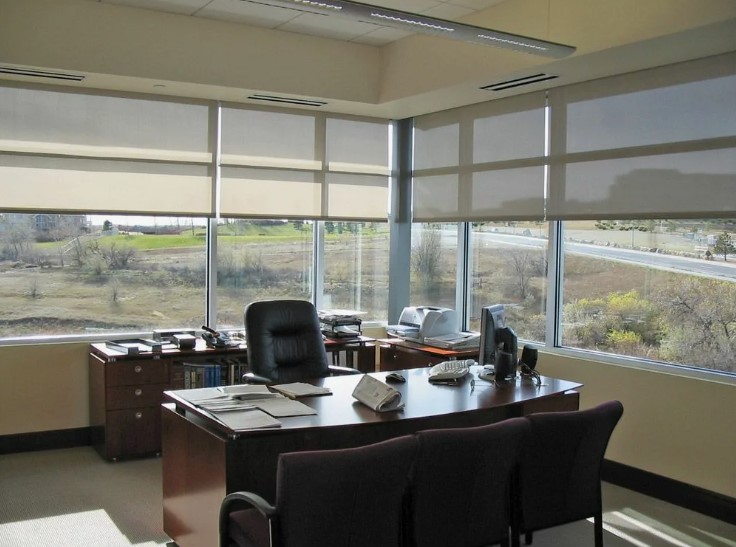
When it comes to managing natural light in your home, choosing between shades and blinds can significantly impact your comfort and energy efficiency. Both window treatments have their advantages, but understanding their differences can help you make an informed decision based on your specific needs. Here’s a breakdown of how shades and blinds perform in terms of light control and why one might be better suited for your space. Understanding Light Control Blinds and shades offer different approaches to controlling light. Blinds consist of slats or vanes that can be adjusted to direct light precisely. Shades, on the other hand, are typically made from a single piece of fabric or material that can be raised or lowered. Each type has unique benefits depending on how you want to manage light and privacy. Blinds: Precision and Flexibility Blinds are often favored for their precise control over light. The adjustable slats or vanes allow you to direct light in specific directions, creating different levels of illumination. This feature is particularly useful if you want to reduce glare from sunlight while maintaining an open view. Blinds also offer a range of materials, from wood and faux wood to aluminum, each providing different levels of opacity and light filtering. Horizontal Blinds:  Ideal for large windows and patio doors, they can be tilted to control the amount of light entering the room. Vertical Blinds:  Suitable for sliding doors or wide windows, they offer the same level of control with the added benefit of ease of operation. Shades: Soft and Versatile Shades offer a softer approach to light control. They come in various styles, including roller shades, cellular shades, and Roman shades. Each type of shade has different fabric barriers that can effectively manage light and privacy: Cellular Shades:  These shades have a honeycomb structure that not only provides insulation but also filters light softly. The fabric barriers trap air, reducing heat loss and providing a gentle light diffusion. Roller Shades:  Simple and sleek, roller shades can be adjusted to let in just the right amount of light. They come in various opacities, from sheer to blackout, allowing you to customize the light control to your preference. Roman Shades:  These add a touch of elegance and can be lined with different fabrics to control light levels. They offer a classic look while providing effective light management. Fabric Barriers and Light Control One significant factor in shades’ effectiveness is the type of fabric barrier used. At Direct Shopfront, fabrics vary in terms of opacity, insulation, and light filtration. For example, blackout fabrics block out all light, making them ideal for bedrooms or media rooms where total darkness is preferred. On the other hand, light-filtering fabrics allow natural light to enter while reducing glare, creating a more balanced and pleasant atmosphere. Conclusion When deciding between shades and blinds for light control, consider your specific needs and preferences. Blinds offer precise and adjustable light control with the flexibility of directing light in different ways. Shades, with their fabric barriers, provide a softer and more versatile approach to managing light and enhancing privacy. Both options have their advantages, and the best choice depends on your room’s function, aesthetic preferences, and desired level of light control.

layering-shades-and-blinds
Shades and Blinds

Layer Shades & Blinds for a Custom Look

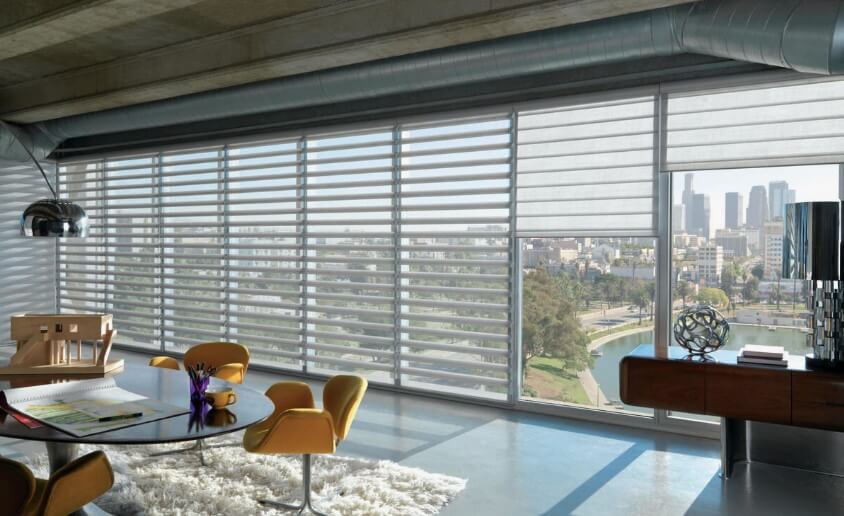
If you’re looking to enhance your windows with a stylish, functional approach, layering shades and blinds can be an excellent solution. Combining different types of window treatments not only allows for greater flexibility in light control and privacy but also adds depth and texture to your space. Here’s how you can effectively layer shades and blinds to achieve a personalized and polished look. Why Layer Shades and Blinds? Layering shades and blinds offers numerous benefits. It allows you to tailor your window treatments to your specific needs, whether that’s maximizing privacy, controlling light, or creating a unique aesthetic. This method also provides additional insulation and can help with energy efficiency, making your home more comfortable throughout the year. Choosing Your Layers When layering shades and blinds, the key is to select combinations that complement each other both functionally and visually. Here are some popular combinations: Blinds with Sheer Shades:  For a versatile approach, pair traditional blinds with sheer shades. The blinds offer precise light control and privacy, while the sheer shades diffuse natural light and soften the view. This combination works well in living rooms and bedrooms. Roman Shades with Roller Blinds:  Roman shades provide a classic, elegant look, and when layered with roller blinds, they offer excellent light control and privacy options. The roller blinds can be adjusted to block out light, while the Roman shades add a touch of sophistication. Cellular Shades with Venetian Blinds:  Cellular shades are great for insulation and energy efficiency, while Venetian blinds give you the flexibility to control light and privacy. Together, they create a well-rounded solution for various needs. Installation Tips To achieve the best results when layering shades and blinds, consider the following tips: Measure Accurately:  Measure your window dimensions carefully to ensure that both layers fit perfectly. The inner layer (typically the blinds) should be installed first, followed by the outer layer (the shades). Install in the Right Order:  Start by installing the blinds, as they need to be mounted directly to the window frame. Then, install the shades, making sure they are positioned so that they do not obstruct the blinds’ operation. Choose Complementary Colors and Patterns:  Select colors and patterns that work well together and enhance your room’s décor. Neutral tones can offer a subtle, sophisticated look, while bold patterns can make a statement. Consider Layering Techniques:  You can mount shades and blinds on the same hardware or use separate mounting brackets for a more distinct layered effect. Experiment with different configurations to find what works best for your space. Benefits of Layering Layering shades and blinds not only elevates your home’s aesthetic but also provides practical advantages. With Direct Shopfront, you can enhance light control, increase privacy, and potentially reduce energy costs by improving insulation. This approach also allows you to adapt your window treatments to changing needs and seasons. Conclusion Layering shades and blinds is a creative and functional way to customize your window treatments. By combining different types of window coverings, you can achieve a look that’s both stylish and practical. Whether you prefer a classic or contemporary design, layering offers flexibility and enhances your home’s overall comfort and appeal.

install-shades-and-blinds
Shades and Blinds

Can I install shades and blinds myself? – Direct Shopfront

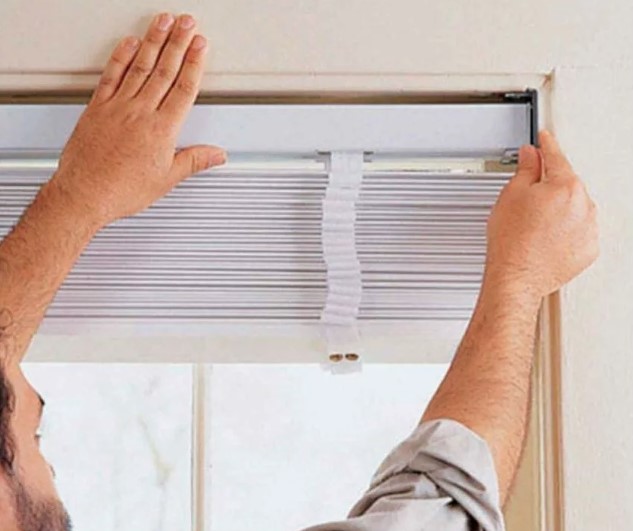
If you’re considering enhancing your windows with new install shades and blinds, you might wonder if this is a project you can tackle on your own. The good news is that installing shades and blinds is a DIY-friendly task, and with the right tools and guidance, you can achieve professional-looking results without needing to hire a professional. This guide will walk you through the process, offering tips to ensure a smooth installation. Why Install Shades and Blinds Yourself? Installing shades and blinds yourself can save you money and give you the satisfaction of completing a home improvement project on your own. It allows you to customize your window treatments according to your schedule and personal preferences. Plus, you’ll gain valuable skills that can be used in future projects around the home. Tools and Materials You’ll Need Before you begin, gather the necessary tools and materials. Here’s a checklist to get you started: Step 1: Measure Your Windows Accurate measurements are crucial for a successful installation. Measure the width and height of your window to ensure that your shades or blinds fit perfectly. If you’re mounting the shades inside the window frame, measure the inside dimensions. For outside mounts, measure the area you want to cover, adding a few extra inches on each side for better light control. Step 2: Mark the Placement Once you have your measurements, use a pencil to mark where the mounting brackets will be installed. Use a level to ensure your marks are straight, which will keep your shades or blinds aligned properly. This step is critical for an even and polished look. Step 3: Install the Mounting Brackets With your marks in place, you can now install the mounting brackets. Depending on the material of your window frame, you may need to pre-drill holes to avoid splitting the wood. Secure the brackets with screws, ensuring they are tight and sturdy enough to hold the weight of the shades or blinds. Step 4: Attach the Shades or Blinds After the brackets are installed, attach the shades or blinds according to the manufacturer’s instructions. This step usually involves snapping the shades or blinds into place or securing them with additional hardware. Make sure they operate smoothly by raising and lowering them a few times. Step 5: Final Adjustments Once installed, take a moment to make any final adjustments. Ensure that the shades or blinds are level and that the brackets are secure. If needed, tighten any screws or make slight modifications to improve the fit and function. Benefits of DIY Installation By installing your shades and blinds yourself, you gain control over the entire process. With Direct Shopfront, you can choose when and how the installation is done, without having to wait for an appointment. Additionally, the cost savings can be significant, especially if you have multiple windows to cover. Conclusion Installing shades and blinds yourself is a manageable project that can enhance the look and functionality of your home. With a few basic tools and a bit of patience, you can achieve a professional-quality installation. Whether you’re updating a single room or outfitting your entire home, taking on this project yourself is a rewarding and cost-effective solution.

shades-vs-blinds-whats-the-difference-direct-shopfront
Shades and Blinds

Shades vs. Blinds: What’s the Difference? – Direct Shopfront

When it comes to enhancing the look and functionality of your windows, choosing between shades and blinds can be a bit challenging. These two popular window treatments each offer unique benefits, and the right choice depends on your specific needs and style preferences. Additionally, options like Awnings and Dutch canopies can complement your window treatments, offering even more versatility. Let’s explore the differences between shades and blinds to help you make the best decision for your space. Shades: Sleek, Soft, and Stylish Shades are a type of window covering made from a single piece of fabric or material that can be rolled up or down. They are known for their smooth and streamlined appearance, which adds a touch of elegance to any room. There are various styles of shades available, including roller shades, Roman shades, and cellular shades, each with its own distinct look and function. Privacy and Light Control:  Shades are perfect for those who prioritize privacy and light control. Depending on the material, shades can block out light entirely, filter it softly, or offer complete blackout options. This makes them ideal for bedrooms, nurseries, and media rooms where controlling light is essential. Energy Efficiency:  Certain types of shades, such as cellular shades, are designed to enhance energy efficiency by providing insulation. The honeycomb structure of cellular shades traps air, helping to keep your home warm in the winter and cool in the summer, reducing energy costs. Aesthetic Flexibility:  Shades come in a wide range of fabrics, colors, and textures, allowing you to choose the perfect look for your home. Whether you prefer a modern, minimalist style or a more traditional, luxurious feel, shades can be customized to match your interior design. Blinds: Versatile, Durable, and Functional Blinds, in contrast, are composed of horizontal or vertical slats that can be adjusted to control light and privacy. Typically made from materials like wood, faux wood, aluminum, or vinyl, blinds offer a more structured and angular look compared to shades. Precise Light Control:  One of the key advantages of blinds is their ability to provide precise control over the amount of light entering a room. The slats can be tilted to allow varying degrees of light, making blinds a great option for living rooms, kitchens, and offices where light levels may need to be adjusted throughout the day. Easy Maintenance:  Blinds are known for their durability and ease of maintenance. They are simple to clean, often requiring just a quick wipe with a damp cloth, making them an excellent choice for high-traffic areas or homes with pets and children. Variety and Customization:  Blinds are available in a wide array of styles, such as Venetian blinds, vertical blinds, and mini blinds. They can be customized to fit any window size or shape, offering both functionality and style. Enhancing Your Window Treatments with Awnings and Dutch Canopies Beyond shades and blinds, adding awnings or Wedge Canopies can elevate the exterior appearance of your home while providing additional protection from the elements. Awnings are great for shading outdoor spaces and protecting windows from direct sunlight, which can reduce indoor heat and protect your interiors from UV damage. Dutch canopies, with their distinctive rounded shape, add a charming and traditional look to your windows while offering shade and protection. Making the Right Choice Choosing between shades and blinds comes down to your specific needs and preferences. If you desire a sleek, modern look with maximum privacy and light control, shades may be the perfect fit. On the other hand, if you need a durable, low-maintenance solution with precise light control, blinds are an excellent choice. Enhancing your home with awnings or Dutch Canopies can also add a unique touch of style and functionality. At Direct Shopfront, we offer a comprehensive selection of shades, blinds, awnings, and Dutch canopies to suit any home or business. Whether you’re looking to enhance your interior or exterior spaces, our expert team is here to help you find the perfect solution.

shopfronts-installation
Shopfront

Reliable Shopfront Installers in London

Finding a reliable contractor for shopfront installation in London involves several key steps to ensure you get quality work and a stress-free experience. Here’s a guide to help you navigate the process and secure a top-notch service provider. Define Your Needs Before you start searching for a contractor, clearly define what you need for your shopfront installation. Consider factors such as the design, materials, and any specific features you want. This will help you communicate your requirements effectively and ensure you find a contractor who can meet your expectations. Research Local Contractors Begin by researching contractors in London who specialize in shopfront installations. Utilize online resources such as search engines and local business directories. Look for companies with a strong online presence and positive reviews. Pay attention to feedback from previous clients regarding the quality of work, reliability, and professionalism. Check Qualifications and Experience Ensure the contractors you are considering have the necessary qualifications and experience. Check if they are licensed and insured, which protects you in case of any accidents or damages during the installation. A contractor with substantial experience in shopfront installations will be more adept at handling various challenges and providing high-quality results. Review Portfolios and References Ask potential contractors for portfolios of their previous work. Reviewing their past projects can give you an idea of their craftsmanship and style. Additionally, request references from past clients. Contact these references to gain insight into the contractor’s work ethic, reliability, and ability to meet deadlines. Get Multiple Quotes Obtain detailed quotes from several contractors to compare costs and services. Ensure that each quote includes a breakdown of materials, labor, and any additional charges. This will help you understand the market rate and make an informed decision. Be wary of quotes that seem unusually low, as they may indicate subpar quality or hidden costs. Assess Communication and Professionalism Effective communication is crucial for a successful installation project. Choose a contractor who listens to your ideas, answers your questions, and provides clear explanations. Professionalism in their approach and responsiveness can be a good indicator of their commitment to delivering a quality service. Review the Contract Thoroughly Before finalizing your choice, carefully review the contract. Ensure it includes all agreed-upon details, such as project timelines, payment terms, and warranties. A well-drafted contract helps prevent misunderstandings and provides legal protection if issues arise. By following these steps, you can find a reliable contractor for shopfront installation in London who will deliver excellent results and make the process smooth and hassle-free.

shopfronts
Shopfront

Financial Incentives for Shopfront Upgrades

Upgrading a Shopfront can significantly enhance the appeal of your business and attract more customers. Fortunately, there are various financial incentives and grants available to support these improvements. These programs are designed to help businesses enhance their exterior appearances, boost their competitiveness, and ultimately contribute to the local economy. Here’s a guide to understanding the financial support available for upgrading shopfronts. Financial Incentives Government Grants and Funding Programs Many governments offer grants and funding programs specifically for businesses looking to upgrade their shopfronts. These programs are often aimed at revitalizing commercial areas, improving urban aesthetics, and encouraging economic development. To access these funds, businesses usually need to demonstrate how the upgrade will benefit the community and enhance their operations. Eligibility criteria can vary, so it’s crucial to research local government resources or consult with business advisors to identify the most suitable opportunities. Local Business Improvement Districts (BIDs) Business Improvement Districts (BIDs) are another source of financial support for shopfront upgrades. BIDs are areas where businesses collectively invest in local improvements, including shopfront renovations. Funds are typically generated through a levy on businesses within the district. In return, businesses may receive grants or subsidies to enhance their shopfronts. BIDs often have specific guidelines and application processes, so engaging with your local BID association can provide valuable insights and access to funding. Tax Incentives In some regions, tax incentives are available for businesses that invest in property improvements, including shopfront upgrades. These incentives can come in the form of tax credits, deductions, or rebates. By improving your shopfront, you may qualify for reduced tax liabilities, which can help offset the costs of renovation. It’s advisable to consult with a tax professional or financial advisor to understand the specific tax benefits applicable to your situation. Private Sector and Community Grants Private sector organizations and community foundations sometimes offer grants to support local businesses. These grants can be targeted at specific types of improvements, including shopfront upgrades. To find such opportunities, keep an eye on announcements from local chambers of commerce, industry associations, and community development organizations. Applying for these grants typically involves submitting a proposal outlining the scope of the project and its potential impact on the community. Energy Efficiency Programs If your Shopfront upgrade includes energy-efficient improvements. Such as better insulation or LED lighting. You might be eligible for energy efficiency grants or rebates. These programs are designed to encourage businesses to adopt sustainable practices, which can also lower your long-term operating costs. Check with local energy providers or environmental agencies to find relevant programs. Upgrading your shopfront can be a significant investment, but with the right financial incentives and grants, it can become a more manageable and rewarding endeavor. Be proactive in researching and applying for available support to make the most of these opportunities and enhance the success of your business.

Shopfronts
Shopfront

Common Shopfront Materials in London

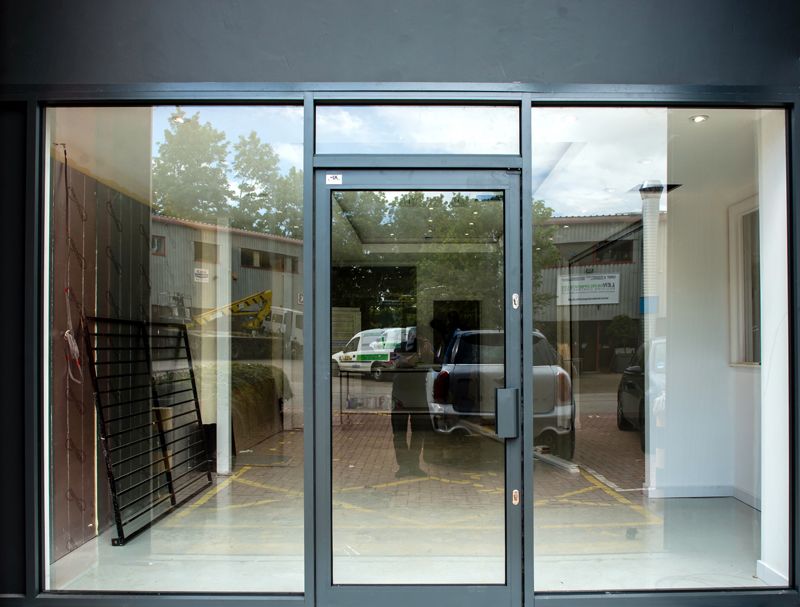
When it comes to designing a shopfront in London. The materials you choose play a crucial role in creating a first impression. A well-crafted shopfront not only attracts potential customers but also sets the tone for the business inside. The right choice of materials can enhance the aesthetic appeal. Durability. And functionality of your storefront. Here’s a look at some of the most commonly used materials for shopfronts in London. Common Shopfront Materials Glass: Modern and Sleek Glass is one of the most popular choices for shopfronts in London, especially for businesses looking to create a modern, transparent, and open feel. Glass shopfronts allow for maximum visibility, making it easier for passersby to see the products or services offered. This material is not only sleek but also versatile, as it can be customized with frosting, tinting, or even decorative elements to suit your brand’s identity. Toughened glass, often used for its safety features, ensures that the shopfront is resistant to impacts and breakages, providing both security and durability. Aluminium: Durable and Low Maintenance Aluminium is another widely used material for shopfronts in London. Its popularity stems from its durability, lightweight nature, and resistance to corrosion. Aluminium shopfronts are available in a variety of finishes, including powder coating, which allows for a wide range of colors to match your brand’s aesthetics. Additionally, aluminium is low maintenance and can withstand the city’s unpredictable weather, making it a practical choice for many business owners. Timber: Classic and Elegant For those looking to create a more traditional or rustic look, timber is a go-to material. Wooden shopfronts exude warmth and character, making them ideal for boutique stores, cafes, and other businesses that want to convey a sense of heritage or craftsmanship. While timber requires more maintenance than other materials, such as regular painting or varnishing to protect against weathering, its timeless appeal can significantly enhance the curb appeal of your shop. Steel: Strong and Secure Steel is the material of choice for businesses that prioritize security. Steel shopfronts are robust, offering high resistance to forced entry and vandalism. Despite its strength, steel can be designed to look stylish, with various finishes available to create a sleek, contemporary appearance. Steel is particularly favored in areas of London where security is a major concern, without compromising on the aesthetic aspect. Composite Materials: The Best of Both Worlds Composite materials combine the strengths of various elements, such as aluminium and timber, to offer a balanced solution for shopfronts. These materials are engineered to provide durability, weather resistance, and aesthetic appeal while often being more cost-effective. Composite shopfronts can be customized to mimic the appearance of more expensive materials, making them a versatile option for businesses of all sizes. Conclusion In London’s diverse and vibrant commercial landscape. The choice of shopfront in London materials is a key factor in defining your business’s identity. Whether you prefer the modern transparency of glass. The durability of aluminium. The classic elegance of timber. The security of steel. Or the versatility of composite materials. Selecting the right shopfront material will ensure your business stands out and attracts the right customers. Invest in a shopfront that not only enhances your brand image but also meets the practical needs of your business in one of the world’s most dynamic cities.

commercial-shopfront-installation
Shopfront

London Shopfront Installation Costs

When considering the commercial shopfront installation in London, understanding the costs involved is crucial. London, being a bustling metropolitan city with a competitive retail market, demands high-quality and visually appealing shopfronts. The cost of installing a commercial shopfront can vary significantly depending on several factors. In this guide, we’ll explore the key elements that influence the cost and provide you with a clearer picture of what to expect. Factors Influencing Shopfront Installation Costs Type of Shopfront:  The type of shopfront you choose plays a significant role in determining the overall cost. Common options include aluminum, glass, steel, and wooden shopfronts. Aluminum and glass shopfronts are popular choices in London due to their modern aesthetic, durability, and low maintenance. Aluminum shopfronts typically cost between £700 to £1,500 per square meter, while glass shopfronts can range from £1,000 to £2,000 per square meter. Steel and wooden options may cost more due to the additional craftsmanship and material costs. Design and Customization:  Custom designs and intricate details can increase the cost of your shopfront installation. If your business requires a bespoke design to stand out in London’s competitive market, be prepared to invest more. Custom glass engravings, unique framing, and specialized finishes will add to the overall expense, potentially increasing costs by 20% to 50% compared to standard options. Size and Complexity:  The size and complexity of your shopfront installation also impact the final cost. Larger shopfronts naturally require more materials and labor, which will increase the overall price. Additionally, complex installations that involve curves, angles, or multi-story facades will demand more skilled labor, further driving up costs. Installation and Labor Costs:  Labor costs in London are generally higher compared to other parts of the UK. The installation process requires skilled professionals, particularly if you opt for high-end materials like glass or aluminum. On average, labor costs can range from £200 to £500 per day, depending on the complexity of the job and the experience of the installation team. Planning and Permits:  In some cases, especially in historical areas of London, you may need to obtain planning permission before installing a new shopfront. The cost of obtaining these permits and the associated legal fees should also be factored into your budget. Average Cost Overview Taking all factors into account, the total cost for a commercial shopfront installation in London can range from £3,000 to £20,000 or more. This range includes basic installations on smaller shops to more elaborate designs for larger commercial spaces. Conclusion Investing in a high-quality shopfront in London is essential for attracting customers and standing out in a crowded market. While the costs can vary depending on your specific needs, understanding the key factors can help you budget effectively. Whether you’re a small business owner or managing a large retail space, a well-designed shopfront is a worthwhile investment that can enhance your brand’s image and draw in foot traffic.

commercial-shopfront
Commercial Shopfront

Types of Commercial Shopfronts in London

London, a global hub of commerce, culture, and creativity, is home to an eclectic mix of businesses, each requiring a distinctive and appealing shopfront to attract customers. Whether you’re opening a trendy boutique, a cozy café, or a modern office space, choosing the right commercial shopfront in London is crucial for setting the tone of your business. This guide explores the various types of shopfronts available in London, each offering unique advantages tailored to different commercial needs. Types of Commercial Shopfronts Glass Shopfronts Glass shopfronts are a popular choice in London, especially for businesses that want to create an open, welcoming atmosphere. These shopfronts offer a sleek, modern appearance and allow passersby to see directly into the store, making them ideal for retail shops, showrooms, and galleries. The transparency of glass maximizes natural light, enhancing the interior’s appeal and potentially reducing energy costs. In London, you’ll find frameless glass options that add a minimalist and sophisticated touch, as well as framed glass designs that offer more structure while still maintaining an elegant look. Aluminium Shopfronts Durability and versatility make aluminium shopfronts a top choice for many London businesses. These shopfronts can be customized with different colors and finishes to match your brand’s aesthetic. Aluminium is lightweight yet strong, offering excellent security and resistance to weather, making it suitable for the unpredictable British climate. Additionally, aluminium shopfronts are low-maintenance and can be integrated with glass panels for a modern, industrial look that appeals to contemporary tastes. Timber Shopfronts For businesses looking to create a warm, inviting atmosphere, timber shopfronts are an excellent option. They are particularly popular in London’s historic districts, where maintaining the traditional aesthetic is essential. Timber offers a classic, timeless look that can be customized with various stains, paints, and finishes to suit your business’s personality. Despite the rise of modern materials, timber shopfronts remain a favorite for boutique shops, artisanal stores, and cafes that want to evoke a sense of heritage and charm. Steel Shopfronts Steel shopfronts are synonymous with strength and security. These are often used in London for businesses that require a robust barrier, such as banks, high-end retail stores, and commercial spaces in areas with higher security concerns. Steel shopfronts can be powder-coated in various colors to match your branding, offering both practicality and aesthetic appeal. Despite their solid appearance, modern steel shopfronts can be designed to be visually appealing and are often combined with glass elements to soften their look. UPVC Shopfronts UPVC (Unplasticized Polyvinyl Chloride) shopfronts are gaining popularity due to their affordability and low maintenance. This material is resistant to weathering, corrosion, and pollution, making it ideal for London’s busy urban environment. UPVC shopfronts are available in a wide range of styles and colors, offering flexibility in design. They are a great choice for businesses looking for a cost-effective, yet attractive, shopfront solution. Conclusion Selecting the right Commercial Shopfronts for your business in London is more than just a design choice—it’s a strategic decision that can impact your brand’s visibility and customer engagement. Whether you opt for the modern elegance of glass, the sturdy resilience of steel, the classic charm of timber, or the versatility of aluminium and UPVC, each type of shopfront offers distinct advantages. Consider your business’s needs, location, and target audience when choosing the perfect shopfront to ensure that it not only draws in customers but also enhances your business’s identity in the bustling city of London.