Shades and Blinds

custom-shades-or-blinds
Shades and Blinds

Can I get custom shades or blinds to fit windows? – Direct Shopfront

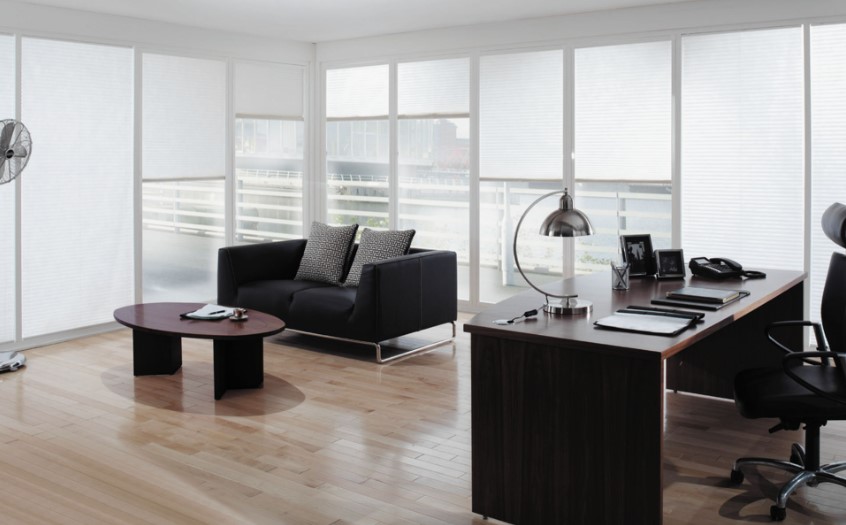
If you’re looking to enhance your home with shades or blinds that fit perfectly and meet your specific needs, opting for custom window treatments can be a game-changer. Custom shades and blinds provide a tailored solution that ensures both functionality and style, fitting seamlessly into your windows while complementing your décor. Here’s what you need to know about getting custom shades or blinds made to fit your windows. Why Choose Custom Window Treatments? Custom shades and blinds offer several advantages over off-the-shelf options. First and foremost, they are made to fit your exact window dimensions, ensuring a perfect fit and preventing light leaks or gaps. This precision not only enhances the appearance of your windows but also improves their functionality. Custom treatments also allow you to select from a wider range of fabrics, colors, and styles, creating a more personalized look that matches your home’s aesthetic. Benefits of Custom Shades and Blinds Perfect Fit:  Custom shades and blinds are measured and manufactured to your specific window size, ensuring a flawless fit. This eliminates the common issues of poorly fitting treatments and maximizes light control and privacy. Enhanced Functionality:  Custom options can be designed to accommodate unique window shapes, such as arches or angles, and to suit various mounting options, including inside or outside the frame. This versatility ensures that your window treatments work effectively in any setting. Fabric Barriers:  One significant advantage of custom shades and blinds is the ability to choose fabric barriers that meet your needs. Fabrics vary in terms of opacity and insulation, offering options such as blackout, light-filtering, and thermal materials. Blackout fabrics are ideal for rooms where total darkness is desired, such as bedrooms or media rooms. Light-filtering fabrics provide a balance by allowing natural light to enter while reducing glare, creating a more comfortable atmosphere. Style and Design:  With custom options, you can select from an extensive range of colors, patterns, and textures to match your interior décor. Whether you prefer the classic look of Roman shades, the sleek design of roller shades, or the practical functionality of Venetian blinds, custom treatments allow you to achieve the exact look and feel you desire. Quality and Durability:  Custom shades and blinds are often made with higher-quality materials and craftsmanship than standard options. This ensures greater durability and longevity, making your investment worthwhile over time. How to Get Custom Shades or Blinds Measure Your Windows:  Accurate measurements are crucial for custom window treatments. Measure the width and height of each window, considering whether you want an inside or outside mount. Select Your Style and Fabric:  Choose the style of shades or blinds that best fits your needs and décor. Then, select the fabric barrier that offers the desired level of light control and insulation. Consult a Professional:  Many companies offer consultations to help you choose the right options and take precise measurements. This ensures that your custom shades or blinds will be crafted to your exact specifications. Place Your Order:  Once you’ve made your selections and measurements, place your order for custom shades or blinds. The manufacturing process typically takes a few weeks, after which your custom treatments will be ready for installation. Conclusion Custom shades and blinds are a fantastic way to achieve a perfect fit and tailored functionality for your windows. By choosing custom options from Direct Shopfront, you ensure that your window treatments not only enhance your home’s aesthetic but also meet your specific needs for light control, privacy, and style. Explore the possibilities with Direct Shopfront and enjoy the benefits of a truly customized window treatment solution.
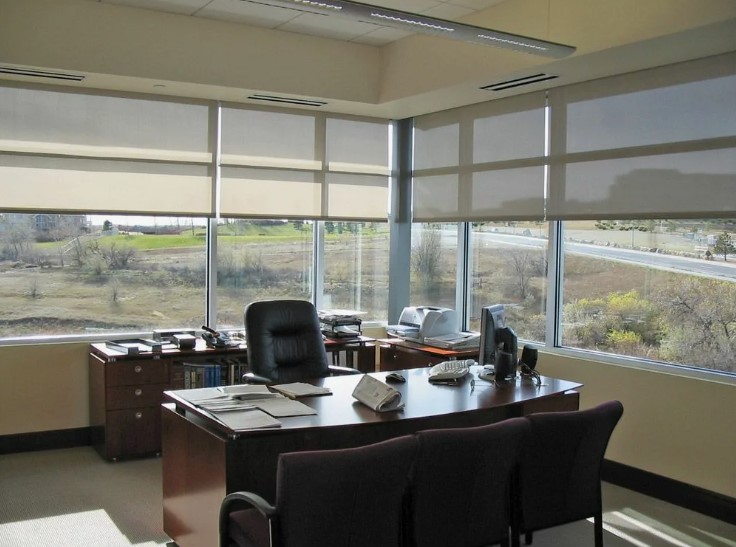
shades-and-blinds
Shades and Blinds

Shades vs. Blinds: Best for Light Control

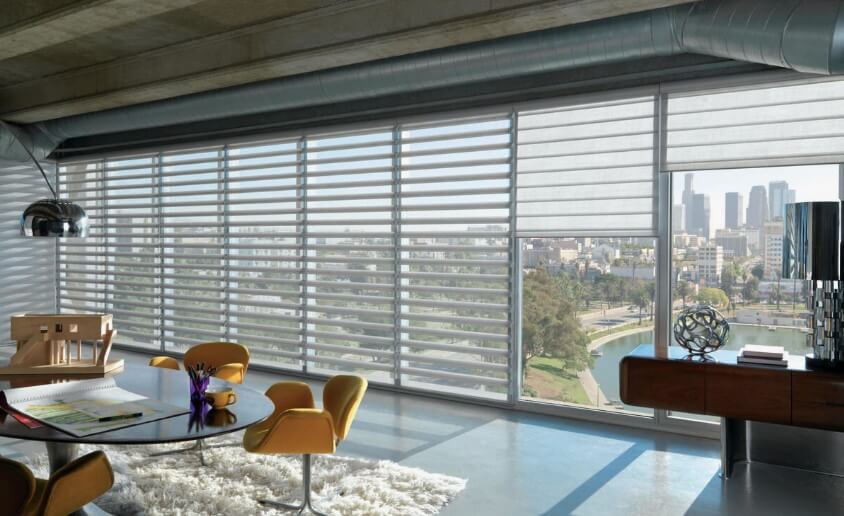
When it comes to managing natural light in your home, choosing between shades and blinds can significantly impact your comfort and energy efficiency. Both window treatments have their advantages, but understanding their differences can help you make an informed decision based on your specific needs. Here’s a breakdown of how shades and blinds perform in terms of light control and why one might be better suited for your space. Understanding Light Control Blinds and shades offer different approaches to controlling light. Blinds consist of slats or vanes that can be adjusted to direct light precisely. Shades, on the other hand, are typically made from a single piece of fabric or material that can be raised or lowered. Each type has unique benefits depending on how you want to manage light and privacy. Blinds: Precision and Flexibility Blinds are often favored for their precise control over light. The adjustable slats or vanes allow you to direct light in specific directions, creating different levels of illumination. This feature is particularly useful if you want to reduce glare from sunlight while maintaining an open view. Blinds also offer a range of materials, from wood and faux wood to aluminum, each providing different levels of opacity and light filtering. Horizontal Blinds:  Ideal for large windows and patio doors, they can be tilted to control the amount of light entering the room. Vertical Blinds:  Suitable for sliding doors or wide windows, they offer the same level of control with the added benefit of ease of operation. Shades: Soft and Versatile Shades offer a softer approach to light control. They come in various styles, including roller shades, cellular shades, and Roman shades. Each type of shade has different fabric barriers that can effectively manage light and privacy: Cellular Shades:  These shades have a honeycomb structure that not only provides insulation but also filters light softly. The fabric barriers trap air, reducing heat loss and providing a gentle light diffusion. Roller Shades:  Simple and sleek, roller shades can be adjusted to let in just the right amount of light. They come in various opacities, from sheer to blackout, allowing you to customize the light control to your preference. Roman Shades:  These add a touch of elegance and can be lined with different fabrics to control light levels. They offer a classic look while providing effective light management. Fabric Barriers and Light Control One significant factor in shades’ effectiveness is the type of fabric barrier used. At Direct Shopfront, fabrics vary in terms of opacity, insulation, and light filtration. For example, blackout fabrics block out all light, making them ideal for bedrooms or media rooms where total darkness is preferred. On the other hand, light-filtering fabrics allow natural light to enter while reducing glare, creating a more balanced and pleasant atmosphere. Conclusion When deciding between shades and blinds for light control, consider your specific needs and preferences. Blinds offer precise and adjustable light control with the flexibility of directing light in different ways. Shades, with their fabric barriers, provide a softer and more versatile approach to managing light and enhancing privacy. Both options have their advantages, and the best choice depends on your room’s function, aesthetic preferences, and desired level of light control.

layering-shades-and-blinds
Shades and Blinds

Layer Shades & Blinds for a Custom Look

If you’re looking to enhance your windows with a stylish, functional approach, layering shades and blinds can be an excellent solution. Combining different types of window treatments not only allows for greater flexibility in light control and privacy but also adds depth and texture to your space. Here’s how you can effectively layer shades and blinds to achieve a personalized and polished look. Why Layer Shades and Blinds? Layering shades and blinds offers numerous benefits. It allows you to tailor your window treatments to your specific needs, whether that’s maximizing privacy, controlling light, or creating a unique aesthetic. This method also provides additional insulation and can help with energy efficiency, making your home more comfortable throughout the year. Choosing Your Layers When layering shades and blinds, the key is to select combinations that complement each other both functionally and visually. Here are some popular combinations: Blinds with Sheer Shades:  For a versatile approach, pair traditional blinds with sheer shades. The blinds offer precise light control and privacy, while the sheer shades diffuse natural light and soften the view. This combination works well in living rooms and bedrooms. Roman Shades with Roller Blinds:  Roman shades provide a classic, elegant look, and when layered with roller blinds, they offer excellent light control and privacy options. The roller blinds can be adjusted to block out light, while the Roman shades add a touch of sophistication. Cellular Shades with Venetian Blinds:  Cellular shades are great for insulation and energy efficiency, while Venetian blinds give you the flexibility to control light and privacy. Together, they create a well-rounded solution for various needs. Installation Tips To achieve the best results when layering shades and blinds, consider the following tips: Measure Accurately:  Measure your window dimensions carefully to ensure that both layers fit perfectly. The inner layer (typically the blinds) should be installed first, followed by the outer layer (the shades). Install in the Right Order:  Start by installing the blinds, as they need to be mounted directly to the window frame. Then, install the shades, making sure they are positioned so that they do not obstruct the blinds’ operation. Choose Complementary Colors and Patterns:  Select colors and patterns that work well together and enhance your room’s décor. Neutral tones can offer a subtle, sophisticated look, while bold patterns can make a statement. Consider Layering Techniques:  You can mount shades and blinds on the same hardware or use separate mounting brackets for a more distinct layered effect. Experiment with different configurations to find what works best for your space. Benefits of Layering Layering shades and blinds not only elevates your home’s aesthetic but also provides practical advantages. With Direct Shopfront, you can enhance light control, increase privacy, and potentially reduce energy costs by improving insulation. This approach also allows you to adapt your window treatments to changing needs and seasons. Conclusion Layering shades and blinds is a creative and functional way to customize your window treatments. By combining different types of window coverings, you can achieve a look that’s both stylish and practical. Whether you prefer a classic or contemporary design, layering offers flexibility and enhances your home’s overall comfort and appeal.

install-shades-and-blinds
Shades and Blinds

Can I install shades and blinds myself? – Direct Shopfront

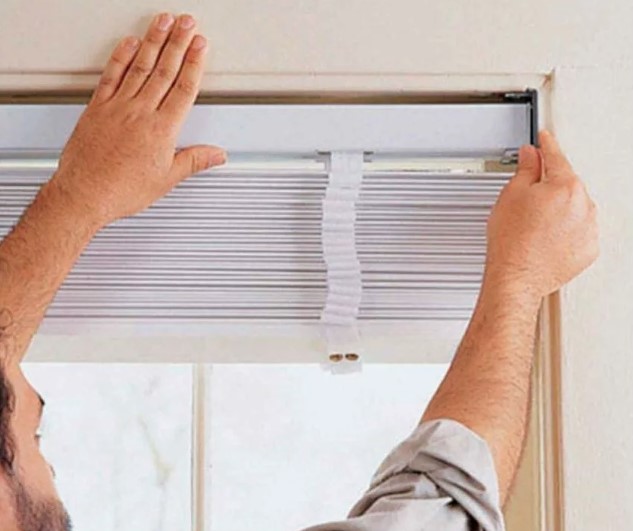
If you’re considering enhancing your windows with new install shades and blinds, you might wonder if this is a project you can tackle on your own. The good news is that installing shades and blinds is a DIY-friendly task, and with the right tools and guidance, you can achieve professional-looking results without needing to hire a professional. This guide will walk you through the process, offering tips to ensure a smooth installation. Why Install Shades and Blinds Yourself? Installing shades and blinds yourself can save you money and give you the satisfaction of completing a home improvement project on your own. It allows you to customize your window treatments according to your schedule and personal preferences. Plus, you’ll gain valuable skills that can be used in future projects around the home. Tools and Materials You’ll Need Before you begin, gather the necessary tools and materials. Here’s a checklist to get you started: Step 1: Measure Your Windows Accurate measurements are crucial for a successful installation. Measure the width and height of your window to ensure that your shades or blinds fit perfectly. If you’re mounting the shades inside the window frame, measure the inside dimensions. For outside mounts, measure the area you want to cover, adding a few extra inches on each side for better light control. Step 2: Mark the Placement Once you have your measurements, use a pencil to mark where the mounting brackets will be installed. Use a level to ensure your marks are straight, which will keep your shades or blinds aligned properly. This step is critical for an even and polished look. Step 3: Install the Mounting Brackets With your marks in place, you can now install the mounting brackets. Depending on the material of your window frame, you may need to pre-drill holes to avoid splitting the wood. Secure the brackets with screws, ensuring they are tight and sturdy enough to hold the weight of the shades or blinds. Step 4: Attach the Shades or Blinds After the brackets are installed, attach the shades or blinds according to the manufacturer’s instructions. This step usually involves snapping the shades or blinds into place or securing them with additional hardware. Make sure they operate smoothly by raising and lowering them a few times. Step 5: Final Adjustments Once installed, take a moment to make any final adjustments. Ensure that the shades or blinds are level and that the brackets are secure. If needed, tighten any screws or make slight modifications to improve the fit and function. Benefits of DIY Installation By installing your shades and blinds yourself, you gain control over the entire process. With Direct Shopfront, you can choose when and how the installation is done, without having to wait for an appointment. Additionally, the cost savings can be significant, especially if you have multiple windows to cover. Conclusion Installing shades and blinds yourself is a manageable project that can enhance the look and functionality of your home. With a few basic tools and a bit of patience, you can achieve a professional-quality installation. Whether you’re updating a single room or outfitting your entire home, taking on this project yourself is a rewarding and cost-effective solution.

shades-vs-blinds-whats-the-difference-direct-shopfront
Shades and Blinds

Shades vs. Blinds: What’s the Difference? – Direct Shopfront

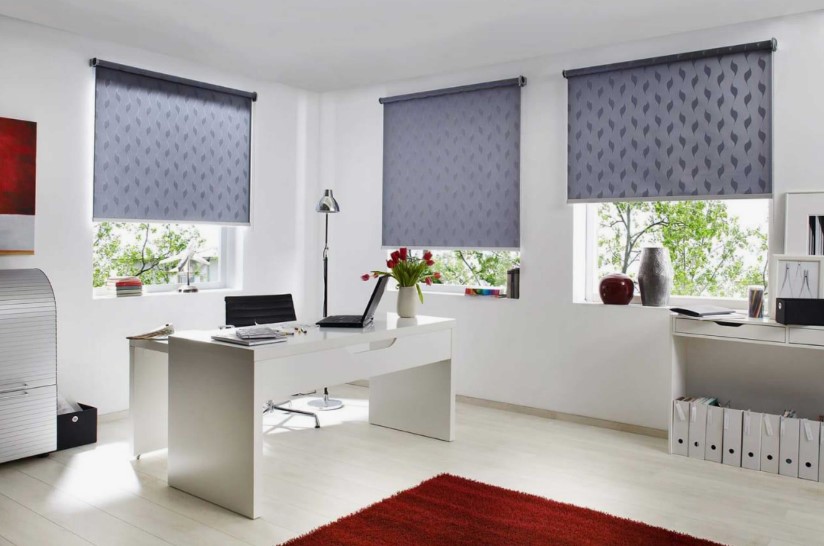
When it comes to enhancing the look and functionality of your windows, choosing between shades and blinds can be a bit challenging. These two popular window treatments each offer unique benefits, and the right choice depends on your specific needs and style preferences. Additionally, options like Awnings and Dutch canopies can complement your window treatments, offering even more versatility. Let’s explore the differences between shades and blinds to help you make the best decision for your space. Shades: Sleek, Soft, and Stylish Shades are a type of window covering made from a single piece of fabric or material that can be rolled up or down. They are known for their smooth and streamlined appearance, which adds a touch of elegance to any room. There are various styles of shades available, including roller shades, Roman shades, and cellular shades, each with its own distinct look and function. Privacy and Light Control:  Shades are perfect for those who prioritize privacy and light control. Depending on the material, shades can block out light entirely, filter it softly, or offer complete blackout options. This makes them ideal for bedrooms, nurseries, and media rooms where controlling light is essential. Energy Efficiency:  Certain types of shades, such as cellular shades, are designed to enhance energy efficiency by providing insulation. The honeycomb structure of cellular shades traps air, helping to keep your home warm in the winter and cool in the summer, reducing energy costs. Aesthetic Flexibility:  Shades come in a wide range of fabrics, colors, and textures, allowing you to choose the perfect look for your home. Whether you prefer a modern, minimalist style or a more traditional, luxurious feel, shades can be customized to match your interior design. Blinds: Versatile, Durable, and Functional Blinds, in contrast, are composed of horizontal or vertical slats that can be adjusted to control light and privacy. Typically made from materials like wood, faux wood, aluminum, or vinyl, blinds offer a more structured and angular look compared to shades. Precise Light Control:  One of the key advantages of blinds is their ability to provide precise control over the amount of light entering a room. The slats can be tilted to allow varying degrees of light, making blinds a great option for living rooms, kitchens, and offices where light levels may need to be adjusted throughout the day. Easy Maintenance:  Blinds are known for their durability and ease of maintenance. They are simple to clean, often requiring just a quick wipe with a damp cloth, making them an excellent choice for high-traffic areas or homes with pets and children. Variety and Customization:  Blinds are available in a wide array of styles, such as Venetian blinds, vertical blinds, and mini blinds. They can be customized to fit any window size or shape, offering both functionality and style. Enhancing Your Window Treatments with Awnings and Dutch Canopies Beyond shades and blinds, adding awnings or Wedge Canopies can elevate the exterior appearance of your home while providing additional protection from the elements. Awnings are great for shading outdoor spaces and protecting windows from direct sunlight, which can reduce indoor heat and protect your interiors from UV damage. Dutch canopies, with their distinctive rounded shape, add a charming and traditional look to your windows while offering shade and protection. Making the Right Choice Choosing between shades and blinds comes down to your specific needs and preferences. If you desire a sleek, modern look with maximum privacy and light control, shades may be the perfect fit. On the other hand, if you need a durable, low-maintenance solution with precise light control, blinds are an excellent choice. Enhancing your home with awnings or Dutch Canopies can also add a unique touch of style and functionality. At Direct Shopfront, we offer a comprehensive selection of shades, blinds, awnings, and Dutch canopies to suit any home or business. Whether you’re looking to enhance your interior or exterior spaces, our expert team is here to help you find the perfect solution.