Explore the Versatility of Selective Pallet Racking Systems
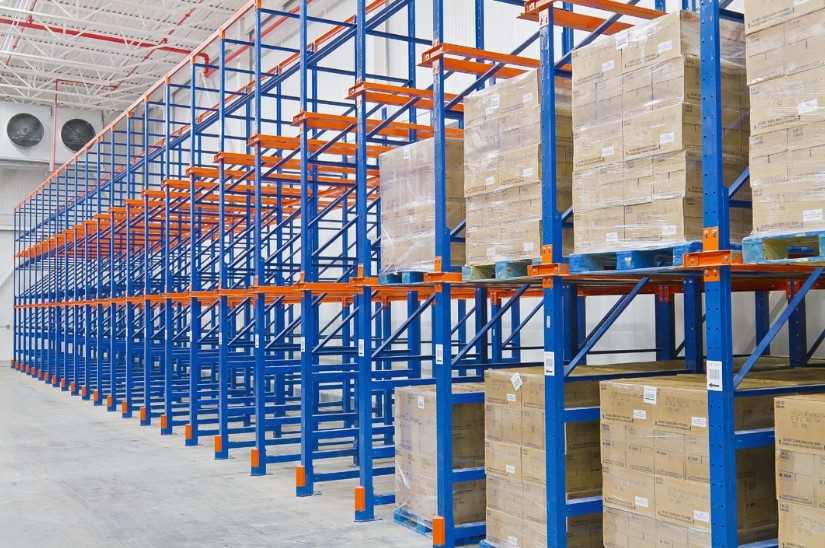
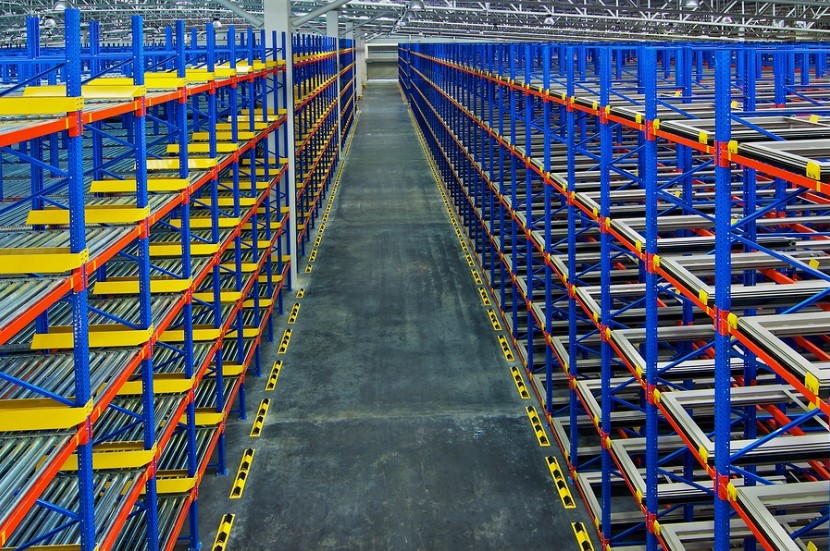
Pallet racking systems are integral to efficient warehouse management, enabling businesses to optimize storage space and streamline inventory handling. With various types of pallet racking systems available, choosing the right one can significantly impact operational efficiency. Here’s a detailed overview of the most popular pallet racking systems and their benefits. Selective Pallet Racking Selective pallet racking is the most common and versatile type of racking system. It provides direct access to every pallet, making it ideal for warehouses with diverse inventory and high turnover rates. This system is highly flexible, allowing for easy reconfiguration and expansion as storage needs evolve. Selective racking is suitable for both small and large warehouses, offering a balance between accessibility and storage density. Drive-In/Drive-Through Racking Drive-in and drive-through racking systems are designed for high-density storage, making them perfect for warehouses with large quantities of similar products. In a drive-in system, forklifts drive into the racking structure from one side to store and retrieve pallets. Drive-through racking allows access from both sides, providing greater flexibility and efficiency. Both systems support a last-in, first-out (LIFO) inventory management method, ideal for products with no expiration concerns. Push-Back Racking Push-back racking systems utilize nested carts that slide back into the racking structure as new pallets are added. This design allows for high-density storage and supports a last-in, first-out (LIFO) inventory approach. Push-back racking reduces the number of aisles needed, optimizing space and increasing storage capacity. It’s particularly effective for managing large quantities of similar products and is often used in combination with other racking systems. Pallet Flow Racking Pallet flow racking employs gravity to move pallets along inclined rollers or tracks. This system ensures a first-in, first-out (FIFO) inventory management approach, making it ideal for products with expiration dates or those requiring regular rotation. Pallet flow racking maximizes vertical space and minimizes aisle requirements, improving warehouse efficiency and product turnover. Cantilever Racking Cantilever racking is designed for storing long, bulky, or irregularly shaped items such as pipes, lumber, and furniture. This system features horizontal arms extending from vertical columns, providing easy access and flexibility. Cantilever racking is ideal for warehouses handling oversized or non-palletized products and can be customized to accommodate various lengths and weights. Conclusion Selecting the right pallet racking system depends on factors like inventory type, turnover rate, and available space. At Direct Shopfront, we offer a range of racking systems, each with unique advantages, from maximizing storage density to improving accessibility and inventory management. By understanding the different types of pallet racking systems available through Direct Shopfront, you can make an informed decision that enhances your warehouse efficiency and supports your business’s growth.