
What to Consider Before Installing Shopfronts London
– Contact Us Today –
The exterior of a commercial property is often the first point of interaction between a business and its potential customers. A professionally designed storefront not only attracts attention but also communicates trust, quality, and professionalism. Before investing in Shopfronts London, business owners should carefully evaluate several factors that influence long-term performance, security, maintenance, customer experience, and compliance with local regulations. From selecting suitable materials and ensuring accessibility to planning future branding opportunities, every decision contributes to the success of your premises. Careful planning helps avoid unnecessary expenses while creating an attractive entrance that supports business growth for years to come.
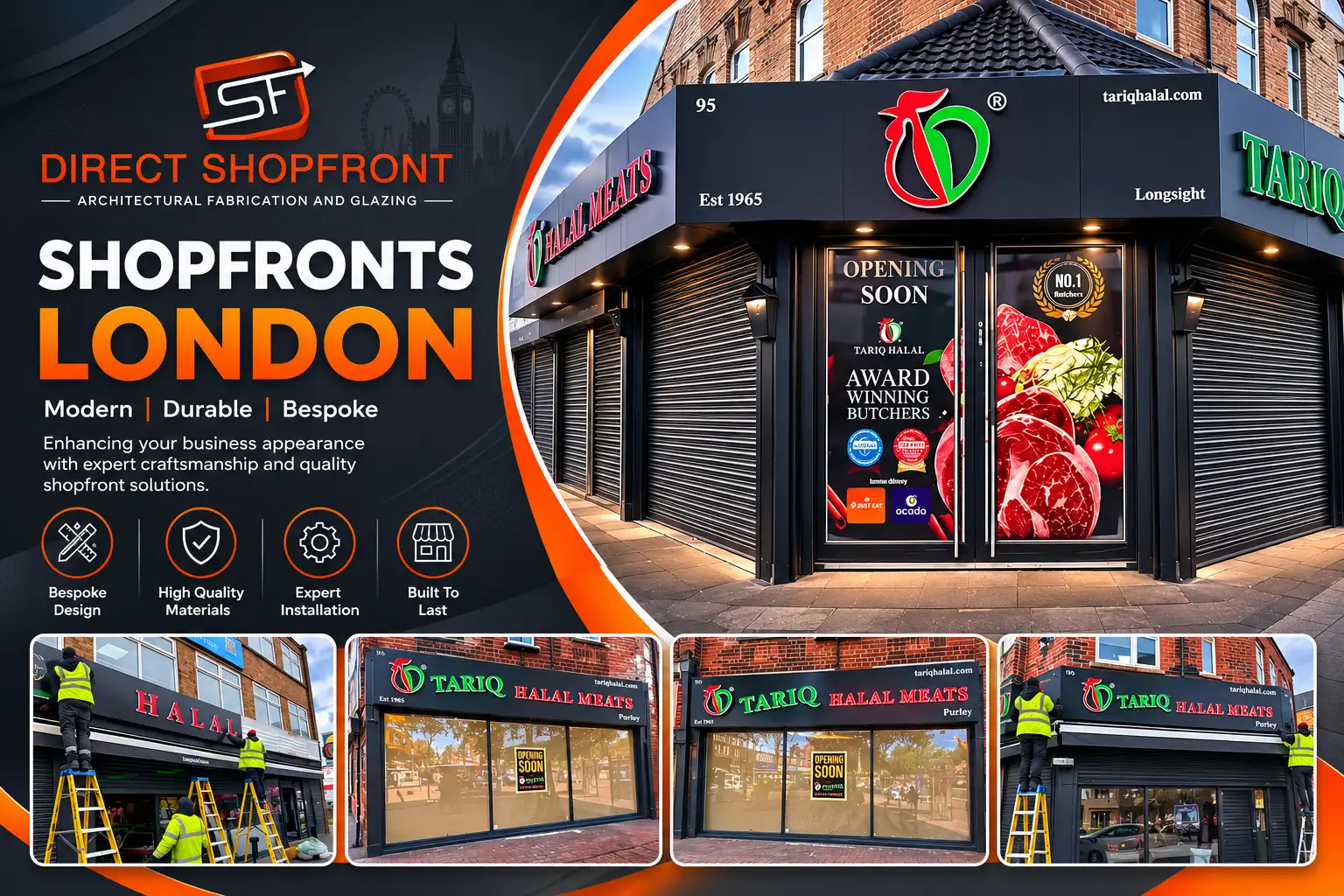
Why Careful Planning Matters Before Installing Shopfronts London
Installing a new commercial frontage is a strategic investment that affects far more than the appearance of a business premises. Shopfronts London should be planned with careful consideration of structural integrity, customer accessibility, branding, security, energy efficiency, maintenance requirements, and long-term operational goals. Every decision—from selecting the right materials and glazing options to ensuring compliance with local building regulations—has a direct impact on the durability and functionality of the installation.
A well-planned project helps businesses avoid costly design changes, unexpected maintenance expenses, and unnecessary disruptions after completion. It also ensures that the entrance complements the company’s identity while creating a welcoming environment that encourages customer engagement. By evaluating both immediate business needs and future growth opportunities before installation begins, commercial property owners can achieve a solution that delivers lasting performance, enhances curb appeal, improves security, and provides excellent value for years to come.
Understand Your Business Requirements
Every business serves different customers, making it essential to identify operational needs before selecting a storefront solution.
Key considerations include:
Business industry
- Retail stores often require large display windows.
- Restaurants benefit from welcoming entrances with excellent visibility.
- Offices may prioritize privacy with frosted glazing.
- Healthcare facilities require accessibility and easy navigation.
Customer traffic
- Estimate daily visitor numbers.
- Consider peak business hours.
- Evaluate entry and exit flow.
- Plan for emergency access.
Business operating hours
- Businesses operating late into the evening require enhanced security.
- Automated entrance systems may improve convenience for extended hours.
Future expansion
- Select a design that allows future modifications.
- Consider adaptable signage areas.
- Leave room for additional branding features.
A clear understanding of operational requirements prevents costly alterations after installation.
Evaluate the Building Structure
The existing structure determines which installation methods and materials are most suitable.
Structural assessment checklist
Wall condition
- Inspect for cracks.
- Check moisture levels.
- Assess load-bearing capability.
Foundation stability
Ensure adequate support for heavier aluminium or glass systems.
Existing entrance dimensions
- Measure accurately before manufacturing.
- Avoid unnecessary structural alterations.
Electrical services
- Identify wiring for automatic doors.
- Plan lighting integration.
- Consider security system connections.
Professional site surveys eliminate installation surprises and improve project efficiency.
Choose the Most Suitable Material
Material selection affects appearance, maintenance requirements, lifespan, insulation, and overall business image.
Aluminium Systems
Advantages
- Lightweight construction
- Excellent corrosion resistance
- Modern appearance
- Minimal maintenance
- Long service life
- Strong structural performance
- Compatible with automatic entrances
Ideal for:
- Retail premises
- Shopping centres
- Corporate offices
- Restaurants
- Medical facilities
Toughened Glass
Benefits include:
- Maximum product visibility
- Contemporary appearance
- Increased natural daylight
- Better customer engagement
- Easy cleaning
- Professional finish
Suitable for:
- Fashion stores
- Beauty salons
- Luxury retailers
- Jewellery outlets
- Technology showrooms
Timber Frontages
Advantages:
- Traditional appearance
- Heritage compatibility
- Warm aesthetics
- Excellent craftsmanship opportunities
Best suited for:
- Boutique stores
- Historic buildings
- Cafés
- Independent retailers
Steel Construction
Strengths include:
- Maximum security
- High durability
- Excellent impact resistance
- Longer lifespan in demanding environments
Often chosen for:
- Industrial units
- Warehouses
- Storage facilities
- High-security premises
Selecting the appropriate material should always align with operational needs rather than appearance alone.
Prioritise Security Features
Security should never be treated as an optional upgrade. The storefront forms one of the most vulnerable access points of a commercial property.
Essential security elements
- Multi-point locking mechanisms
- Laminated safety glazing
- Reinforced aluminium framing
- Anti-lift door protection
- Heavy-duty hinges
- High-security cylinders
- Internal locking systems
- Secure shutter compatibility
- Tamper-resistant fixings
Additional security enhancements may include:
- CCTV integration
- Motion sensors
- Access control systems
- Smart locking technology
- Remote monitoring capabilities
Combining physical protection with electronic security significantly reduces business risk.
Think About Energy Efficiency
Energy-efficient entrances contribute to lower operational costs while creating a more comfortable indoor environment.
Important insulation features
- Thermal break aluminium profiles
- Double glazing
- Triple glazing where appropriate
- Weather-resistant seals
- Energy-efficient door systems
- Low-emissivity glass coatings
- Draught prevention measures
Benefits of improved insulation
- Lower heating expenses
- Reduced cooling costs
- Improved indoor comfort
- Better environmental performance
- Reduced condensation
- Increased property value
Modern entrance systems are designed to improve thermal performance without compromising appearance or functionality.
Ensure Compliance with Local Regulations
A commercial entrance should meet all relevant legal and building requirements before installation begins. Overlooking compliance can result in costly modifications, project delays, or enforcement action. Planning for regulations from the outset ensures a smoother installation process and long-term peace of mind.
Important compliance considerations
Planning permissions
- Determine whether approval is required.
- Check if the property is located in a conservation area.
- Understand restrictions on external alterations.
Building regulations
- Fire safety standards
- Structural stability requirements
- Energy efficiency compliance
- Ventilation considerations
Accessibility obligations
- Wheelchair-friendly entrances
- Appropriate door widths
- Step-free access
- Easy-to-use door handles
Health and safety
- Safety glazing
- Emergency exit access
- Slip-resistant entrance flooring
- Safe door operation
Working with experienced installers helps ensure every aspect of the project complies with applicable standards before work begins.
Focus on Customer Accessibility
An attractive entrance is only valuable if customers can use it comfortably. Accessibility improves the overall customer experience while making the premises welcoming for everyone.
Features that improve accessibility
- Automatic entrance systems
- Wide opening doors
- Level thresholds
- Smooth floor transitions
- Clearly visible entry points
- Adequate external lighting
- Easy-grip handles
- Clearly marked opening directions
Accessibility benefits
- Better customer satisfaction
- Improved inclusivity
- Easier movement for parents with pushchairs
- Comfortable access for elderly visitors
- Improved convenience during busy trading hours
- Enhanced business reputation
Small accessibility improvements often have a significant impact on customer perception and repeat visits.
Consider Branding Opportunities
Your commercial frontage serves as a permanent advertisement for your business. Every visual element should reinforce your brand identity and create a memorable first impression.
Branding elements to plan
- Company logo placement
- Corporate colour scheme
- Window graphics
- Illuminated lettering
- Frosted decorative films
- Digital display integration
- Product display windows
- Promotional poster areas
Design consistency
Maintain consistency across:
- Interior décor
- Exterior finishes
- Signage
- Marketing materials
- Vehicle graphics
- Staff uniforms
A cohesive visual identity strengthens brand recognition and helps customers identify your business instantly.
Plan the Lighting Strategy
Lighting is often overlooked during the planning stage, yet it plays a major role in visibility, security, and customer attraction.
Exterior lighting options
- LED spotlights
- Illuminated signage
- Architectural uplighting
- Display window lighting
- Motion-activated security lights
- Entrance canopy lighting
Interior lighting considerations
- Product-focused illumination
- Warm ambient lighting
- Reception lighting
- Decorative ceiling fixtures
- Energy-efficient LED systems
Benefits of quality lighting
- Increased evening visibility
- Enhanced product presentation
- Improved customer confidence
- Better security after business hours
- Lower electricity consumption with modern LED technology
Proper lighting transforms a commercial frontage into an inviting destination throughout the day and night.
Think Beyond Appearance
A visually impressive storefront should also perform well under everyday commercial use. Practical functionality contributes to smoother operations and reduced maintenance.
Functional features worth considering
- Automatic sliding doors
- Swing door mechanisms
- Touch-free entry systems
- Ventilation options
- Easy-clean surfaces
- Durable hardware
- Weather-resistant seals
- Quiet operating systems
Operational advantages
- Faster customer flow
- Reduced wear and tear
- Easier cleaning
- Improved staff convenience
- Better environmental control
- Longer product lifespan
Balancing aesthetics with functionality creates an entrance that remains effective for many years.
Assess Environmental Exposure
Every commercial property experiences different environmental conditions. Understanding local weather patterns helps determine the most appropriate construction materials and protective finishes.
Environmental factors to evaluate
- Heavy rainfall
- Strong winds
- Air pollution
- UV exposure
- Coastal salt corrosion
- Seasonal temperature fluctuations
- Dust accumulation
- Moisture levels
Protective solutions
- Powder-coated aluminium finishes
- Corrosion-resistant fittings
- UV-resistant coatings
- Waterproof seals
- Toughened safety glass
- Drainage systems
- Protective canopies
Choosing materials suited to environmental conditions reduces maintenance requirements and extends the life of the installation.
Select High-Quality Glazing Options
Glass is one of the most noticeable components of any modern commercial entrance. Selecting the right glazing improves security, comfort, and visual appeal.
Common glazing choices
- Toughened safety glass
- Laminated security glass
- Double-glazed units
- Solar control glass
- Low-emissivity glazing
- Acoustic glass
- Privacy glazing
- Decorative etched panels
Benefits of premium glazing
- Enhanced insulation
- Improved noise reduction
- Greater security
- Increased customer comfort
- Reduced glare
- Better product visibility
- Modern architectural appearance
High-performance glazing contributes to both operational efficiency and customer experience.
Evaluate Installation Expertise
Even the highest-quality materials can underperform if installation standards are poor. Skilled workmanship ensures every component functions as intended and delivers lasting value.
What to look for in an installation company
- Extensive commercial experience
- Skilled fitting teams
- Accurate site surveys
- Detailed project planning
- Quality workmanship
- Reliable communication
- Transparent quotations
- Aftercare support
Questions to ask before hiring
- Can previous commercial projects be reviewed?
- Are installation timelines clearly defined?
- What warranty is included?
- How are unexpected structural issues handled?
- Is maintenance support available after installation?
Choosing experienced professionals minimises disruption and ensures a precise, high-quality finish that reflects positively on your business.
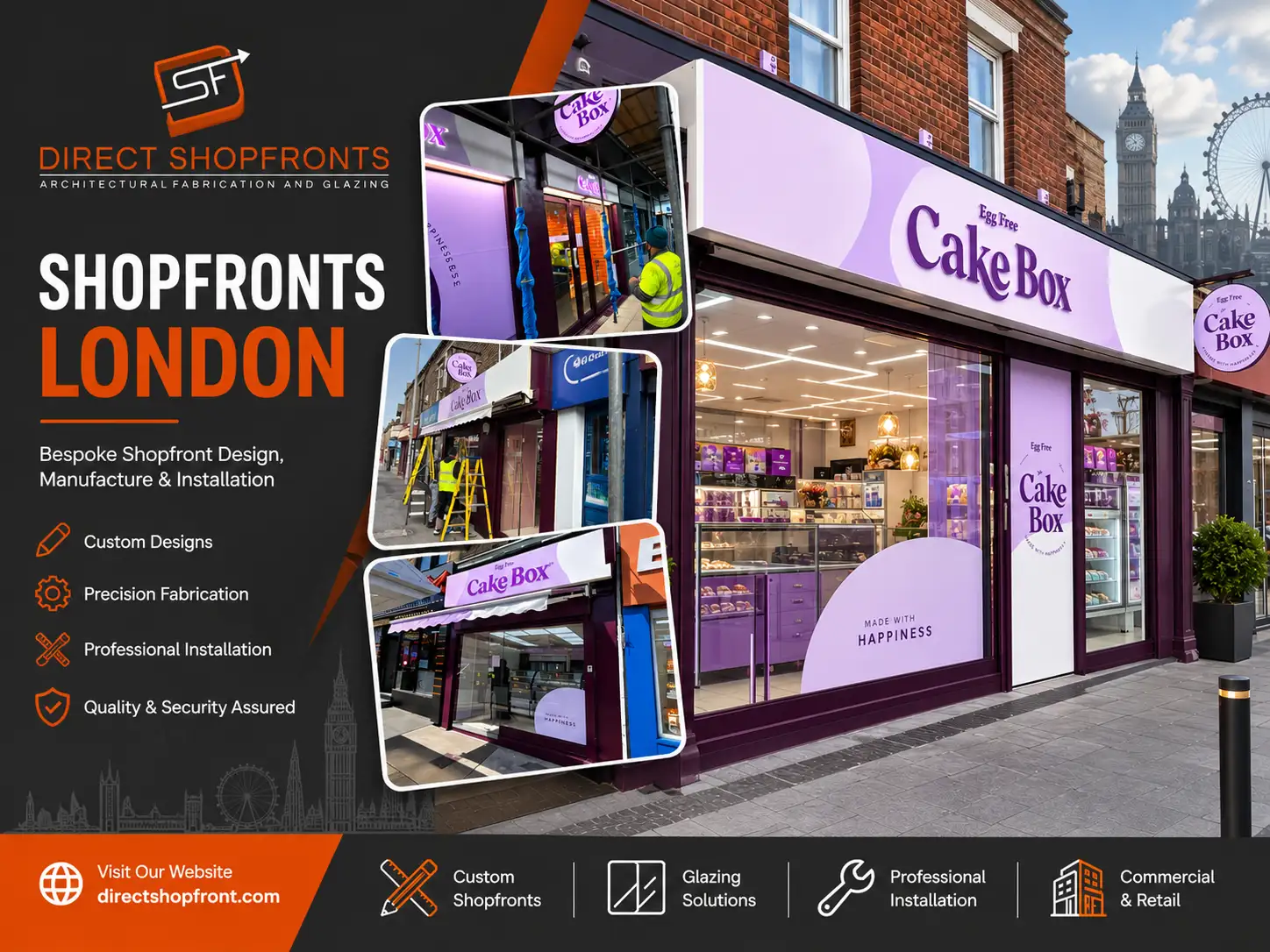
Plan for Future Business Growth
A commercial entrance should not only meet your current operational needs but also support future expansion. Many businesses outgrow their original premises or update their branding within a few years. Designing with flexibility in mind reduces the need for expensive modifications later.
Future-proofing considerations
- Flexible entrance layouts
- Expandable display areas
- Modular framing systems
- Replaceable glazing panels
- Space for additional signage
- Compatibility with smart technologies
- Provision for future automation
- Easy integration of security upgrades
Business advantages
- Lower renovation costs
- Simplified branding updates
- Easier technology integration
- Reduced operational disruption
- Increased property adaptability
A scalable design ensures your investment continues to add value as your business evolves.
Consider Customer Psychology
A commercial frontage influences customer behaviour before they even enter the building. Strategic design choices can encourage people to stop, explore, and engage with your business.
Elements that attract attention
- Large, unobstructed glazing
- Balanced architectural proportions
- Clear sightlines into the premises
- Bright, welcoming entrances
- Well-positioned product displays
- Minimal visual clutter
- Consistent branding
- High-quality finishes
Customer perception factors
- Cleanliness
- Professional appearance
- Safety
- Accessibility
- Trustworthiness
- Modern design
- Attention to detail
An inviting exterior can increase footfall and improve first impressions, directly influencing purchasing decisions.
Integrate Smart Technology
Modern commercial properties increasingly incorporate intelligent systems that improve convenience, efficiency, and security. Planning these features during installation avoids disruptive retrofitting.
Smart features to consider
- Automatic door operators
- Contactless entry systems
- Digital access control
- Smart locking mechanisms
- Occupancy sensors
- Energy monitoring systems
- Remote security management
- Automated lighting controls
Benefits of smart integration
- Improved operational efficiency
- Enhanced customer convenience
- Better energy management
- Increased security
- Simplified facility management
- Reduced manual maintenance
Technology-ready entrances help businesses remain competitive while improving the experience for staff and visitors alike.
Account for Daily Operational Needs
The entrance should support day-to-day business activities without creating unnecessary obstacles. Considering operational workflows during planning leads to a more practical and efficient environment.
Daily usage factors
- Deliveries and stock movement
- Cleaning routines
- Waste collection access
- Staff entry points
- Customer queues
- Emergency evacuation routes
- Seasonal decorations
- Promotional displays
Practical design features
- Wide door openings
- Durable threshold systems
- Scratch-resistant finishes
- Easy-access locking systems
- Low-maintenance materials
- Weather-resistant flooring
Designing for everyday use ensures the entrance remains functional under constant commercial activity.
Weather Protection Matters
Protecting customers from changing weather conditions creates a more comfortable experience while preserving the condition of the entrance system.
Weather protection options
- Entrance canopies
- Rain deflectors
- Wind barriers
- Weatherproof seals
- Drainage channels
- Covered waiting areas
- Anti-slip external flooring
- Water-resistant finishes
Benefits
- Increased customer comfort
- Reduced moisture entering the premises
- Cleaner interior floors
- Lower maintenance requirements
- Extended lifespan of entrance components
A well-protected entrance remains attractive and functional regardless of seasonal weather.
Improve Internal Visibility
The transition between the exterior and interior should feel natural and welcoming. Visibility encourages customers to enter while showcasing the atmosphere of your business.
Ways to enhance visibility
- Clear glazing
- Open interior layouts
- Strategic lighting placement
- Minimal obstruction near entrances
- Attractive product merchandising
- Reception visibility
- Consistent interior design
- Clean window presentation
Commercial advantages
- Increased customer confidence
- Better product exposure
- Stronger visual merchandising
- Enhanced shopping experience
- Improved brand perception
An open and inviting appearance helps convert passing pedestrians into paying customers.
Balance Security with Openness
Many businesses mistakenly believe maximum security requires creating a fortress-like appearance. The ideal solution balances protection with an inviting atmosphere.
Effective security design
- Reinforced framing systems
- Laminated glazing
- Discreet surveillance cameras
- Hidden security sensors
- Integrated alarm systems
- Strong locking hardware
- Protective roller shutters for after-hours use
- Security lighting
Maintaining an inviting appearance
- Transparent glazing
- Elegant framing
- Integrated security hardware
- Minimal visual barriers
- Contemporary architectural styling
Customers should feel welcomed during business hours while the property remains protected when closed.
Work Within Your Budget Without Compromising Quality
Budget planning involves more than comparing initial quotations. A lower upfront cost may result in higher maintenance, shorter lifespan, or frequent repairs.
Budget planning checklist
- Manufacturing quality
- Installation costs
- Warranty coverage
- Maintenance expenses
- Replacement component availability
- Energy savings
- Expected lifespan
- Future upgrade costs
Smart investment strategy
Instead of choosing the cheapest option, focus on long-term value. Durable materials, skilled installation, and reliable aftercare often provide a better return on investment through lower maintenance costs, improved energy efficiency, and a longer service life.
Don’t Overlook Aftercare and Maintenance Support
The relationship with your installer should continue after the installation is complete. Regular inspections and preventative maintenance help maximise the lifespan of your commercial entrance while maintaining its professional appearance.
Recommended maintenance schedule
- Monthly visual inspections
- Quarterly hardware checks
- Regular glass cleaning
- Lubrication of moving components
- Inspection of weather seals
- Lock testing
- Automatic door servicing
- Surface cleaning and touch-ups
Benefits of ongoing maintenance
- Longer operational lifespan
- Improved reliability
- Reduced repair costs
- Better appearance
- Enhanced customer safety
- Consistent day-to-day performance
Working with a trusted provider like Direct Shopfronts ensures access to professional advice, quality craftsmanship, and dependable aftercare long after the installation has been completed.
Final Thoughts
Installing Shopfronts London is a significant investment that influences security, customer perception, operational efficiency, and the overall value of a commercial property. Careful planning, thoughtful material selection, compliance with regulations, accessibility, energy performance, branding, and expert installation all contribute to a successful outcome. By taking a long-term approach rather than focusing solely on initial costs, businesses can create an entrance that supports growth, strengthens their professional image, and delivers lasting value. Partnering with experienced specialists such as Direct Shopfronts helps ensure every stage of the project is completed to the highest standard, providing a durable and attractive solution that reflects the quality of your business.
Frequently Asked Questions
1. What factors should I consider before installing a new commercial shopfront?
Before installation, consider the building structure, material selection, security features, accessibility, energy efficiency, branding requirements, maintenance costs, and compliance with local planning and building regulations. Proper planning helps ensure a durable and cost-effective investment.
2. Which material is best for commercial shopfront installations?
The ideal material depends on your business needs. Aluminium offers durability and low maintenance, toughened glass provides excellent visibility, timber suits traditional properties, and steel is ideal for businesses requiring enhanced security.
3. How can a professionally installed shopfront improve my business?
A high-quality shopfront enhances your business’s appearance, strengthens brand identity, improves customer confidence, increases visibility, boosts security, and creates a welcoming entrance that can encourage more foot traffic.
4. Are energy-efficient shopfront systems worth the investment?
Yes. Modern insulated glazing, thermal break frames, and weather-resistant seals help reduce heat loss, improve indoor comfort, lower energy bills, and contribute to a more sustainable commercial property.
5. Do I need planning permission before replacing my shopfront?
Planning permission depends on the property’s location and the nature of the alterations. Businesses located in conservation areas or listed buildings may require additional approvals before installation begins.