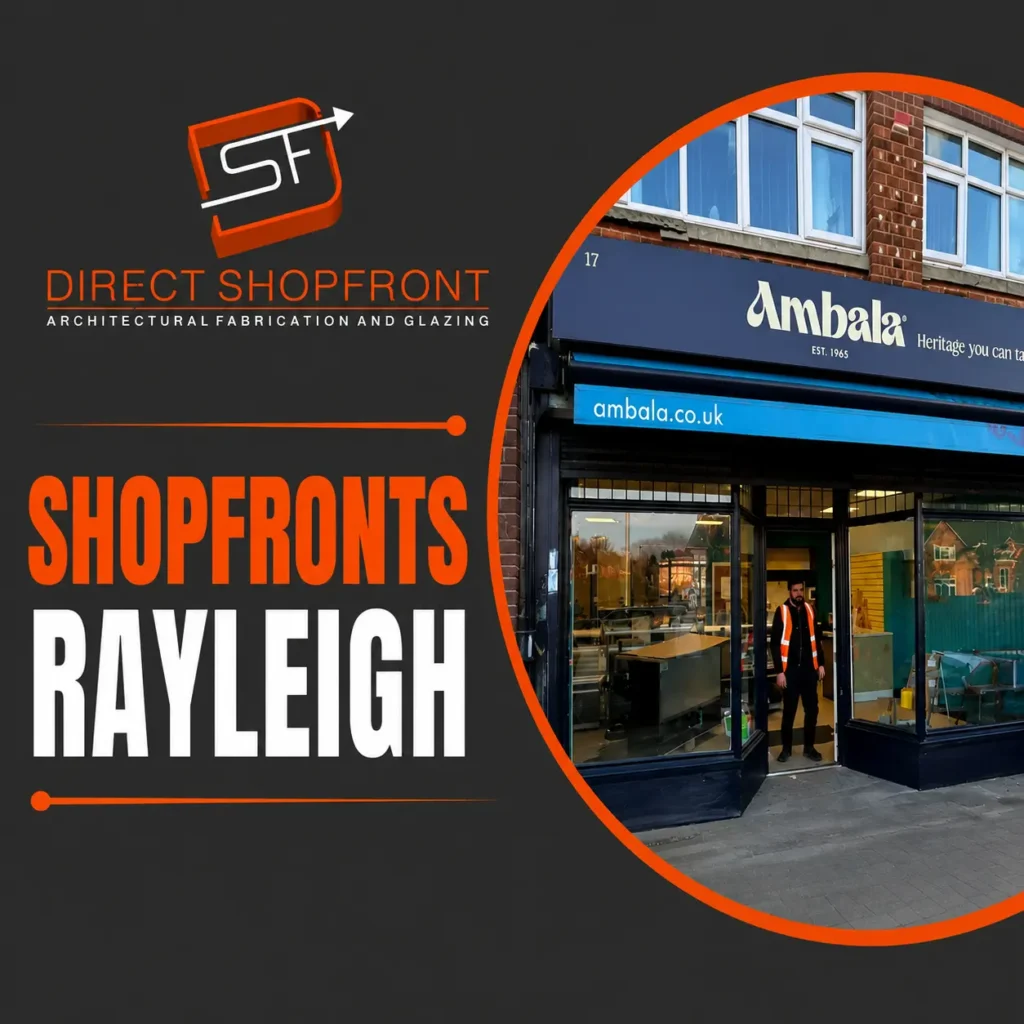
How Shopfronts Rayleigh Improve Customer First Impressions
How Shopfronts Rayleigh Improve Customer First Impressions Enhance your business image with Shopfronts Rayleigh by Direct Shopfronts. Create lasting first impressions with stylish, secure, modern designs. – Contact Us Today – GET A QUOTE 0208 050 5565 Every customer forms an opinion about a business within seconds of seeing its exterior. Before they experience the products, services, or customer support, they judge the professionalism, quality, and reliability of the business by its appearance. Shopfronts Rayleigh play a vital role in shaping that crucial first impression by combining attractive design, practical functionality, and long-lasting durability. For businesses looking to stand out in a competitive high street, investing in a professionally designed entrance is one of the smartest ways to attract attention, increase footfall, and build lasting customer trust. GET A QUOTE Why Shopfronts Rayleigh Create Stronger Customer Experiences A modern commercial frontage is far more than an entrance. It acts as a silent salesperson that communicates quality before anyone steps inside. Every design element—from glazing and framing to lighting and branding—works together to influence customer perception. Businesses that prioritize exterior presentation often enjoy better visibility, increased walk-in traffic, stronger brand recognition, and improved customer confidence. A professionally installed storefront reflects the standards customers can expect once they enter the premises. The Psychology Behind First Impressions Customers naturally make assumptions within moments of viewing a property. These assumptions influence whether they decide to enter or continue walking. Key psychological factors include: Clean architectural appearance Visible business branding Natural lighting Organized window displays Modern construction materials Sense of safety and security Easy accessibility Professional maintenance A well-maintained frontage signals that the business pays attention to detail, encouraging visitors to expect the same level of care throughout their experience. Exterior Design Reflects Business Personality Every business has its own identity. A storefront should visually communicate that identity before customers even open the door. Design elements that strengthen brand personality include: Custom colour schemes Architectural styling Premium aluminium framing Decorative glazing Elegant entrance systems Corporate signage Contemporary finishes Feature lighting Whether operating a luxury boutique or a professional office, exterior design establishes the tone for every customer interaction. Glass Frontages Create Openness and Trust Transparent glazing has become one of the most effective commercial design trends because it creates openness. Customers appreciate being able to see inside before entering. Visible interiors remove uncertainty and make businesses feel more welcoming. Benefits of extensive glazing include: Better product visibility Increased natural light Open atmosphere Enhanced customer comfort Improved visual merchandising Modern architectural appeal Large glass panels also allow businesses to showcase their interiors continuously throughout the day. Modern Materials Influence Customer Confidence Today’s commercial entrances use advanced construction materials that offer both durability and visual appeal. Popular materials include: Powder-coated aluminium Toughened safety glass Stainless steel Composite cladding Frameless glazing systems Laminated security glass These materials provide sleek aesthetics while maintaining structural strength, making businesses appear established and reliable. Professional Signage Completes the Visual Identity A beautiful frontage without clear branding often loses its marketing potential. High-quality signage helps customers quickly identify the business while reinforcing professionalism. Effective signage features: Consistent typography Illuminated lettering Brand colours High visibility Weather-resistant materials Proper positioning Balanced proportions When signage integrates seamlessly with architectural design, it creates a memorable visual identity. Lighting Makes Businesses Stand Out Lighting transforms the appearance of commercial properties, especially during evenings and winter months. Strategic illumination creates a welcoming environment while highlighting important architectural features. Lighting options include: LED fascia lighting Recessed entrance lighting Display lighting Architectural uplighting Window illumination Feature spotlights Good lighting increases visibility, improves safety, and encourages customers to visit even after sunset. Window Displays Encourage Customer Curiosity Storefront windows provide valuable opportunities to capture attention. Creative displays encourage pedestrians to stop, observe products, and eventually enter the premises. Effective display strategies include: Seasonal themes Lifestyle presentations Product storytelling Minimalist layouts Promotional campaigns Interactive digital displays Balanced colour palettes A regularly updated display signals that the business remains active and customer-focused. Entrance Accessibility Builds Positive Experiences Convenience plays a significant role in customer satisfaction. Visitors appreciate entrances that are easy to access regardless of age or mobility. Accessibility improvements include: Automatic entrance doors Wide openings Step-free access Anti-slip flooring Clear directional signage Wheelchair-friendly layouts An accessible entrance communicates inclusivity and demonstrates consideration for every visitor. Security Features Increase Customer Reassurance People naturally feel more comfortable entering premises that appear safe and professionally protected. Modern commercial entrances combine attractive design with discreet security systems. Security solutions include: Laminated glass Roller shutters Security glazing Smart access systems Reinforced framing Multi-point locking CCTV integration Visible security measures reassure customers without creating an unwelcoming appearance. Consistent Branding Creates Recognition Customers are more likely to remember businesses with consistent visual branding. Every external feature should complement the company’s identity. Branding opportunities include: Entrance colours Logo placement Window graphics Signage design Exterior finishes Decorative panels Lighting colours Consistency strengthens customer recognition across both physical and digital marketing channels. Exterior Maintenance Protects Business Reputation Even premium installations lose their impact if neglected. Routine maintenance keeps commercial properties attractive throughout the year. Maintenance activities include: Glass cleaning Frame inspections Paint touch-ups Door servicing Signage cleaning Lighting replacement Seal inspections Well-maintained entrances suggest professionalism and attention to customer experience. Energy-Efficient Designs Enhance Comfort Today’s commercial entrances contribute to better indoor environments. Modern glazing systems improve insulation while reducing heat loss. Energy-saving features include: Double glazing Thermal aluminium systems Weather seals Solar control glass Low-emissivity coatings Draft reduction technology Customers enjoy more comfortable shopping environments regardless of weather conditions. Bespoke Designs Differentiate Local Businesses Every commercial property has unique architectural characteristics. Custom-built entrances help businesses avoid generic appearances while reflecting their individual identity. Bespoke design considerations include: Building proportions Brand personality Customer demographics Business sector Local architectural style Display requirements Future expansion plans Tailored designs make businesses instantly recognizable within busy retail streets. Digital Features Modernize Customer Interaction Technology continues transforming commercial entrances. Many businesses now integrate digital features directly into their exterior presentation. Popular digital enhancements include: Digital advertising screens Interactive displays Smart lighting controls QR code integration Digital directories Touchscreen information