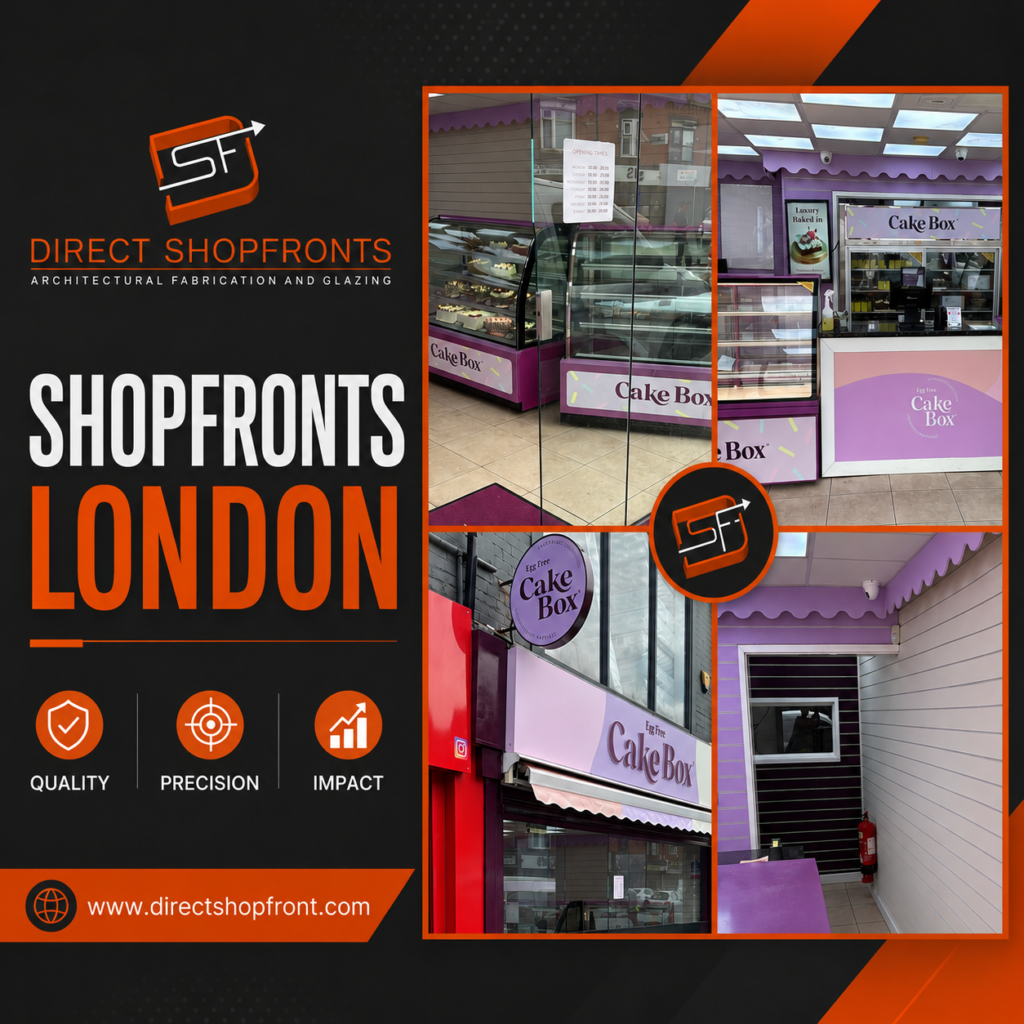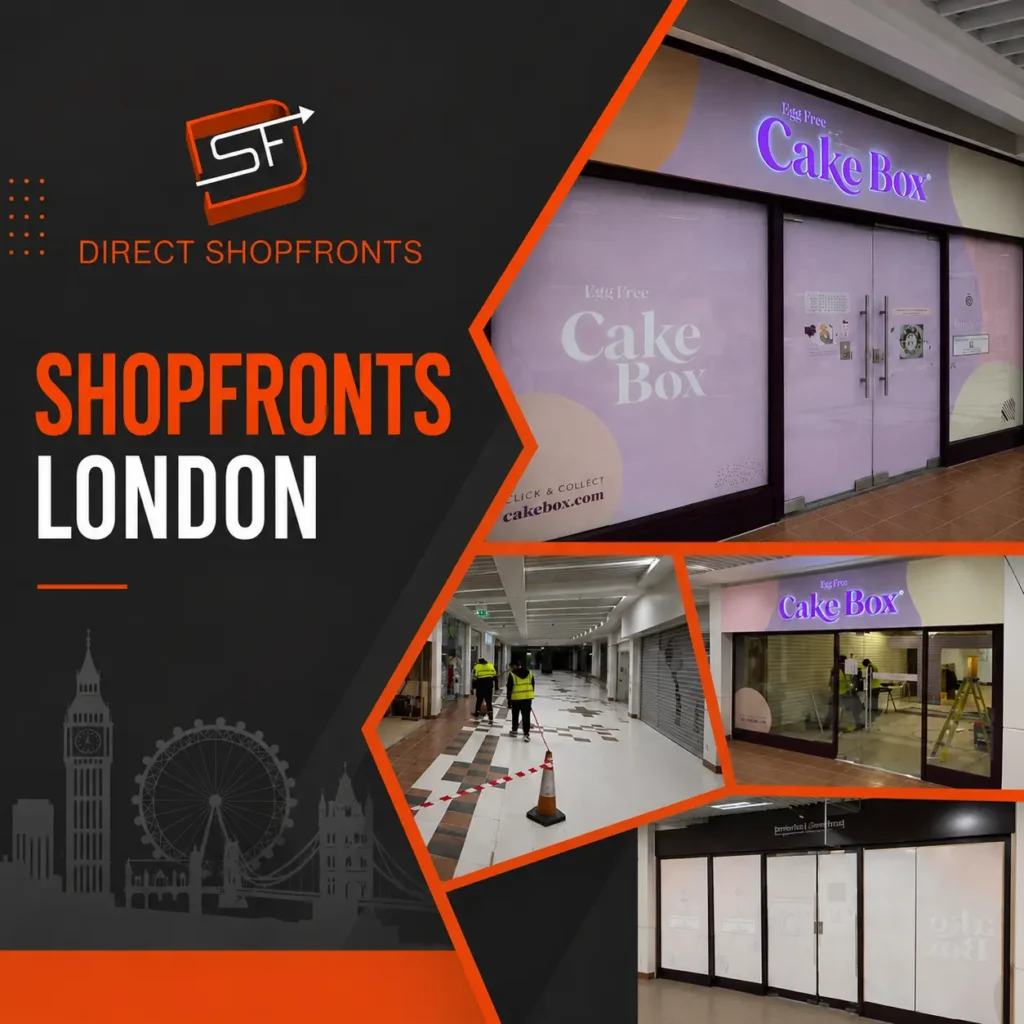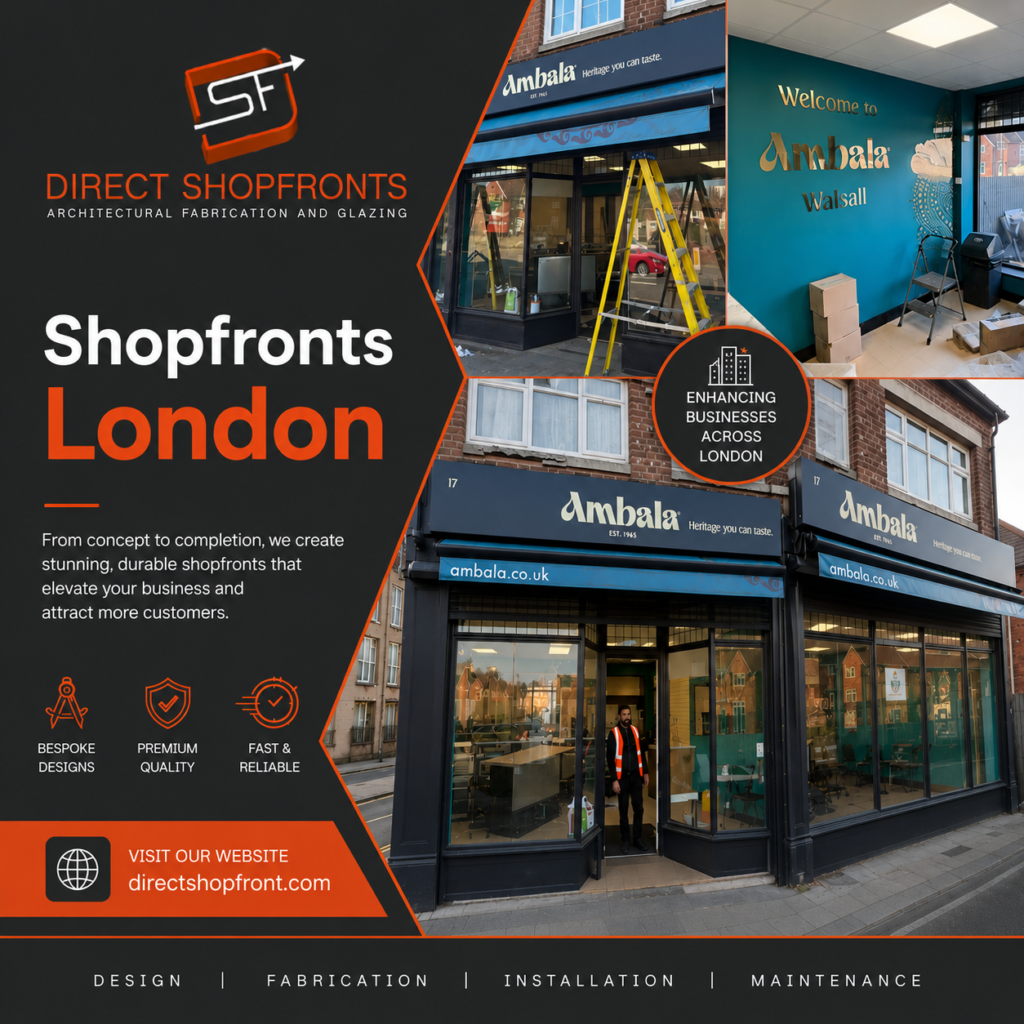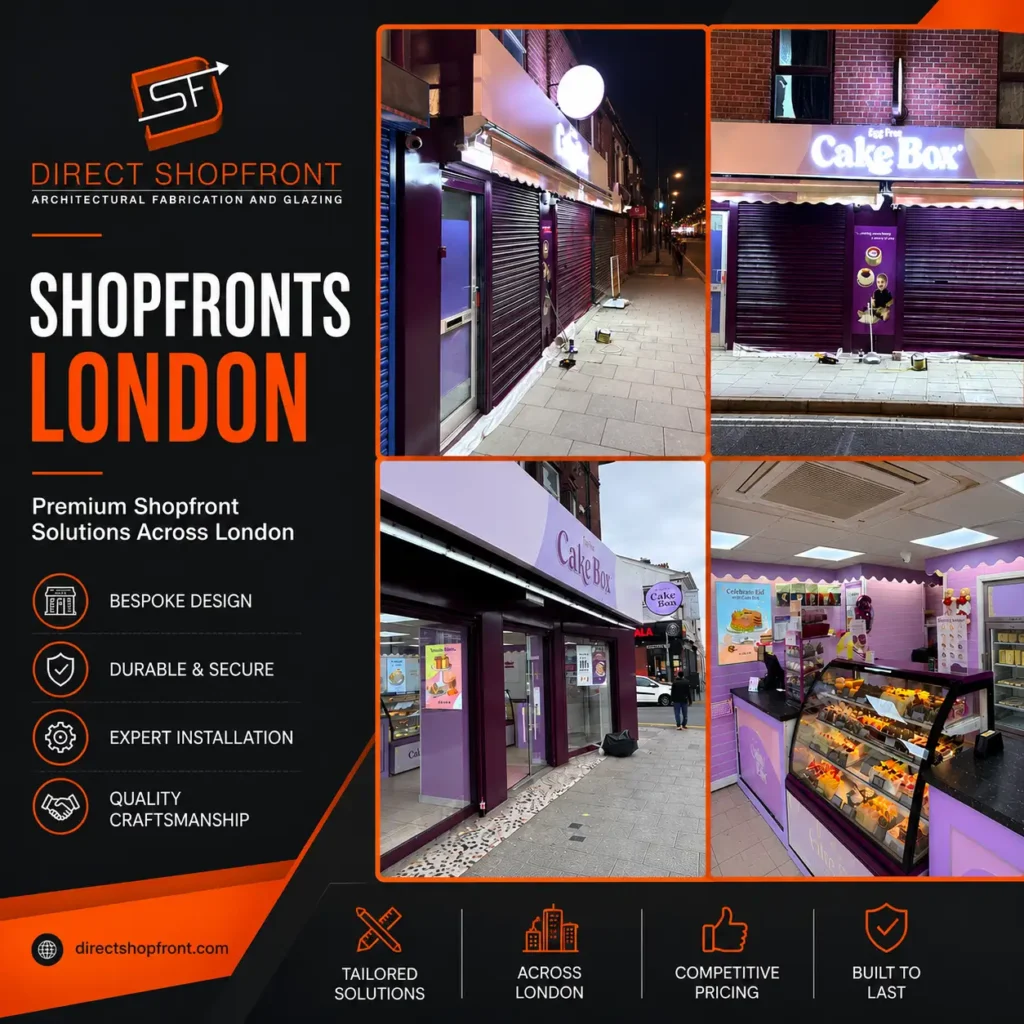
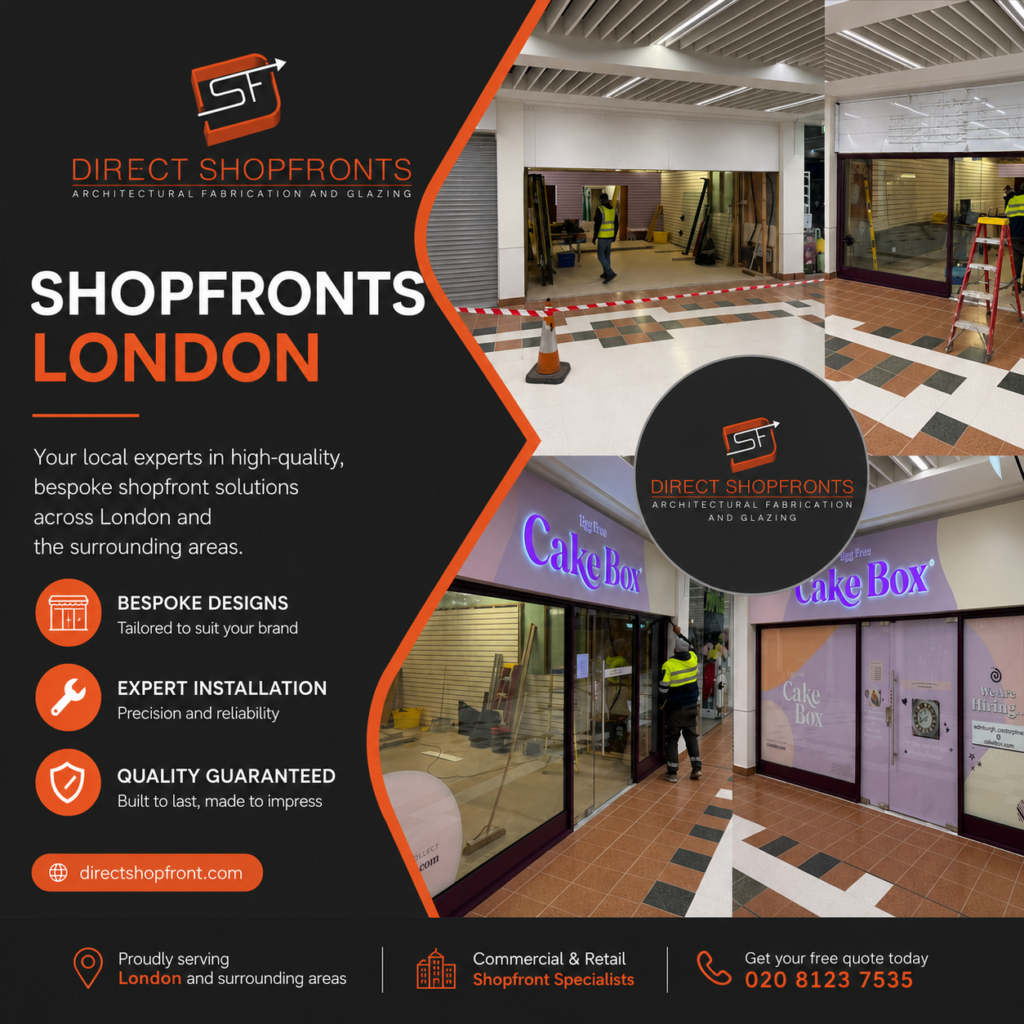
Shopfronts London

Professional Shopfronts London restoration for retail business exterior
Design, Shopfront, Shopfronts London

Benefits of Renovating Old Shopfronts London Instead of Replacing Them

Benefits of Renovating Shopfronts London Instead of Replacing Restore your Shopfronts London with Direct Shopfronts. Discover how renovation saves costs, enhances style and extends lifespan. – Contact Us Today – GET A QUOTE 0208 050 5565 Businesses often assume that a complete replacement is the only solution when their storefront begins to show signs of age. However, thoughtful renovation often delivers better value, preserves architectural character, and minimizes disruption to daily operations. Whether you own a retail boutique, café, restaurant, showroom, pharmacy, or commercial office, restoring an existing façade can transform its appearance while maintaining structural integrity. Shopfronts London projects completed by Direct Shopfronts demonstrate how strategic refurbishment can modernize commercial properties without the expense and inconvenience of full replacement. GET A QUOTE Shopfronts London Renovation: A Smarter Investment Than Complete Replacement Replacing an entire commercial frontage may appear attractive at first glance, but renovation often provides a more practical, sustainable, and financially rewarding solution. Modern refurbishment techniques allow experienced specialists to restore existing structures while incorporating contemporary design elements, improved security, better insulation, and enhanced branding. Instead of removing every component, renovation focuses on improving what already exists, preserving valuable materials, and upgrading only the areas that truly require attention. This approach creates an impressive business frontage while reducing unnecessary costs and construction waste. Understanding the True Potential of Existing Commercial Frontages Many older retail facades possess stronger structural foundations than owners initially realize. Years of exposure may affect paint finishes, glazing, lighting, or signage without compromising the primary framework. Key elements assessed during renovation include: Structural framework condition Aluminium or steel frame integrity Existing glazing quality Entrance accessibility Weather resistance Signage positioning Security system compatibility Energy efficiency opportunities Professional inspections often reveal that only selective improvements are necessary rather than complete reconstruction. Why Renovation Often Delivers Better Return on Investment Commercial property improvements should generate measurable value. Renovation offers immediate visual enhancement while keeping expenditure under control. Financial advantages include: Lower labour expenses Reduced material consumption Faster completion schedules Less business downtime Minimal waste disposal costs Smaller planning requirements Longer service life after refurbishment Rather than investing in a completely new installation, businesses can allocate savings toward marketing, interior upgrades, or customer experience improvements. Preserving Architectural Character That Customers Recognize Older commercial districts often feature distinctive architectural styles that contribute to local identity. Replacing an entire façade may remove the character that customers associate with the business. Renovation allows owners to preserve decorative details while introducing contemporary materials that complement the original appearance. This balance between heritage and innovation creates a memorable storefront that stands out without losing authenticity. Heritage-friendly improvements include: Decorative frame restoration Traditional moulding repairs Modern glazing installation Refinished entrance doors Updated lighting integration Improved accessibility features This approach helps businesses remain visually appealing while respecting surrounding architecture. Modern Materials Can Be Integrated Without Full Replacement Many owners mistakenly believe new technology requires complete reconstruction. In reality, refurbishment allows advanced materials to be installed into existing structures. Examples include: Material upgrades Toughened safety glass Powder-coated aluminium finishes Laminated security glazing Composite entrance doors Anti-corrosion treatments UV-resistant coatings These enhancements significantly improve durability while retaining much of the original framework. Reducing Business Disruption During Renovation Every day a storefront remains closed represents lost revenue. Complete replacement projects frequently require extended construction periods. Renovation generally involves shorter installation times because fewer structural components need removal. Operational benefits include: Faster project completion Reduced customer inconvenience Continued access where possible Lower temporary relocation costs Less noise during installation Simplified project management Retailers appreciate refurbishment because it minimizes interruptions to daily operations. Environmental Benefits of Commercial Refurbishment Sustainability has become an important consideration for commercial property owners. Renovation supports environmentally responsible construction by reducing waste and conserving resources. Instead of sending large quantities of metal, timber, and glass to landfill, existing materials are repaired or repurposed whenever possible. Eco-friendly outcomes include: Lower carbon emissions Reduced landfill waste Less raw material extraction Improved resource efficiency Smaller environmental footprint Greater recycling opportunities Businesses adopting sustainable practices also strengthen their corporate reputation among environmentally conscious customers. Energy Efficiency Without Starting From Scratch Older entrances often suffer from drafts, poor insulation, and inefficient glazing. These issues increase heating and cooling expenses throughout the year. Renovation provides opportunities to improve thermal performance through selective upgrades. Energy-saving improvements include: Double glazing Improved weather seals Thermal break aluminium systems Better insulation Energy-efficient entrance doors Reduced air leakage Lower energy consumption contributes to long-term operating savings. Upgrading Security While Retaining Existing Structures Security remains a major concern for retail businesses. Fortunately, renovation allows modern protection systems to be integrated without rebuilding everything. Security enhancements may include: Roller shutter installation Security glazing Reinforced locking systems Automatic door locking Access control integration CCTV compatibility These improvements help protect valuable inventory while maintaining an attractive exterior. Improving Brand Image Through Professional Refurbishment Customers often judge a business before entering the premises. A worn entrance may create negative first impressions regardless of product quality. Refurbishment transforms outdated exteriors into welcoming commercial spaces that reinforce professionalism. Branding opportunities include: Contemporary colour schemes Illuminated signage Premium finishes Modern entrance designs Improved lighting Stylish display windows The refreshed appearance increases customer confidence and enhances brand recognition. Better Customer Experience Starts Outside The storefront represents the first interaction customers have with a business. Renovation creates a more comfortable and inviting entrance by improving visibility, accessibility, and aesthetics. Customer-focused improvements include: Wider entrances Automatic doors Better lighting Clearer window displays Enhanced accessibility Improved navigation These features encourage visitors to enter and spend more time exploring products or services. Adapting Existing Structures for Modern Retail Needs Consumer expectations continue evolving, requiring businesses to update their premises accordingly. Rather than replacing everything, renovation enables commercial spaces to accommodate changing retail trends. Functional improvements include: Larger display areas Flexible window layouts Digital signage integration Interactive displays Improved lighting systems Smart entrance automation Modern functionality can coexist with existing structural elements. Increasing Property Value Through Refurbishment Commercial improvements often contribute to higher property valuations. A professionally renovated frontage demonstrates ongoing

Custom Shopfronts London showcasing secure and stylish business frontage
Design, Shopfront, Shopfronts London

What to Consider Before Installing Shopfronts London

What to Consider Before Installing Shopfronts London Plan your Shopfronts London installation with expert tips on materials, security, design, compliance, and long-term value from Direct Shopfronts. – Contact Us Today – GET A QUOTE 0208 050 5565 The exterior of a commercial property is often the first point of interaction between a business and its potential customers. A professionally designed storefront not only attracts attention but also communicates trust, quality, and professionalism. Before investing in Shopfronts London, business owners should carefully evaluate several factors that influence long-term performance, security, maintenance, customer experience, and compliance with local regulations. From selecting suitable materials and ensuring accessibility to planning future branding opportunities, every decision contributes to the success of your premises. Careful planning helps avoid unnecessary expenses while creating an attractive entrance that supports business growth for years to come. GET A QUOTE Why Careful Planning Matters Before Installing Shopfronts London Installing a new commercial frontage is a strategic investment that affects far more than the appearance of a business premises. Shopfronts London should be planned with careful consideration of structural integrity, customer accessibility, branding, security, energy efficiency, maintenance requirements, and long-term operational goals. Every decision—from selecting the right materials and glazing options to ensuring compliance with local building regulations—has a direct impact on the durability and functionality of the installation. A well-planned project helps businesses avoid costly design changes, unexpected maintenance expenses, and unnecessary disruptions after completion. It also ensures that the entrance complements the company’s identity while creating a welcoming environment that encourages customer engagement. By evaluating both immediate business needs and future growth opportunities before installation begins, commercial property owners can achieve a solution that delivers lasting performance, enhances curb appeal, improves security, and provides excellent value for years to come. Understand Your Business Requirements Every business serves different customers, making it essential to identify operational needs before selecting a storefront solution. Key considerations include: Business industry Retail stores often require large display windows. Restaurants benefit from welcoming entrances with excellent visibility. Offices may prioritize privacy with frosted glazing. Healthcare facilities require accessibility and easy navigation. Customer traffic Estimate daily visitor numbers. Consider peak business hours. Evaluate entry and exit flow. Plan for emergency access. Business operating hours Businesses operating late into the evening require enhanced security. Automated entrance systems may improve convenience for extended hours. Future expansion Select a design that allows future modifications. Consider adaptable signage areas. Leave room for additional branding features. A clear understanding of operational requirements prevents costly alterations after installation. Evaluate the Building Structure The existing structure determines which installation methods and materials are most suitable. Structural assessment checklist Wall condition Inspect for cracks. Check moisture levels. Assess load-bearing capability. Foundation stability Ensure adequate support for heavier aluminium or glass systems. Existing entrance dimensions Measure accurately before manufacturing. Avoid unnecessary structural alterations. Electrical services Identify wiring for automatic doors. Plan lighting integration. Consider security system connections. Professional site surveys eliminate installation surprises and improve project efficiency. Choose the Most Suitable Material Material selection affects appearance, maintenance requirements, lifespan, insulation, and overall business image. Aluminium Systems Advantages Lightweight construction Excellent corrosion resistance Modern appearance Minimal maintenance Long service life Strong structural performance Compatible with automatic entrances Ideal for: Retail premises Shopping centres Corporate offices Restaurants Medical facilities Toughened Glass Benefits include: Maximum product visibility Contemporary appearance Increased natural daylight Better customer engagement Easy cleaning Professional finish Suitable for: Fashion stores Beauty salons Luxury retailers Jewellery outlets Technology showrooms Timber Frontages Advantages: Traditional appearance Heritage compatibility Warm aesthetics Excellent craftsmanship opportunities Best suited for: Boutique stores Historic buildings Cafés Independent retailers Steel Construction Strengths include: Maximum security High durability Excellent impact resistance Longer lifespan in demanding environments Often chosen for: Industrial units Warehouses Storage facilities High-security premises Selecting the appropriate material should always align with operational needs rather than appearance alone. Prioritise Security Features Security should never be treated as an optional upgrade. The storefront forms one of the most vulnerable access points of a commercial property. Essential security elements Multi-point locking mechanisms Laminated safety glazing Reinforced aluminium framing Anti-lift door protection Heavy-duty hinges High-security cylinders Internal locking systems Secure shutter compatibility Tamper-resistant fixings Additional security enhancements may include: CCTV integration Motion sensors Access control systems Smart locking technology Remote monitoring capabilities Combining physical protection with electronic security significantly reduces business risk. Think About Energy Efficiency Energy-efficient entrances contribute to lower operational costs while creating a more comfortable indoor environment. Important insulation features Thermal break aluminium profiles Double glazing Triple glazing where appropriate Weather-resistant seals Energy-efficient door systems Low-emissivity glass coatings Draught prevention measures Benefits of improved insulation Lower heating expenses Reduced cooling costs Improved indoor comfort Better environmental performance Reduced condensation Increased property value Modern entrance systems are designed to improve thermal performance without compromising appearance or functionality. Ensure Compliance with Local Regulations A commercial entrance should meet all relevant legal and building requirements before installation begins. Overlooking compliance can result in costly modifications, project delays, or enforcement action. Planning for regulations from the outset ensures a smoother installation process and long-term peace of mind. Important compliance considerations Planning permissions Determine whether approval is required. Check if the property is located in a conservation area. Understand restrictions on external alterations. Building regulations Fire safety standards Structural stability requirements Energy efficiency compliance Ventilation considerations Accessibility obligations Wheelchair-friendly entrances Appropriate door widths Step-free access Easy-to-use door handles Health and safety Safety glazing Emergency exit access Slip-resistant entrance flooring Safe door operation Working with experienced installers helps ensure every aspect of the project complies with applicable standards before work begins. Focus on Customer Accessibility An attractive entrance is only valuable if customers can use it comfortably. Accessibility improves the overall customer experience while making the premises welcoming for everyone. Features that improve accessibility Automatic entrance systems Wide opening doors Level thresholds Smooth floor transitions Clearly visible entry points Adequate external lighting Easy-grip handles Clearly marked opening directions Accessibility benefits Better customer satisfaction Improved inclusivity Easier movement for parents with pushchairs Comfortable access for elderly visitors Improved convenience

High-quality Shopfronts London exterior with modern retail entrance design
Design, Shopfront, Shopfronts London

How to Maintain Shopfronts London for Long-Term Performance

How to Maintain Shopfronts London for Long-Term Performance Keep Shopfronts London in top condition with expert maintenance tips to improve durability, security, appearance, and long-term business performance. – Contact Us Today – GET A QUOTE 0208 050 5565 Every commercial frontage represents more than a business entrance—it reflects professionalism, security, and brand identity. Whether you own a retail outlet, restaurant, office, salon, pharmacy, or showroom, consistent maintenance protects your investment while enhancing customer confidence. Shopfronts London require a structured maintenance strategy because they are continuously exposed to changing weather conditions, pollution, heavy pedestrian traffic, accidental impacts, and daily operational wear. Instead of waiting for expensive repairs, businesses can significantly extend the lifespan of their storefront systems through planned inspections, preventive servicing, and timely upgrades. GET A QUOTE Why Preventive Maintenance Matters for Shopfronts London Businesses often focus on interior improvements while overlooking the exterior that customers notice first. A well-maintained storefront creates a positive first impression while reducing unexpected repair costs and improving long-term reliability. Preventive maintenance is about identifying small issues before they become major structural problems. Routine servicing keeps entrances attractive, functional, and compliant with modern safety standards. Understand the Expected Lifespan of Different Storefront Materials The durability of a commercial frontage depends largely on the material selected during installation. Key material characteristics include: Aluminium frames resist corrosion and require minimal maintenance. Toughened glass provides excellent visibility while remaining impact resistant. Stainless steel fittings offer long-lasting structural support. Powder-coated finishes withstand weather exposure better than painted surfaces. Timber requires regular sealing and moisture protection. Composite materials combine durability with modern aesthetics. Different materials require different maintenance schedules, making professional inspections essential. Weather Exposure Creates Hidden Damage Exterior systems face continuous environmental stress throughout the year. Common environmental challenges include: Heavy rainfall UV radiation Frost expansion Wind-driven debris Air pollution Dust accumulation Moisture penetration Without proper care, these factors gradually weaken seals, hardware, glazing systems, and surface finishes. Maintenance Protects Your Business Image Customers often associate the quality of a building’s exterior with the quality of products and services inside. Visual maintenance includes: Crystal-clear glazing Clean entrance doors Scratch-free aluminium frames Rust-free fittings Bright signage Functional lighting Neat trims and seals An attractive exterior encourages walk-in customers and strengthens brand credibility. Create a Scheduled Inspection Plan Maintenance becomes far more effective when inspections follow a structured timetable rather than reacting after problems appear. Daily inspections Remove fingerprints from glass. Check entrance cleanliness. Ensure automatic doors operate smoothly. Remove litter around entrances. Verify lighting functionality. Weekly inspections Inspect hinges. Test locking systems. Check weather seals. Clean drainage channels. Examine glazing for cracks. Monthly inspections Tighten fixings. Inspect roller shutter operation. Lubricate moving components. Check silicone joints. Review structural alignment. Annual inspections Professional structural survey. Repaint damaged coatings. Replace worn seals. Test security systems. Upgrade worn hardware. Keep Glass Panels Looking New Glass forms one of the largest visual components of most commercial entrances. Regular cleaning prevents staining while preserving transparency. Best cleaning practices Use microfiber cloths. Apply non-abrasive cleaners. Avoid ammonia-heavy chemicals. Clean during cooler hours. Remove bird droppings immediately. Avoid these mistakes Steel wool Harsh scrapers High-pressure impacts Acidic cleaning agents Dirty cleaning cloths These practices prevent permanent scratching and clouding. Protect Aluminium Frames from Premature Wear Aluminium is highly durable but still benefits from routine care. Maintenance checklist Wash frames every month. Remove salt deposits. Clean drainage holes. Inspect powder coating. Remove oxidation early. Touch up damaged coatings. Proper maintenance prevents corrosion around joints and fasteners. Maintain Automatic Entrance Systems Automatic entrances experience thousands of operating cycles each month. Ignoring servicing increases breakdown risks and customer inconvenience. Components requiring regular servicing Motion sensors Safety beams Door tracks Rollers Electric motors Control panels Emergency release systems Routine servicing reduces downtime while improving safety. Inspect Door Hardware Frequently Small hardware failures often lead to expensive replacements. Hardware inspection checklist Handles Hinges Locks Panic bars Door closers Floor springs Pivot mechanisms Lubricate moving parts using manufacturer-approved products. Replace worn components before they fail completely. Prevent Water Ingress Before Structural Damage Begins Water penetration is among the most expensive maintenance problems. Moisture often enters through failed seals, cracked glazing, blocked drainage channels, or deteriorated silicone joints. Warning signs include Damp patches Internal condensation Mould growth Frame swelling Paint blistering Water stains Early resealing prevents extensive structural repairs. Clean Signage Alongside the Storefront Many businesses forget their signage during routine maintenance. Dirty or faded signs reduce visibility and weaken brand recognition. Sign maintenance includes LED inspection Cleaning acrylic panels Tightening fixings Replacing damaged graphics Removing algae Checking electrical wiring Bright, clean signage complements an attractive commercial frontage. Maintain Roller Shutters Properly Security shutters protect businesses after operating hours. Without maintenance, shutters become noisy, unreliable, or unsafe. Regular servicing includes Cleaning guide rails Lubricating moving parts Testing motors Inspecting curtain slats Tightening brackets Checking emergency override systems Professional servicing extends equipment lifespan significantly. GET A QUOTE Protect Surface Finishes Surface coatings defend against corrosion, scratches, and weather damage. Recommended maintenance Wash with mild detergent. Remove graffiti quickly. Repair paint chips. Polish stainless steel. Protect exposed metal. Minor cosmetic repairs prevent larger restoration projects. Pay Attention to Silicone and Weather Seals Seals quietly perform one of the most important protective functions. Over time they shrink, crack, or detach. Inspect for Gaps Brittleness Discoloration Peeling Water leaks Air drafts Replacing seals is inexpensive compared to repairing water damage. Maintain Accessibility Features Accessible entrances must remain operational throughout the year. Regular checks include Automatic opening systems Threshold levels Handrails Push buttons Ramp surfaces Safety markings Routine maintenance supports both compliance and customer convenience. Improve Energy Efficiency Through Maintenance Poorly maintained entrances waste energy. Air leakage increases heating and cooling costs. Energy-saving improvements Replace worn seals. Upgrade glazing. Install thermal barriers. Repair door alignment. Maintain automatic closers. Improved insulation lowers operating expenses. Reduce Emergency Repair Costs Emergency call-outs often cost several times more than scheduled maintenance. Businesses can avoid major failures through preventative servicing. High-risk components Broken hinges Failed locks Cracked glazing Loose fixings Misaligned doors Faulty motors Replacing inexpensive components early prevents larger system failures.

High-quality glass Shopfronts London created by Direct Shopfronts for retail businesses
Design, Shopfront, Shopfronts London

Why High-Quality Shopfronts London Are a Smart Long-Term Investment

Why High-Quality Shopfronts London Are a Smart Long-Term Investment Invest in Shopfronts London for lasting value with durable designs, enhanced security, energy efficiency, and a professional business appearance. – Contact Us Today – GET A QUOTE 0208 050 5565 Every commercial property owner understands that first impressions influence customer decisions long before a conversation begins. A professionally designed storefront does far more than create an attractive exterior—it improves security, strengthens brand identity, supports energy efficiency, and reduces long-term maintenance costs. Investing in Shopfronts London solutions is not simply about enhancing the appearance of a building; it is about creating a durable business asset that continues delivering value year after year. Whether operating a retail store, restaurant, salon, office, pharmacy, or showroom, selecting premium materials and expert installation can significantly improve business performance while protecting the property’s future value. GET A QUOTE Why Every Modern Business Should Invest in Shopfronts London A commercial property’s exterior is one of its most valuable business assets because it shapes customer perception, supports brand identity, and protects the premises from daily wear and environmental conditions. Investing in Shopfronts London is about far more than improving appearance—it is a strategic decision that delivers long-term financial and operational benefits. A professionally designed storefront enhances security, improves energy efficiency, increases property value, attracts more customers, and reduces maintenance costs over time. With durable materials, bespoke designs, and expert installation, businesses can create an entrance that reflects professionalism while remaining functional for years. As customer expectations continue to evolve, a high-quality commercial frontage becomes an investment that strengthens competitiveness, supports business growth, and provides lasting value well beyond its initial installation. A Premium Shopfront Creates a Strong Commercial Identity The exterior of a business represents its personality before customers enter the premises. An outdated frontage may unintentionally communicate neglect, while a modern installation reflects professionalism and confidence. Why visual branding matters Creates an immediate positive impression. Builds customer confidence before interaction. Reinforces business credibility. Makes the premises more memorable. Supports premium pricing perception. Differentiates the property from neighbouring businesses. Features that strengthen business identity Custom aluminium framing. Frameless glass entrances. Powder-coated colour finishes. Illuminated business signage. Branded entrance doors. Modern architectural detailing. Businesses located on busy streets often compete for attention within seconds. A professionally engineered frontage ensures that potential customers notice the premises immediately rather than walking past competitors. Investing Once Reduces Future Replacement Costs Many businesses choose lower-cost installations to reduce initial spending. Unfortunately, cheaper materials often require frequent repairs, repainting, replacement glazing, or structural corrections. High-quality construction provides Greater structural stability. Improved weather resistance. Longer operational lifespan. Reduced repair frequency. Better corrosion protection. Lower ownership costs over decades. Premium materials commonly include Commercial-grade aluminium. Toughened safety glass. Laminated security glazing. Stainless steel fittings. Heavy-duty hinges. Durable weather seals. Instead of repeatedly funding repairs every few years, business owners benefit from consistent performance and predictable maintenance expenses. Durable Materials Withstand Daily Commercial Use Commercial entrances experience constant foot traffic, weather exposure, and repeated opening and closing throughout the day. Everyday challenges include Heavy pedestrian movement. Frequent door operation. Rain exposure. UV sunlight. Wind pressure. Pollution build-up. Durable engineering offers Impact resistance. Fade-resistant finishes. Rust prevention. Scratch-resistant coatings. Reliable hardware. Long-lasting glazing systems. High-performance materials continue performing efficiently despite years of demanding commercial use. Improved Security Protects Business Assets Security is one of the strongest reasons to invest in premium commercial entrances. Advanced protection may include Toughened safety glass. Laminated security glazing. Multi-point locking systems. Reinforced aluminium framing. Anti-lift door mechanisms. High-security cylinders. Security benefits businesses by Deterring opportunistic crime. Reducing forced-entry risks. Protecting valuable stock. Lowering insurance concerns. Improving employee confidence. Enhancing customer reassurance. A secure storefront contributes to operational continuity while protecting valuable inventory and equipment. Better Energy Efficiency Lowers Running Costs Modern commercial entrances play an important role in controlling indoor temperatures. Energy-saving features include Thermal aluminium profiles. Double-glazed units. High-performance seals. Draught reduction. Insulated framing. Low-emissivity glass. Long-term financial advantages Reduced heating expenses. Lower cooling costs. Improved indoor comfort. Better climate control. Reduced energy waste. Increased sustainability. Lower utility bills gradually offset the initial investment while improving comfort for customers and employees. Professional Appearance Attracts More Customers People naturally judge businesses by their appearance. Customers often associate quality with Clean architectural lines. Modern glazing. Professional finishes. Bright entrances. Well-maintained exteriors. Premium materials. Positive customer reactions include Increased trust. Longer browsing time. Higher walk-in traffic. Better purchasing confidence. Stronger brand perception. Greater customer retention. An attractive commercial frontage encourages people to explore the business rather than passing by. Increased Property Value Over Time Commercial property improvements often contribute to higher asset value. Property enhancements include Updated external appearance. Improved building aesthetics. Better structural integrity. Modern security features. Enhanced energy performance. Increased marketability. Investors appreciate Reduced renovation requirements. Lower future maintenance. Attractive tenant appeal. Professional presentation. Long-lasting construction. Better return on investment. Well-maintained commercial premises remain attractive to future buyers and tenants alike. Low Maintenance Means Greater Convenience Quality installations are specifically designed to minimise ongoing upkeep. Maintenance-friendly characteristics Powder-coated finishes. Corrosion-resistant materials. Easy-clean glazing. Durable hardware. Stable framing. Weather-resistant components. Routine maintenance usually involves Glass cleaning. Hardware inspection. Lubricating hinges. Checking weather seals. Removing surface debris. Occasional professional servicing. Simple maintenance routines help preserve appearance and functionality for many years. Custom Designs Support Different Business Types Every industry has different operational requirements. Retail businesses benefit from Large display windows. Maximum product visibility. Wide customer entrances. Attractive merchandising opportunities. Bright interiors. Brand-focused designs. Restaurants often require Welcoming entrances. Contemporary glazing. Outdoor visibility. Durable access systems. Stylish architectural finishes. Comfortable natural lighting. Office buildings benefit through Professional presentation. Secure access. Modern aesthetics. Controlled entry systems. Corporate branding. Elegant reception areas. Tailored designs allow each business sector to maximise operational efficiency while maintaining a distinctive appearance. Compliance With Modern Building Standards Professional installers understand current commercial construction requirements. Compliance considerations include Safety glazing regulations. Accessibility requirements. Fire safety integration. Structural performance. Wind loading standards. Installation quality assurance. Benefits of compliance Reduced legal risks. Improved public safety. Easier

Premium Shopfronts London with bespoke aluminium and glass commercial frontage
Design, Shopfront, Shopfronts London

Future Trends Shaping the Next Generation of Shopfronts London

Future Trends Shaping the Next Generation of Shopfronts London Future-ready Shopfronts London with smart design, sustainable materials, and advanced security solutions by Direct Shopfront for modern businesses. – Contact Us Today – GET A QUOTE 0208 050 5565 The retail environment is entering a new era where business owners are focusing on customer experience, sustainability, and technology-driven design. Modern commercial entrances are no longer built solely for security or appearance—they have become an essential part of branding, energy efficiency, and customer engagement. Businesses across retail, hospitality, healthcare, and corporate sectors are investing in innovative façades that combine aesthetics with performance.Shopfronts London solutions are evolving to meet changing consumer expectations, stricter environmental regulations, and smarter building technologies. As these developments continue, companies such as Direct Shopfront are helping businesses prepare for the future with advanced storefront systems that deliver durability, functionality, and a professional first impression. GET A QUOTE How Shopfronts London Are Evolving to Meet Tomorrow’s Commercial Demands The future of commercial architecture is no longer defined by appearance alone. Businesses are seeking entrance systems that improve operational efficiency, strengthen brand identity, support sustainability goals, and adapt to changing consumer expectations. As retail, hospitality, healthcare, and office environments continue to evolve, property owners are investing in smarter façade solutions that combine innovative engineering with long-term performance. Shopfronts London are increasingly designed to offer enhanced security, superior energy efficiency, flexible layouts, and seamless integration with modern technologies. From intelligent glazing and automated access systems to environmentally responsible materials and bespoke architectural finishes, today’s commercial frontages are becoming strategic business assets rather than simple building features. The following trends demonstrate how the next generation of commercial storefronts is being shaped to meet future market demands while helping businesses create attractive, efficient, and future-ready premises. The following trends are expected to define the next generation of commercial storefronts for years to come. Smart Storefront Technology Will Become the New Standard Technology is transforming how businesses interact with customers before they even step inside. Digital integration is becoming an essential feature rather than a luxury. Benefits of intelligent storefront systems Motion-sensitive automatic entrance systems improve accessibility. Smart glass changes transparency depending on sunlight. Remote monitoring improves operational efficiency. Digital security systems reduce unauthorized access. Cloud-connected sensors monitor entrance performance. Automated maintenance alerts minimize downtime. Smart lighting adjusts according to natural daylight. Touchless entry systems improve hygiene standards. Modern retail environments increasingly combine physical architecture with digital technologies to create more engaging customer experiences while reducing maintenance costs. Sustainable Materials Will Dominate Commercial Construction Environmental responsibility is becoming a major priority for businesses and property developers. Future storefront systems are being designed with sustainability in mind from the earliest planning stages. Eco-friendly material innovations Recycled aluminium frames Low-carbon manufacturing processes Sustainably sourced timber finishes High-performance insulated glazing Recyclable steel components Environmentally friendly powder coatings Energy-efficient sealing systems Reduced waste fabrication techniques These materials not only reduce environmental impact but also improve long-term operating costs through greater durability and energy efficiency. Energy-Efficient Glass Will Continue to Advance Glass technology has developed significantly over the past decade. Future glazing systems will deliver better insulation without compromising visibility. New glazing developments include Triple-glazed commercial panels Solar control coatings Low-emissivity glass UV protection technology Anti-reflective finishes Self-cleaning glass surfaces Noise reduction glazing Heat-retention systems Improved glass performance creates more comfortable indoor environments while lowering heating and cooling expenses throughout the year. Minimalist Architecture Will Remain Highly Popular Modern businesses increasingly prefer clean, elegant, and uncluttered storefront designs that highlight products rather than structural elements. Characteristics of contemporary designs Slim aluminium framing Large uninterrupted glazing Hidden fixings Frameless entrances Flush thresholds Integrated lighting Neutral colour palettes Seamless external finishes Minimalist architecture helps businesses create a premium appearance while maximizing natural daylight inside commercial spaces. Advanced Security Features Will Become More Intelligent Security is evolving beyond traditional shutters and locks. The next generation of commercial entrances combines physical protection with smart monitoring technologies. Emerging security innovations AI-assisted surveillance integration Biometric access control Smart locking mechanisms Reinforced laminated glazing Impact-resistant panels Automatic emergency locking Intrusion detection sensors Remote security management Businesses can improve protection without sacrificing visual appeal or customer accessibility. Customisation Will Define Future Retail Identity Every business wants its premises to reflect its unique brand personality. Personalisation is becoming one of the strongest trends in commercial architecture. Popular customisation options Bespoke colour finishes Brand-integrated entrance designs Decorative glazing Laser-cut metal panels Illuminated branding Custom door handles Architectural feature lighting Unique façade configurations These bespoke elements help businesses stand out in highly competitive retail environments. Automation Will Improve Daily Business Operations Automation is making commercial entrances more convenient for both customers and staff. Automated features becoming increasingly common Sensor-operated doors Automatic locking schedules Remote opening controls Smart ventilation integration Automated accessibility systems Energy-saving lighting controls Predictive maintenance software Digital visitor management Automation simplifies operations while improving safety and convenience. Mixed Material Designs Will Gain Greater Popularity Rather than relying on one construction material, future storefronts increasingly combine several materials to improve both aesthetics and performance. Common material combinations Aluminium with timber Steel with structural glass Stone with glazed façades Composite cladding Decorative metal panels Concrete architectural finishes Glass with ceramic surfaces Textured aluminium systems This design flexibility allows businesses to create visually distinctive entrances while maintaining structural performance. Accessibility Will Drive Future Design Standards Inclusive design is becoming an expectation rather than an optional upgrade. Accessibility improvements include Wider entrances Automatic opening systems Low-threshold access Improved wheelchair manoeuvrability High-visibility entrance markings Accessible handle placement Enhanced lighting Barrier-free layouts Improved accessibility benefits all visitors while helping businesses comply with evolving building regulations. Digital Displays Will Become Integrated into Storefront Design Digital communication is increasingly merging with physical retail architecture. Future digital features Transparent LED displays Interactive product showcases Digital promotional screens Touch-enabled information panels Dynamic pricing displays AI-powered customer guidance Real-time advertising content Window projection technology These innovations create engaging shopping experiences while providing businesses with flexible marketing opportunities. GET A QUOTE Climate Adaptation Will Influence Future Construction Changing weather conditions

Contemporary Shopfronts London enhancing commercial property appeal
Design, Shopfront, Shopfronts London

How Shopfronts London Create a Competitive Advantage on High Streets

How Shopfronts London Create a Competitive Advantage on High Streets See how Shopfronts London give retailers a competitive advantage through premium design, enhanced curb appeal, and increased customer engagement. – Contact Us Today – GET A QUOTE 0208 050 5565 Modern retail success depends on much more than the quality of products or services offered inside a store. Customers often make decisions before they even walk through the door, judging a business by its exterior appearance, accessibility, professionalism, and overall visual appeal. This is why Shopfronts London have become one of the most influential investments for retailers aiming to stand out in increasingly competitive commercial districts.  A carefully designed storefront does far more than decorate a building—it shapes customer perception, strengthens brand identity, improves accessibility, increases footfall, and enhances the overall shopping experience. Businesses that invest strategically in their exterior presentation often position themselves ahead of competitors by creating memorable first impressions that encourage visitors to enter, browse, and ultimately purchase. GET A QUOTE Shopfronts London Are the Driving Force Behind High Street Retail Success A professionally designed retail frontage is much more than the exterior of a building—it is a strategic business asset that influences customer perception, strengthens brand identity, and supports long-term commercial growth. Shopfronts London help businesses establish a distinctive presence in crowded retail locations by combining attractive architecture, premium materials, advanced security features, and welcoming entrance systems. From increasing pedestrian engagement and improving accessibility to enhancing visual merchandising and reinforcing customer confidence, a modern storefront contributes directly to business performance. Retailers that invest in high-quality exterior solutions not only improve their property’s appearance but also create memorable first impressions that encourage repeat visits, build customer loyalty, and provide a sustainable competitive advantage on busy high streets. First Impressions Shape Customer Decisions Within Seconds Research consistently demonstrates that visual perception plays a significant role in purchasing behaviour. A retail exterior communicates quality, trustworthiness, and professionalism almost instantly. Rather than consciously analysing every design feature, visitors develop an emotional response based on what they see.  Important visual elements include: Clean architectural lines that create a premium appearance. High-quality glazing that provides visibility into the store. Well-maintained entrance systems that signal professionalism. Consistent branding across windows, doors, and signage. Balanced colour schemes that complement the business identity. Modern materials that communicate long-term investment. Well-positioned lighting that enhances visibility throughout the day. A neglected exterior, on the other hand, can discourage potential customers regardless of how impressive the products may be inside. Creating Strong Brand Recognition Through Exterior Design Brand identity extends far beyond logos and advertisements. A retail frontage becomes a permanent advertisement that represents the personality of a business every hour of every day. Successful retailers ensure their external appearance reflects their brand values consistently across every design element.   Brand-building components include: Custom colour integration Bespoke architectural detailing Premium glazing solutions Coordinated signage placement Consistent typography Modern entrance systems Decorative framing Professional lighting installations When these features work together, customers begin recognising the business from a distance before reading any signs. Over time, this familiarity strengthens customer loyalty and improves brand recall throughout busy shopping districts. Increasing Footfall Through Better Street Visibility Visibility is one of the strongest competitive advantages available to retailers. Busy commercial streets expose businesses to thousands of pedestrians every day, but attracting attention requires more than occupying a prime location. Stores that maximise visibility create greater opportunities for spontaneous visits.   Visibility improvements often include: Larger glazed panels Slim aluminium framing Minimal visual obstruction Transparent entrance systems Illuminated displays Wide door openings Attractive window merchandising Clear directional signage These features allow pedestrians to see activity inside the premises, creating curiosity and encouraging entry. A welcoming retail environment naturally attracts more visitors than one hidden behind dark windows or outdated façades. Supporting Visual Merchandising From the Outside Window displays remain one of retail’s most effective marketing tools. A thoughtfully designed frontage provides the perfect framework for showcasing products, promotions, and seasonal campaigns. Instead of relying solely on printed advertising, retailers can use their storefront as a constantly changing display area.   Effective display strategies include: Seasonal product arrangements Lifestyle-inspired presentations Feature lighting Digital display integration Rotating promotional areas Minimalist layouts Interactive visual elements Carefully selected colour combinations Customers who connect emotionally with a display are significantly more likely to enter the premises. This transforms the exterior into an active sales channel rather than a passive building façade. Reflecting Professionalism Through Premium Materials Material selection has a direct impact on customer confidence. Modern retail architecture increasingly favours durable materials that combine aesthetics with long-term performance. High-quality finishes communicate attention to detail and reinforce customer expectations regarding products and services offered inside.   Popular material choices include: Powder-coated aluminium Toughened safety glass Structural glazing Stainless steel detailing Composite entrance panels Thermally efficient framing Weather-resistant finishes Corrosion-resistant hardware These materials maintain their appearance for years while requiring relatively low maintenance. Businesses benefit from both improved aesthetics and lower long-term operating costs. Enhancing Security Without Compromising Appearance Security has become a vital consideration for retailers operating in busy commercial areas. Modern protective solutions no longer require businesses to sacrifice aesthetics. Today’s security features are integrated seamlessly into contemporary architectural designs.   Modern security enhancements include: Internal security shutters Laminated safety glazing Multi-point locking systems Reinforced framing Automatic locking mechanisms Security-rated entrance doors Anti-vandal finishes Integrated surveillance compatibility Customers often associate visible security investments with professionalism and business stability. At the same time, attractive protective systems preserve the welcoming appearance expected of modern retail environments. Improving Accessibility for Every Customer Inclusive design creates opportunities to serve a wider customer base. Modern entrance systems help businesses comply with accessibility expectations while creating a smoother shopping experience. Easy access encourages repeat visits from families, elderly shoppers, wheelchair users, and customers carrying pushchairs or heavy bags.   Accessibility improvements include: Automatic sliding doors Low-threshold entrances Wide access points Smooth flooring transitions Clear navigation signage Barrier-free entry systems Easy-to-operate handles Enhanced visibility through glazed doors Improved accessibility benefits every visitor, not only those with specific mobility requirements. Businesses that prioritise convenience often develop stronger customer loyalty because visitors appreciate effortless access.

Shopfronts London installation project by Direct Shopfronts featuring modern commercial glass frontage.
Design, Shopfront, Shopfronts London

High-Quality Shopfronts London Are Essential for Business Success

High-Quality Shopfronts London Are Essential for Business Success Shopfronts London boost business success with modern design, strong branding, security, energy efficiency, and better customer experience for growth. – Contact Us Today – GET A QUOTE 0208 050 5565 A business has only a few seconds to make a positive first impression. Before customers explore products, compare prices, or speak to staff, they notice the exterior of the premises. A well-designed storefront communicates professionalism, reliability, and attention to detail, while a neglected exterior can discourage people from stepping inside. For retail stores, restaurants, offices, salons, pharmacies, and many other commercial spaces, the appearance of the entrance influences customer expectations from the very beginning. For businesses operating in competitive urban environments, investing in Shopfronts London is more than an aesthetic decision. It is a practical strategy that supports visibility, security, accessibility, and long-term growth. A thoughtfully designed frontage can strengthen a company’s identity, improve customer confidence, and create an inviting environment that encourages foot traffic. Quality materials, professional installation, and regular maintenance all contribute to the lifespan and performance of a commercial entrance. Beyond appearance, modern shopfront systems also offer better insulation, improved safety, and compliance with current building standards. This article explores the many reasons why high-quality shopfronts contribute to business success, examining design considerations, material choices, customer psychology, maintenance, sustainability, and the lasting value they provide to commercial properties. GET A QUOTE GET A QUOTE   Why High-Quality Shopfronts London Are a Smart Investment for Every Business The exterior of a business often acts as its silent salesperson. Whether someone is walking down a busy high street or passing a shopping centre, the appearance of a storefront shapes expectations before any interaction takes place. Customers naturally associate a clean, modern, and attractive entrance with professionalism. If a business appears well cared for, visitors are more likely to believe the products and services inside will meet similar standards. This psychological connection plays a significant role in purchasing decisions. Key elements that shape first impressions Exterior cleanliness reflects attention to detail. Modern architectural design creates confidence. Clear branding helps customers identify the business quickly. Quality lighting increases visibility during evening hours. Well-maintained glazing creates an inviting atmosphere. Accessible entrances welcome a wider range of visitors. Businesses located in competitive retail districts benefit greatly from standing out for the right reasons. A visually appealing frontage encourages pedestrians to slow down, look through display windows, and eventually enter the premises.First impressions also influence repeat visits. Customers often remember how comfortable and professional a business felt from the outside. That memory contributes to future purchasing decisions and recommendations to friends or family. A quality storefront becomes part of the overall customer journey. It introduces the business, reflects its standards, and builds confidence before a conversation even begins. For companies seeking sustainable growth, investing in a welcoming exterior offers measurable long-term value. How Storefront Design Influences Customer Psychology People constantly make subconscious decisions based on visual information. Storefront design affects emotions, trust, curiosity, and purchasing behaviour in ways many business owners underestimate. An organised and attractive exterior creates a sense of stability. Customers often feel more comfortable entering businesses that appear established and professionally maintained. Colours, materials, lighting, and window displays all contribute to emotional responses. Bright, open entrances feel welcoming, while cluttered or outdated exteriors may create hesitation. Design features that influence customer behaviour Large glass panels increase transparency and openness. Balanced colour schemes support brand recognition. Consistent signage improves professionalism. Natural lighting enhances comfort. Window displays encourage browsing. Modern entrance systems increase convenience. Research in retail design consistently shows that attractive environments encourage customers to spend more time exploring products. The longer visitors remain inside, the greater the opportunity for purchases. Visual merchandising also begins outside the building. Carefully arranged displays provide previews of products, promotions, or seasonal collections. These displays create curiosity and encourage spontaneous visits. Customers also associate organised spaces with higher product quality. Even when products remain identical, presentation significantly changes perceived value. By understanding customer psychology, businesses can design entrances that reduce hesitation, increase confidence, and create positive emotional experiences from the moment someone approaches the property. Building a Strong Brand Through Professional Exterior Design Brand identity extends far beyond logos and advertising campaigns. Every physical element of a commercial property contributes to how customers recognise and remember a business. A professionally designed exterior reinforces consistent messaging. Colours, materials, fonts, lighting, and architectural style should all reflect the company’s personality and target audience. Luxury retailers often choose minimalist glazing with premium finishes, while family businesses may prefer warm colours and welcoming entrances. The objective remains the same: creating a memorable identity. Important branding considerations Consistent colour palettes Professional signage placement Quality finishing materials Modern lighting systems Visible company logo Architectural harmony Consistency builds familiarity. Customers who repeatedly encounter the same visual identity develop stronger brand recognition over time. An attractive storefront also supports digital marketing efforts. Many visitors photograph interesting retail exteriors before sharing them on social media platforms. Eye-catching architectural features can therefore generate additional exposure without paid advertising. Businesses that invest in premium materials often communicate qualities such as reliability, expertise, and long-term commitment. These subtle signals influence purchasing decisions, especially in industries where trust is essential. Rather than viewing exterior improvements as simple decoration, companies should recognise them as an important part of their broader branding strategy. A cohesive appearance strengthens customer confidence while helping businesses distinguish themselves in increasingly competitive markets. Choosing the Right Materials for Long-Term Performance Material selection determines not only how a storefront looks but also how well it performs over many years. Durability, maintenance requirements, insulation, and security all depend heavily on choosing suitable construction materials. Modern commercial properties have access to several high-performing options that combine visual appeal with practical functionality. Common materials used for commercial entrances Aluminium shopfronts Lightweight yet exceptionally strong Corrosion resistant Low maintenance Suitable for modern retail environments Glass shopfronts Create open, welcoming spaces Maximise natural light Improve product visibility Offer contemporary aesthetics Toughened safety glass Increased impact resistance Enhanced

Premium Shopfronts London featuring energy-efficient glazing and LED lighting
Design, Shopfront, Shopfronts London

Latest Designs for Shopfronts London Commercial Properties

Latest Designs for Shopfronts London Commercial Properties Explore the latest designs for Shopfronts London commercial properties, featuring modern styles, energy-efficient materials, and bespoke solutions. – Contact Us Today – GET A QUOTE 0208 050 5565 The appearance of a commercial property has become one of the most influential factors in attracting customers before they even step inside. Across London’s diverse retail districts, businesses are investing in modern exteriors that reflect their brand identity while meeting practical requirements for durability, security, and sustainability. From luxury boutiques in premium shopping destinations to independent cafés and high-street retailers, property owners are embracing innovative architectural concepts that combine aesthetics with functionality. Choosing professionally designed Shopfronts London solutions has become a strategic investment for businesses aiming to improve visibility, customer engagement, and long-term value. GET A QUOTE Why Modern Shopfronts London Designs Are Transforming Commercial Properties Commercial property owners across the capital are increasingly recognising that well-designed Shopfronts London solutions are no longer just an attractive exterior feature but a strategic business investment. Today’s retail frontages combine architectural innovation, energy-efficient materials, intelligent lighting, enhanced security, and customer-focused accessibility to create spaces that perform as effectively as they look. Whether located on a busy high street, within a shopping centre, or in a mixed-use commercial development, modern façades are designed to maximise visibility, strengthen brand identity, and improve the overall customer experience. The latest design trends also place greater emphasis on sustainability, long-term durability, and future adaptability, allowing businesses to remain competitive in an evolving retail landscape. The following sections explore the key innovations shaping contemporary commercial frontages and explain why these developments are becoming essential for businesses seeking lasting success.Latest commercial properties designs include: Minimalist Glass Frontages Modern commercial architecture continues to favour clean, uncluttered designs that maximise visibility and natural light. Large glazed elevations have become increasingly popular because they create an inviting atmosphere while showcasing products without visual barriers. Key features include: Frameless or slim aluminium glazing systems Floor-to-ceiling display windows Hidden structural supports for seamless finishes Neutral colour palettes that complement modern branding Larger viewing areas for enhanced product displays Minimalist façades also provide greater flexibility when businesses refresh interior layouts, allowing displays to remain visible from multiple viewing angles throughout the day. Slim Aluminium Framing Systems Heavy framing is gradually being replaced by ultra-slim aluminium profiles that provide structural strength while maintaining an elegant appearance. Advantages include: Greater glass coverage Improved corrosion resistance Long service life Reduced maintenance requirements Modern architectural appeal Powder-coated finishes are available in numerous colours, enabling businesses to align external appearances with established branding without compromising durability. Smart Integrated Lighting Exterior lighting has evolved far beyond traditional illuminated signs. Today’s commercial properties use layered lighting strategies that improve visibility throughout the evening while highlighting architectural details. Popular lighting installations include: LED perimeter lighting Concealed frame illumination Motion-sensitive entrance lighting Window display spotlights Colour-adjustable feature lighting Smart lighting systems can also be programmed to adjust brightness depending on daylight conditions, improving energy efficiency while maintaining consistent visual appeal. Sustainable Building Materials Environmental responsibility has become a major consideration during exterior renovations. Businesses increasingly select materials that reduce environmental impact without sacrificing quality. Frequently specified materials include: Recycled aluminium Sustainably sourced timber Low-emission glass Energy-efficient glazing Recyclable composite panels These materials help reduce operational costs while supporting broader sustainability objectives that appeal to environmentally conscious customers. High-Performance Energy Efficient Glass Modern glazing technology significantly improves insulation while maintaining excellent transparency. Current innovations include: Double and triple glazing Solar control coatings Low-emissivity glass Acoustic insulation UV protection Energy-efficient glazing reduces heating and cooling expenses throughout the year while creating a more comfortable environment for customers and employees. Contemporary Entrance Systems Entrance design has become an integral part of customer experience rather than simply providing access. Popular entrance options include: Automatic sliding doors Frameless pivot doors Wide accessibility entrances Soft-close mechanisms Touch-free opening systems Improved accessibility supports customer convenience while complying with modern building standards. Bespoke Architectural Metalwork Generic exterior finishes are giving way to customised architectural detailing that creates memorable first impressions. Bespoke features often include: Decorative aluminium panels Laser-cut branding elements Integrated planter systems Feature columns Architectural screening These additions allow businesses to establish unique visual identities while maintaining consistency with surrounding architecture. Mixed Material Designs Rather than relying on a single finish, many commercial properties now combine multiple premium materials. Popular combinations include: Glass and timber Aluminium and stone Steel with composite panels Brick alongside glazing Concrete accents with metal detailing Mixed materials create depth and visual interest while helping businesses stand out in competitive retail environments. Digital Display Integration Static advertising is increasingly being replaced by dynamic digital displays that engage passing customers. Modern display technologies include: High-brightness LED screens Interactive touch displays Digital menu boards Promotional video walls Window projection systems These technologies allow businesses to update promotions instantly without replacing printed materials. Hidden Security Features Security remains essential, but today’s solutions are designed to remain discreet without compromising appearance. Integrated security options include: Internal roller shutters Laminated security glazing Concealed CCTV systems Smart access control Reinforced aluminium framing Businesses no longer need to sacrifice aesthetics to achieve high levels of protection. Natural Material Finishes Biophilic design principles are influencing commercial exteriors as businesses seek warmer, more welcoming appearances. Common natural finishes include: Timber-effect aluminium Stone cladding Living green walls Natural textured panels Decorative planting zones These elements soften contemporary architecture while creating memorable customer experiences. Bold Colour Accents Although minimalist architecture dominates, carefully selected colour accents help reinforce brand recognition. Frequently used applications include: Entrance frames Architectural fins Feature panels Illuminated signage backgrounds Decorative trims Contrasting colours draw attention without overwhelming the overall design. Large Format Display Windows Retailers increasingly prioritise expansive display areas that function as continuous marketing spaces. Benefits include: Better product visibility Increased footfall Enhanced natural lighting Flexible merchandising Improved customer engagement Large display windows encourage spontaneous purchases by allowing customers to experience products before entering. Weather Resistant Exterior Systems London’s changing climate demands materials capable of performing throughout the year.

Premium Shopfronts London installation showcasing secure glazing, durable materials, and a sleek finish.
Design, Shopfront, Shopfronts London

Shopfronts London Enhance Security Without Compromising Style

Shopfronts London Enhance Security Without Compromising Style Shopfronts London offer the perfect blend of security, durability, and style. Learn how Direct Shopfronts protects and enhances your business. – Contact Us Today – GET A QUOTE 0208 050 5565 When it comes to commercial premises in one of the world’s most competitive urban environments, the facade of a business communicates far more than most owners realise. Shopfronts London serve as the front line of both brand identity and physical protection, creating a dual challenge that demands intelligent, experience-led solutions.At Direct Shopfront, we understand that business owners should never have to choose between making their premises look remarkable and keeping them truly secure. GET A QUOTE Protection Meets Presentation in Shopfronts London Shopfronts London operate within a commercial landscape unlike any other city in the world. From the Victorian arcades of the West End to the glass-fronted studios of Shoreditch, every commercial unit tells a story. Yet beneath the visual narrative lies a pressing operational reality: retail crime, forced entry, and opportunistic vandalism are persistent concerns that cost UK businesses billions of pounds annually.The old approach — installing heavy, ugly roller shutters and calling it done — is no longer acceptable. Today’s commercial premises demand solutions that work on multiple levels simultaneously: securing assets, satisfying landlord and planning authority requirements, projecting a professional image, and maximising the visual merchandising potential of every square inch of frontage. 1. Aluminium Shopfronts: The Architecture of Intelligent Security Aluminium has become the material of choice for commercial fascia systems across London and for very good reason. It combines structural rigidity with design flexibility in ways that no other material can match. Why Aluminium Leads on Both Security and Appearance • Inherent strength: Aluminium alloy profiles resist forced entry attempts that would compromise timber or UPVC equivalents. When properly fabricated, the frame itself becomes a structural deterrent.• Corrosion resistance: London’s damp, polluted urban atmosphere is notoriously harsh. Aluminium naturally resists oxidation, maintaining structural and visual integrity without regular maintenance.• Powder coating options: RAL colour matching allows precise brand colour alignment, meaning the security frame becomes a brand expression rather than an afterthought.• Slim sightlines: Modern aluminium systems achieve sightlines as narrow as 38mm, maximising glazed area without sacrificing frame integrity — critical for visual merchandising.• Compatibility with high-security locking: Unlike composite materials, aluminium profiles are engineered to accept multi-point locking mechanisms, shoot bolts, and security cylinders without structural compromise.At Direct Shopfront, our aluminium fabrication is completed in-house, giving us full quality control over every profile, joint, and fixing point. 2. Security Glazing: Invisible Protection That Enhances Display The glass in a commercial frontage is often perceived as its weakest point. However, advances in glazing technology have fundamentally transformed this assumption. Modern security glass does not look different from standard glazing — but its performance characteristics are in an entirely different category. Types of Security Glass Used in Commercial Frontages • Laminated safety glass: Two or more glass panes bonded with a polyvinyl butyral (PVB) interlayer. When struck, the glass cracks but remains held in place by the interlayer, preventing instant access and reducing injury risk. Available up to EN 356 P6B standard.• Toughened (tempered) glass: Heat-treated to be four to five times stronger than standard annealed glass. On failure, it disintegrates into small, relatively harmless cubes rather than dangerous shards.• Anti-bandit glazing: Specifically engineered to resist repeated blows with hammers and axes. Preferred for high-risk locations such as off-licences, jewellers, and pharmacies.• Manifestation films: Applied to glazed surfaces to satisfy building regulations regarding vision panels, while simultaneously creating branded graphic displays. Security and compliance in one product.• Solar control coatings: Reduce UV transmission and heat build-up while maintaining clarity. Essential for west-facing units in summer, protecting displayed merchandise from fading without compromising visibility.The key insight is that none of these glazing options require any visual compromise. From the outside, a unit fitted with anti-bandit glazing looks identical to one fitted with standard float glass. The protection is entirely invisible. 3. Roller Shutters That Don’t Ruin Your Retail Presence The traditional perception of roller shutters as visually destructive has been comprehensively challenged by the evolution of perforated and vision shutter systems. These products allow business owners to close their premises securely at night while maintaining a degree of visual continuity with the daytime display. Modern Shutter Options That Balance Security and Aesthetics • Perforated aluminium shutters: Small punched apertures in the slats allow ambient light through and permit limited visibility of window displays. Crime deterrence is maintained while the retail environment remains partially visible, supporting overnight merchandising.• Vision shutters with polycarbonate strips: Alternating aluminium and clear polycarbonate slats provide full visibility of window displays at night while still preventing physical access. Excellent for high-footfall evening locations.• Built-in (inset) shutter boxes: The shutter box is integrated within the fascia rather than bolted to the exterior. This is architecturally far superior and is particularly appropriate for listed buildings or conservation area units.• Colour-matched powder coating: Shutters finished in the same RAL colour as the main aluminium frame create a cohesive, designed appearance rather than the jarring contrast of unpainted galvanised steel.• Grille-style shutters: Open-weave metal grilles for lower-risk applications. Provide maximum nighttime visibility and an open, inviting appearance while physically securing the opening.Direct Shopfront supplies and installs all shutter types across the capital, with particular expertise in conservation area compliance and listed building applications. 4. Access Control Integration: Smart Security for Modern Commercial Units Physical barriers are only one element of a comprehensive commercial security strategy. Increasingly, London business owners are integrating electronic access control systems directly into their commercial fascia, creating seamless, intelligent entry management. Access Control Features That Can Be Integrated into Frontage Systems • Electromagnetic door locks: Fitted within the door frame itself, these are invisible from the exterior and provide holding forces of up to 600kg — far beyond the capacity of any opportunistic attacker.• Video intercom panels: Surface-mounted intercom stations can be finished in brushed stainless steel or powder-coated aluminium to match the main frame, maintaining aesthetic consistency.• Access